Skip to content

Posts from the ‘Dog Related Information’ Category

Tips: Welcoming and preparing for your new rescue pup!

My friend is adopting a rescue puppy (and hopefully, our Biscuit and Victory had something to do with this) and she asked me to put a list of questions together that she needed to follow-up with the rescue along with a list of items to purchase to get ready for her rescue puppy.  I thought I would share this information on the blog, and I hope that you find it helpful!

Below are questions to ask the rescue organization prior to taking home your rescue puppy; and a list of items one should have ready at home for the arrival of his/her new rescue puppy!

*Please note that every dog is different; and these lists, shown below, are not exhaustive.

Questions to ask the rescue organization:

  1. Vet Records: Ask to receive copies of all vet records.  This way, when you go to your first appointment with your vet, you will have the applicable records to share your rescue puppy’s medical history, which also helps determine any outstanding treatment, vaccinations, etc., that needs to be addressed.
  1. Microchip: Ask whether the rescue puppy comes microchipped.  If not, your vet can complete this simple procedure at your rescue puppy’s first appointment for a nominal fee.
  1. Tags: Make sure that the rescue provides appropriate tags evidencing vaccinations.
  1. Food and Feedings: Inquire about the type of food; amount of food; the number and typical times of daily feedings.  This way, you can have the puppy’s food on hand and you can then decide to keep the puppy on his/her current food or wean him/her off the food.  It is also good to know his/her feeding schedule to help with transitioning your rescue puppy to your new home.
  1. House Broken or Potty Training:  Ask whether the dog is house broken or is still in the process of potty training so that you have potty pads ready, a dog walker, etc., if needed.
  1. Ask what you need to bring when you pick up your new rescue puppy:  It is good to ask the rescue organization what you need to bring with you when pick up your rescue puppy.  This will facilitate a smooth pick up for everyone.

Getting Ready for your new rescue puppy:

  1. Vet Appointment: Make a vet appointment within a week or so of the arrival of your rescue puppy.  Most rescue organizations require that you see a vet within a specific period of time.  Be sure to do your due diligence and check with friends and family, including checking reviews such as Yelp, Google reviews, etc.  You want a vet to work with whom you feel comfortable with his/her knowledge, abilities, and bedside manner, etc.  It is also important that the vet interacts well with your rescue puppy.  Always trust your instincts.  If something feels off, then it is always best to follow one’s intuition and seek another vet for a better fit.  Finding a vet is a similar process to finding a doctor for a human.
  1. License: Make sure you research your local jurisdiction, i.e., city, town, county, etc., and have the paper work printed out and ready to complete simultaneously with the arrival of your rescue puppy.  Most jurisdictions require a yearly pet license for a nominal fee.
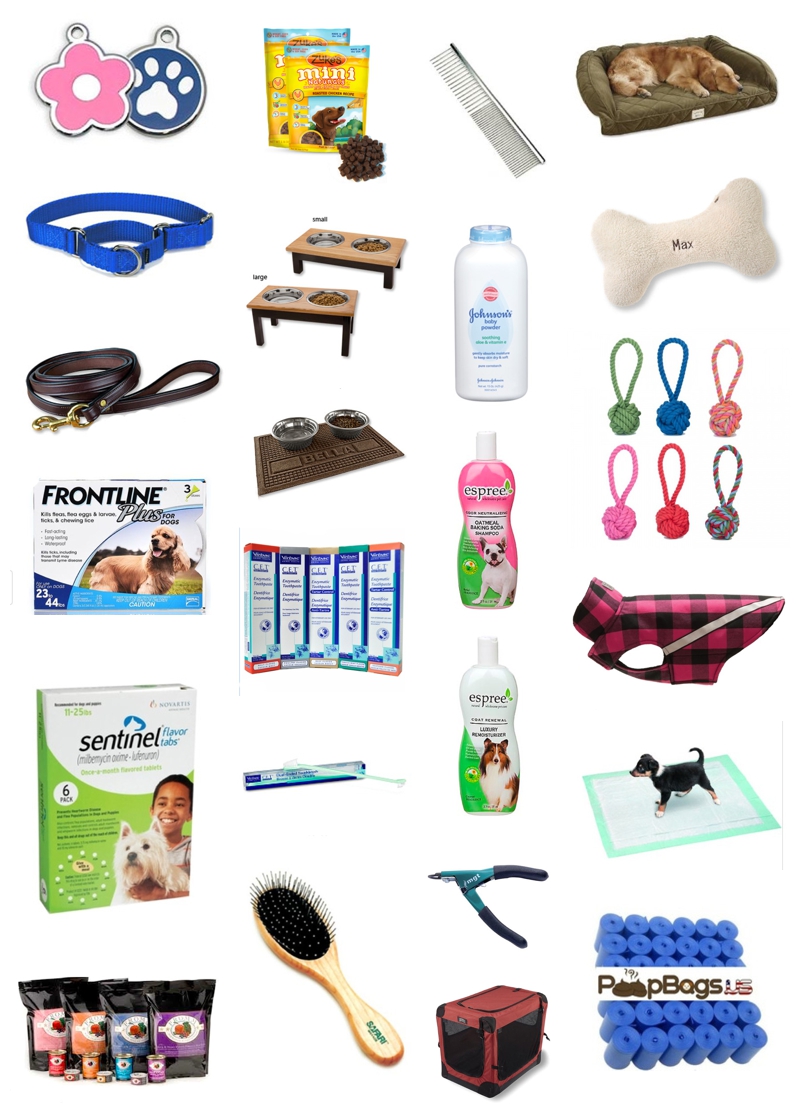
  1. I.D. Tag: It is prudent to have an identification tag for your rescue puppy that includes the puppy’s name; address; and telephone number.  This is for safe measure in addition to the microchipping.  We like these I.D. Tags.
  1. Collar: It is good to have a collar on hand if you know your rescue puppy’s collar size;  If not, you can measure and purchase a collar soon after your rescue puppy arrives.  We like the Premier martingale collar.
  1. Leash:  It is good to get a leash.  We avoid the retractable leashes.  We like this leash, which has held up well.
  1. Monthly Flea and Tick/Monthly Heartworm Prevention:  If you know your dog’s weight, you can order flea and tick prevention; and when you go to the vet, you can get a script for heartworm prevention.
  1. Food:  It is good to have a small bag of the rescue puppy’s current food.  Then, you can talk to your vet and decide whether another dog food is more appropriate and, if so, you can wean your rescue puppy off of his/her current food.  A high quality diet is always recommended.  We  like Fromm wet and dry dog food.
  1. Treats: It is good to have treats on hand.  Your rescue puppy is going through a transition, and having treats will help him/her feel more comfortable for being rewarded for the smallest things to help build confidence.  Plus, most dogs like treats!  We like these training treats.
  1. Feeder: Depending upon your rescue puppy’s size, it is good to get a feeder that is the right height for your rescue puppy so he/she is not bending over too far to eat.  We like this feeder and this custom feeder mat.
  1. Toothpaste/Toothbrush:  Brushing your rescue puppy’s teeth daily helps greatly to promote good oral hygiene.  We like this toothpaste and this toothbrush.
  1. Brush/Comb: It is a good idea to brush/comb your rescue puppy’s fur at least once a week, preventing matted fur.  We like this brush and this comb.
  1. Baby Powder:  Baby powder can come in handy to freshen up your rescue puppy, especially behind the ears, especially if he/she has longer fur.  We like this baby powder.
  1. Shampoo/Conditioner: If you decide to bathe your rescue puppy versus going to the groomer, it is a good idea to have dog shampoo and conditioner on hand for bathing.  We really like this shampoo and this conditioner.  If your dog has skin issues, it is best to speak to the vet for the appropriate shampoo and conditioner, etc.
  1. Nail Trimming: If you are going to trim your dog’s nails on a monthly basis, this is a good nail trimmer to use.  Otherwise, if you do not feel comfortable trimming your rescue puppy’s nails, you can have a groomer or your vet’s office take care of your rescue puppy’s nail trimming.
  1. Crate: Depending upon your rescue puppy, he/she might need a crate.  Some dogs need them, while others do not.  We really like this crate.
  1. Dog Bed: Most dogs like to lay on a dog bed, especially if it is not too hot.  We like these dog beds, as they are very durable and comfortable.  We also love this monogrammed dog pillow.
  1. Toys/Chew Toys: Most dogs like to have their own toys, especially if your rescue puppy is a chewer!  We really like these toys.
  1. Apparel: Depending upon your rescue puppy and the season, it is a good idea for your dog’s comfort to have a rain coat, sweater, fleece, or jacket.  We really like these coats.
  1. Poop and Pee Pads: Some rescue puppies are some house broken just yet.  These poop and pee pads come in handy for those accidents in the house.
  1. Poop Bags:  All dogs need poop bags!  We really like these poop bags.

Hopefully this list helps you get started in welcoming and getting your rescue puppy settled into his/her furever home!

Happy Wednesday!


welcoming new rescue puppy supplies


ASPCA: Four Ways to Help Animals During the Holidays

It is officially the Pawliday season!  The ASPCA requested that I help spread the word about how we can all help animals during this Holiday season.

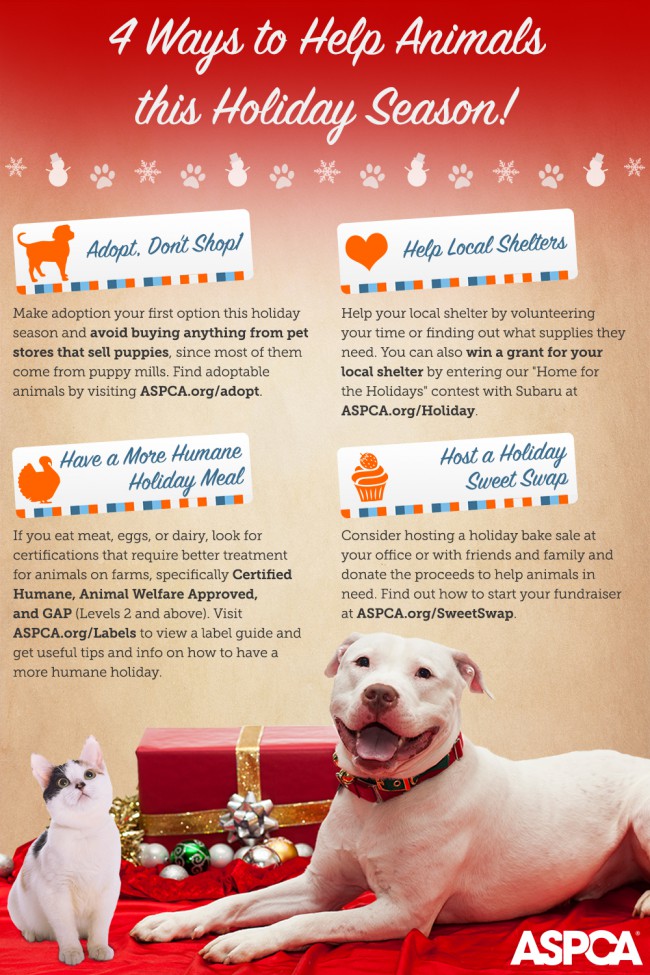
1. Adopt, Don’t Shop

Make adoption your first option this holiday season!  Avoid buying anything from pet stores that sell puppies because most of them come from puppy mills.  Search for local adoptable animals by visiting here.

2. Help Local Shelters

Help your local shelter by volunteering your time or finding out what supplies they need.  You can also win a grant for your local shelter by entering the ASPCA’s “Home for the Holidays” contest with the Dogist and Subaru.

3. Have a More Humane Holiday Meal

If you eat meat, eggs, or dairy, look for certifications that require better treatment for animals on farms, specifically Certified Humane, Animal Welfare Approved, and Global Animal Partnership (Levels 2 and above).  Visit here to view a label guide and get useful tips and info on how to have a more humane holiday.

4. Host a Holiday Sweet Swap

Consider hosting a holiday bake sale at your office or with friends and family and donate the proceeds to help animals in need.  Find out how to start your sweet swap here.


aspca holiday


The above image is courtesy of the ASPCA.

Interview with Mahny Djahanguiri, Doga Expert and Author

Interview with Mahny Djahanguiri, Doga Expert and Author

Partners


Recently, I had the great pleasure of interviewing Mahny Djahanguiri, Europe’s leading Doga expert and author of the recent book entitled, DOGA – Yoga for you and your dog.   Mahny resides and teaches yoga and Doga in London, England.  She has also appeared on a famous television show, Made in Chelsea, where, soon after, Doga received significant press.  According to Mahny, “I believe dogs are natural healers.  Doga is a symbiotic, organic bonding exercise for canine and human – the two go hand-in-hand or rather, hand-in-paw!”  Mahny also stated that, “Our dogs are so totally attached to us; therefore, whenever we change mood, body language, posture, and breath, for example, our dogs immediately feel that transformation on a metaphysical energetic level and transform with us.”  This is a fascinating interview, especially for those of you who are dog and yoga lovers!  Please visit Mahny Djahanguiri’s website to learn more about Doga.  (Further, you can view videos of Doga here.)


KATHERINE CARVER: What is Doga?

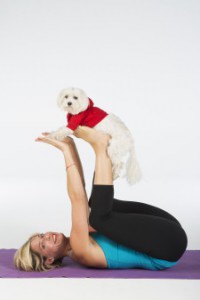
MAHNY DJAHANGUIRI: Doga is yoga for you and your dog, which applies the ancient tools and principles of yoga, deepening your “natural bond” with nature.  Doga is a symbiotic, organic yoga practice you can share with your dog, much like mummy and baby yoga.  The dog aids as a weight or, if heavier, aids as a yoga bolster.

It actually feels reassuring for both the human and the dog to have our dog sit on our lap, on our hip, or folding over a large dog whilst performing traditional yoga.

People often think I teach doggie yoga; however, it is impossible, and it is also extremely harmful to stretch or twist your dog.  Doga is human yoga that encourages each dog’s participation.


KATHERINE CARVER: What are the origins of Doga?

MAHNY DJAHANGUIRI: Doga was founded several years ago by a U.S. yoga teacher named Suzy Teitelmam.  She noticed whenever she was on her yoga mat, her poodles liked to join in.  She developed yoga poses that involves lifting her dogs into poses and using their weight as an extra challenge but also simultaneously creating a fun experience.
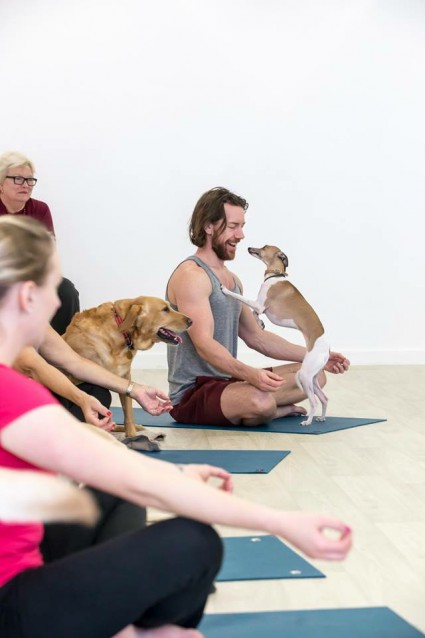
 

image4


KATHERINE CARVER: How does a dog actually practice Doga?

MAHNY DJAHANGUIRI: The dogs don’t actually do much – they don’t do human yoga poses – but they absorb our energy.  They don’t practice they just feel your vibration and energy freely without judgment.  So as we practice our yoga, they are invited to lie on our yoga mat while we dedicate our attention on our physical yoga practice.  When the time is right, you can try to incorporate your dog into your yoga practice.  Small dogs generally act as weights; and large dogs become a support – much like a yoga block.  Throughout the practice we focus on breathing and transferring that breath onto our dog.   Our dogs are so totally attached to us; therefore, whenever we change mood, body language, posture, and breath, for example, our dogs immediately feel that transformation on a metaphysical energetic level and transform with us.


KATHERINE CARVER: In your experience, do most dogs, of various sizes and breeds, participate and enjoy Doga?

MAHNY DJAHANGUIRI: All dogs are welcome in Doga.  And, surprisingly enough, it’s the larger size dogs that usually settle on the yoga mat first.  Smaller dogs often struggle with “separation anxiety” oftentimes the human is being overprotective due to the size of their dog – instead of allowing a small dog to act out a “large dog” attitude, i.e., not using leads.

So, I find that breeds such as Chihuahuas, Dachshunds, and Pomeranians are more unsettled as compared to other larger breeds such as Staffordshire Bull Terriers, Labradors, Terriers, and Pugs, for example.  It can take up to two Doga sessions to transform the human and the dog into a calm, safe, and relaxed state of being.

From my observations, dogs absolutely love and enjoy peace and tranquility.  A calm serene environment is where they can be lazy, begin stretching, and rolling over on their backs in a supine/surrender position.

Additionally, we apply touch, massage, breath control, and chanting on our dogs and they are extremely receptive to touch and sound vibration.
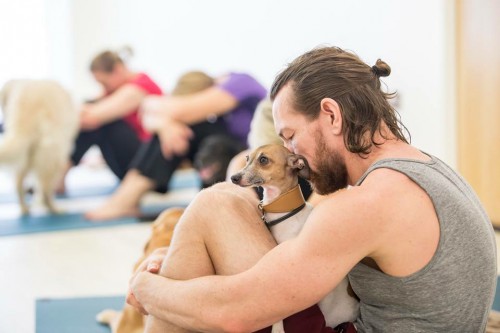
 

image7


KATHERINE CARVER: How did you discover and come to practice Doga?

MAHNY DJAHANGUIRI: I’ve been an ashtanga yoga practitioner and teacher for the past fifteen years.  Doga began while working as a yoga therapist at a children’s shelter for traumatized, neglected, and abused children.  My clients ranged in ages from three to fifteen years old.  At the children’s shelter, I witnessed everything I needed to see to learn about “attachment theory.”  These kids, due to their awful circumstances, were craving more attention than the average “healthy child.”   In the child’s mind, any attention was good even if it was abusive.  Their loyalty towards the parent/the abuser was heart wrenching.  (This reminded me so much of the dog mentality.)

At the children’s shelter, the children’s central nervous systems were totally out of whack, as they struggled each day to survive due to neglect, etc.  Furthermore, the children’s spine and brain couldn’t develop properly due to lack of care, food, health, and emotional well-being.  Their brains were accustomed to solely functioning on adrenaline.

In my work at the children’s shelter, I used intense yogic breathing to help soothe my central nervous system, which in effect, calmed the children’s nervous systems as well.  When the children became calm, I oftentimes incorporated massage, various breathing techniques, and sound vibration.

Doga evolved from the methods and techniques I had been applying during my tenure at the children’s shelter.  The children’s “triggers” were similar to dogs’ “triggers.”  It was all about survival and hierarchy of the pack.  There was always the “ring leader” or pack leader.  Once everyone found their place in the pack, things settled.  Slowly, I began to gain respect and trust of the children at the shelter and I became the leader of the gang though my own stillness, wisdom, and courage.  I gained respect, and the children all seemed to calm down and “copy” my breathing.  This same process happens in Doga, too.  It’s phenomenal.


KATHERINE CARVER: How has your life changed since practicing and teaching Doga?

MAHNY DJAHANGUIRI: I cannot imagine my life without my dogs and yoga.  To be able to combine the two and make a living from it, writing the first book about Doga, and becoming an expert and author of Doga, is a dream come true.  It was always my mission to work with “the innocent.”  It has become my mission to work with children and dogs applying yoga to help them restore faith in humanity.

I want to open a yoga center, hopefully in the United States, that provides yoga/Doga for rescue animals and children with emotional, neurological, and biophysical issues.  I’d like to explore how a rescue dog can potentially help a child with autism and vice versa.  Yoga will be among one of the tools I’d like to use as well as art, massage, and music therapy.  I believe dogs are natural healers.  Doga is a symbiotic, organic bonding exercise for canine and human – the two go hand-in-hand or rather hand-in-paw!


Partners


KATHERINE CARVER: How has you and Robbie’s (your dog/dogi) relationship changed and developed since practicing Doga together?

MAHNY DJAHANGUIRI:  Our relationship has changed.  Robbie, pictured above, copies and embraces everything I do.  He has become my working partner and my canine Freudian companion.   I miss him when I’m not around him.  We have such a trusting relationship, that I can take him wherever I go.

We work together on so many cases – from blind autistic clients to rescue dogs that are in the process of being rehoused, for example.  Robbie knows when it’s time to go to work.  Sometimes I feel a little guilty because I think I might overwork him.

In our open Doga classes, I let Robbie have fun; and I try to give him as much playtime as possible when we’re out walking together.  He loves jogging with me.  In fact, he’s such a fast runner he out takes me.  I think Robbie appreciates the fact that I get him involved in my work.  We’ve had many television performances and demonstrations together.  The traveling seems to unsettle him; and Robbie does not like the “performance” and “show time” aspects of giving Doga demonstrations to large audiences.  I’m aware that he is a dog — and not a prop.  Therefore, I never want my dog to become a show dog.   I believe it’s cruel to take advantage of our dogs for superficial purposes.


KATHERINE CARVER: What are some positive benefits for humans practicing Doga?

MAHNY DJAHANGUIRI: Doga is a bonding experience.  Having your dog in your yoga practice helps you deepen the natural organic relationship that already exists inside you – similar to mummy and baby yoga.   You bond with the beloved and feel relaxed and at ease.  This practice helps with treating anxiety disorders, depression, panic attacks, asthma, high blood pressure, heart diseases, allergies, and all other stress related diseases, etc.  Doga even helps people undergoing chemotherapy.


022-023_HIW_036


KATHERINE CARVER: What are some positive benefits for dogs practicing Doga?

MAHNY DJAHANGUIRI: I can’t stress how important Doga is for both the human and canine.  Doga is a ground breaking, revolutionary yoga therapy.  Doga decreases stress levels in canines and helps with “attachment issues.”  Doga also helps with each dog’s sleep and digestion since Doga replenishes the parasympathetic nervous system in dogs as well.


KATHERINE CARVER: What is most rewarding about practicing and teaching Doga? 

MAHNY DJAHANGUIRI: To see people smile or cry at the end of a session – kissing their dogs and talking to them.  I also enjoy observing all of the dogs lying fast asleep on our yoga mats.  This all brings a tear to my and Robbie’s eyes.


KATHERINE CARVER: What artists/persons inspire your Doga work?

MAHNY DJAHANGUIRI: All of my yoga teachers from past and present are all inspirations to me.  To whom I’m most humbly grateful towards is my Guru, the late Shri K Pathabi Jois; Richard Freeman; Tim Miller; Dalai Lama; and my mother.  Also, Michael Jackson’s music inspires me to do good in this world.  I also am influenced and inspired by Mozart, Bach, Chopin, Arcade Fire, James Bay, and Derek Paravacini.  There are so many artists that inspire me to carry on.


doga press


KATHERINE CARVER: What does “being creative” mean to you?

MAHNY DJAHANGUIRI: To me, “being creative” means connecting with the divine or divinity and allowing the source energy to flow through you without resistance.


KATHERINE CARVER: What was the impetus for writing your recent book, Doga – Yoga for You and Your dog?

MAHNY DJAHANGUIRI: My dog and I were on a  famous television show entitled, Made in Chelsea.  Although we were only in it for 30 seconds, 6 million people viewed it.   It received hype and we had features in all the main British tabloid press.  My editor, Trevor Davies, called me one day after our Made In Chelsea television appearance and he asked me, “how would you like to write a book about Doga?”  I remember I was standing in the middle of Robbie’s favorite park standing next to my mum.  I then turned to mum and said, “Mum – they just offered me a book proposal!”  I was ecstatic.   It meant the world to me having a very well-known book publisher wanting to take the whole ‘Doga thing’ seriously.  After fifteen years of teaching yoga, I finally received some professional recognition, which felt very rewarding.
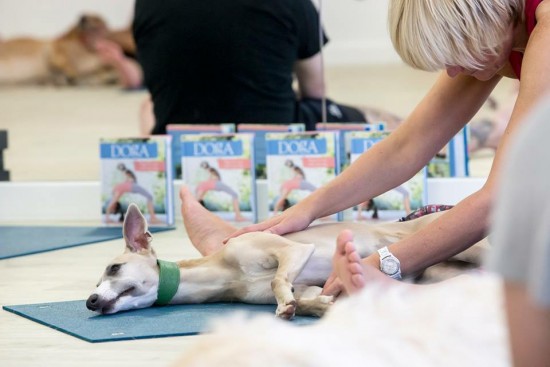
 

image6


KATHERINE CARVER: Can you tell us more about your recent book, Doga – Yoga for You and Your dog?

MAHNY DJAHANGUIRI: Doga – Yoga for You and Your dog contains twelve chapters, and it is a yoga book for humans who want to involve their dog into their yoga practice.  The first two chapters describe the relationship between the yogi and dogi and how to put the yoga into the Doga.   It covers the ethical and moral codes of conduct based on the 8 limbs of ashtanga yoga founded by Patanjali who lived in 800 B.C.  

The third chapter discusses breathing, followed by over one hundred pages of individual Doga poses to vinyasa flow yoga sequences.  The poses gradually become more challenging for the practitioner, not the dog.  Each Doga pose is accompanied by text outlining the benefit for the human and the dog.  The remaining chapters are dedicated to canine massage and Vedic chanting that helps quiets the human and the dog’s parasympathetic nervous system.


DOGA BOOK POSTER


KATHERINE CARVER: Do you think that Doga classes will become even more prevalent in the near future?  There appears to be quite a large Doga following presently.

MAHNY DJAHANGUIRI: Indeed!  I think there will soon be a Doga pandemic “outbreak” worldwide.  I’ve had hundreds of yoga teachers, vets, trainers, and behaviorist asking when I will begin the Dogsmahny TM teachers training.  I’m happy to say the first teachers training will begin next March 2016 in London.

I want to see Doga being incorporated in every therapeutic aspect — incorporated into schools, shelters, clinics, and hospitals, etc.  We need to learn so much more about the animal kingdom and what connects us to nature.

I’m also delighted to announce my first YouTube channel Dogamahny which you can now subscribe to.  So you now can practice Doga at home with Robbie and I, especially if you live outside of the London area.


KATHERINE CARVER: How can people view and purchase your book and learn more about Doga and your work?

MAHNY DJAHANGUIRI: My YouTube Channel, Dogamahny Yoga for You and Your Dog, launched recently on November 2, 2015.

You can purchase my book, Doga – Yoga for You and Your dog, from Amazon or visit your local bookstore.  My book is available at Barnes & Noble, Waterstones, WHSmith, and many other bookstores throughout the world.  The U.S. and Canadian book release was June 5, 2015, Hamlyn.

Hopefully well be touring the United States within the next year giving demos and talks and book signing events.

All images contained in this interview are courtesy of Mahny DjahanguiriOctopus Publishing; Brite Space Partners; and Sweat Studios.

You can read additional interviews here.
Happy Halloween!

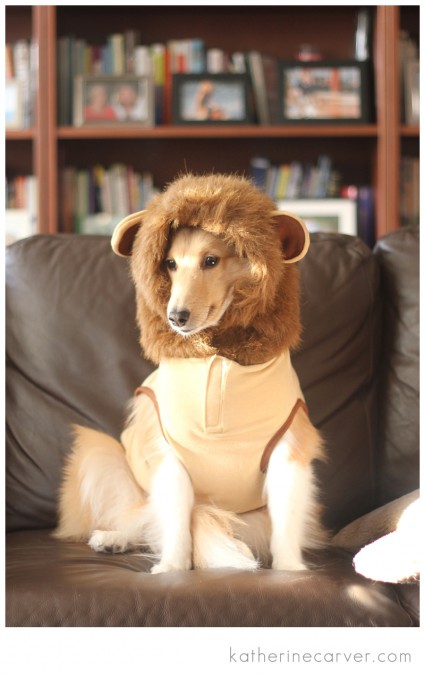
Happy (almost) Halloween!  I cannot believe how quickly the time is flying by that it is already time for Halloween!  Victory was a butterfly last year and a ladybug the year before, and, this year, she is a little lioness.  She looks adorable in her costume, shown below.  The color of Victory’s fur coordinates well with this costume!  (Looking back, via the links above, you can see how much Victory has physically changed and blossomed from one Halloween to the next).  Tomorrow night, she is going to help pass out candy to the trick-or-treaters and show off her costume along with her carved pumpkin masterpieces, with the assistance of Doug, of course!  So far, the weather looks good on Halloween!

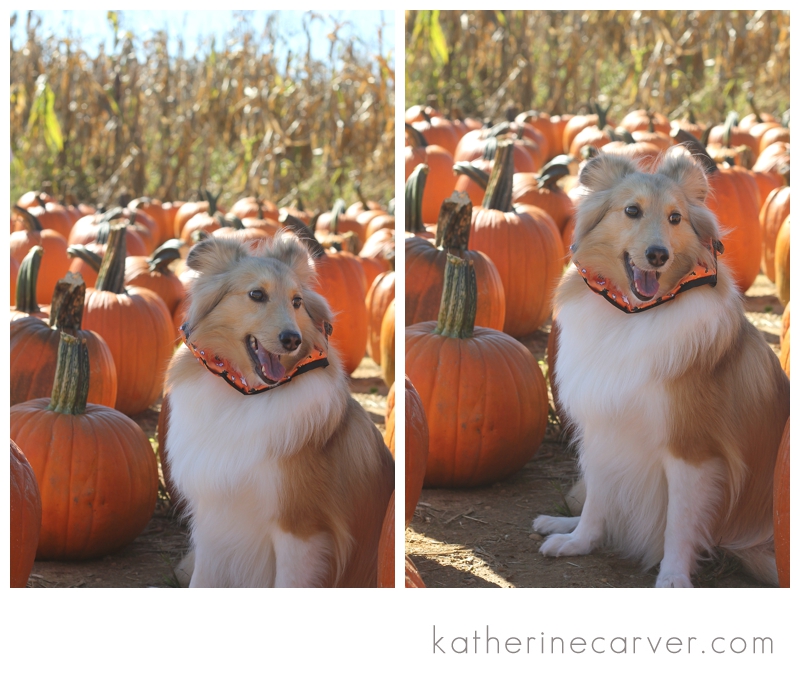
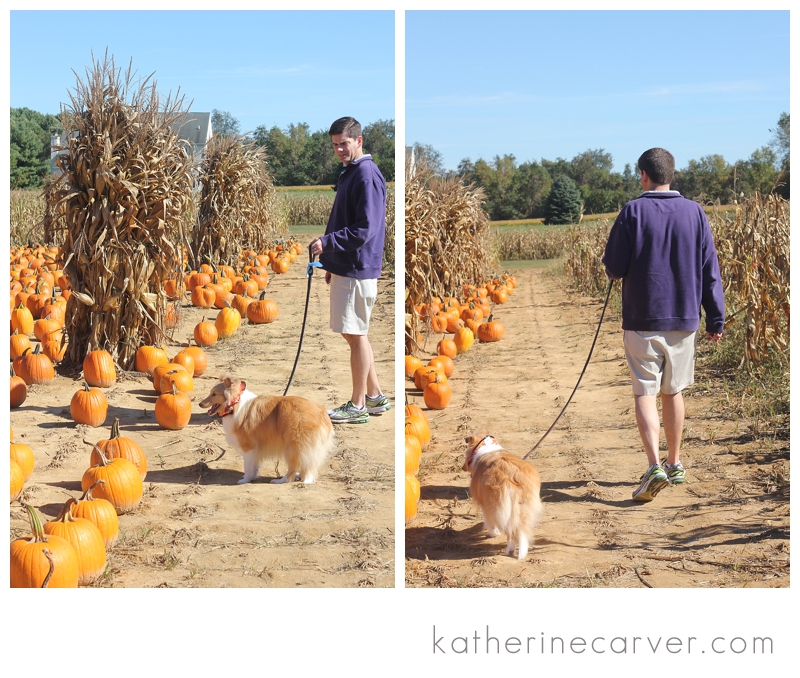
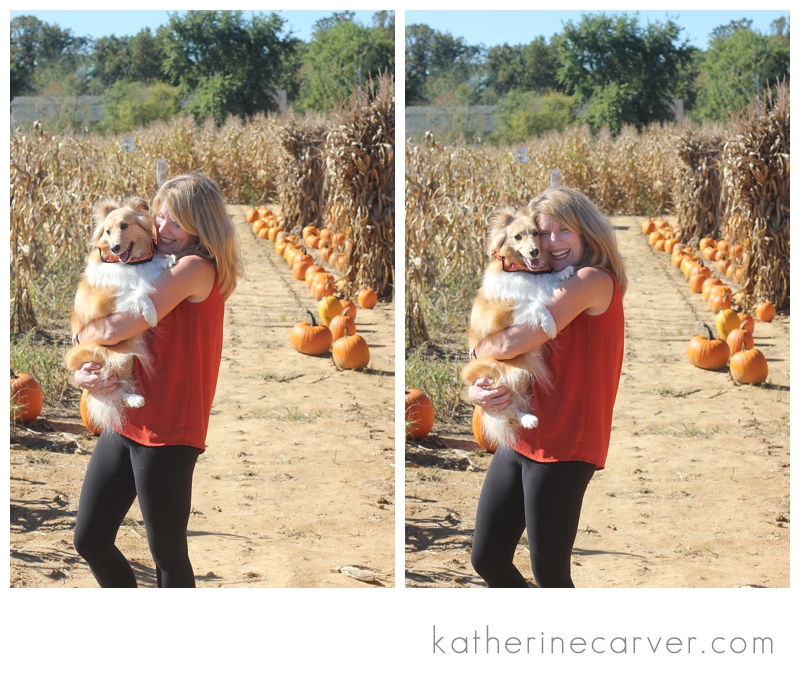
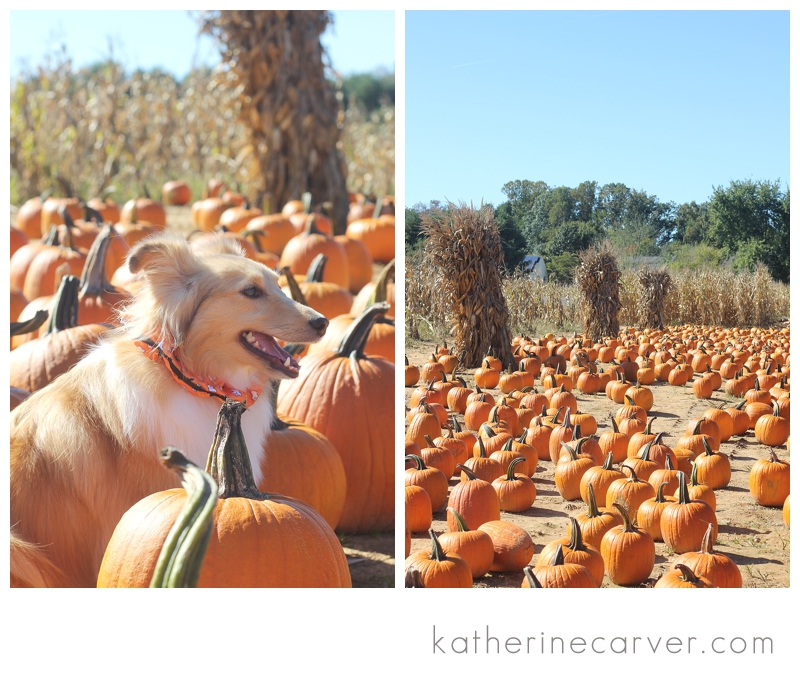
Earlier this month at the time of Victory’s birthday, we took Victory to the pumpkin patch, an annual tradition!  She had a great time!  We still could only find one pumpkin patch located in Delaware, after looking in Maryland, Pennsylvania, and Delaware, that would permit a furry family member to come along!  We had fun, Victory had fun, and the weather was just gorgeous!  A few images from our annual trip to the pumpkin patch are shown below.

Doug is carving our pumpkins this year for Halloween so stay tuned on Instagram!  Enjoy the photos below!  Also, here are links to pumpkins carved by Doug last year, two years ago year and the three years ago!

Happy Friday and Happy Halloween!


IMG_7323 2


IMG_8113 2


IMG_8189 2


IMG_8337


IMG_8382 2


IMG_8577 2

Doga: Dog and Human Yoga

I recently learned about doga, dog and human yoga, a new movement.  You can now invite your furry family member to your yoga mat!  How had I not heard of this practice?!  According to Mahny Djahanguiri, “When you practice present-moment awareness, or mindfulness, as you do during yoga, you enhance your relationships . . . with humans, plants, and animals.” After all, our dogs are pros at the down dog!


Doga 2


There are many benefits of doga.  You get to enjoy an activity with your furry family member (all sizes and breeds are welcome to participate); both humans and furry family members will benefit from the calming effect of doga, which aids in helping with stress, anxiety, sleep, and digestion; both humans and furry family members get an opportunity to socialize with others who share a similar interest; and it is a fun and enjoyable practice for all!

What a neat way to bond and connect with your furry family member!  Perhaps I can find a class nearby, and see if Victory would participate!

You can learn more about doga in the book titled, Doga –Yoga for you and your dog by Many Djahanguiri.

*Please stay tuned for a forthcoming interview in early November appearing on Biscuit’s Space with Many Djahanguiri.


DOGA BOOK POSTER


Additionally, you can view the video below to learn more!


Additionally, you can view the video below to learn more!


The images contained in this blog post are courtesy of Mahny Djahanguiri and Octopus Publishing.

#BigLove: Adopt A Shelter Dog Month — ASPCA

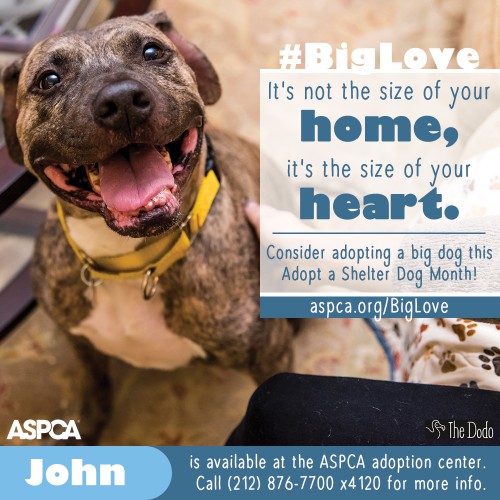
It’s Adopt a Shelter Dog Month and the ASPCA requested that I help spread the word about this important cause!  Large dogs can oftentimes be overlooked because potential adopters think they require a spacious home and a big backyard.  However, when it comes to adoption, what matters most isn’t the size of your home – it’s the size of your heart.

According to the ASPCA, to help bring attention and awareness to canine adoptables during this special month, the ASPCA is encouraging everyone this year to consider adopting a big dog via the ASPCA’s #BigLove campaign.

During the remainder of October 2015, you can tell the ASPCA why you believe BIG dogs rock and you’ll be automatically entered to win a pair of ASPCA Party Pet Pillows from Pottery Barn Teen!  And if you’re a proud parent of a bigger-sized dog, please share his/her photo(s) on social media using the hashtag #BigLove and tagging @ASPCA.  The ASPCA will share a few of its favorites on its social media!

*Biscuit’s Space supports dog rescue and adoption.  Please remember that there are a great number of shelter and rescue dogs who are constantly looking for furever homes, and these dogs would be most grateful to receive a furever home via adoption.  Dog rescue is very rewarding not only to the furry family member, but it is equally rewarding for his/her human companion.

Happy Monday!


aspca adoption


The above image is courtesy of the ASPCA.

Victory: A Birthday Celebration — 4 years!

This past Monday, October 12, 2015, marked two years since we adopted our dear little Victory!  We decided to make October 12 Victory’s birthday — the day we went to Michigan and adopted our sweet fur girl.  (We also took the same approach with Biscuit’s birthday.)  Victory was likely one to two years old when we adopted her, per the Michigan Sheltie Rescue.

This year, for Victory’s birthday, we did a pink themed birthday!  (Last year, we did a rainbow themed birthday for Victory!)  We purchased some fun pink themed decorations, candles, balloons, party hat, and new pink sweater for Victory in honor of her birthday!  Victory also enjoyed some pork chops and chicken in lieu of birthday cake, which she gobbled down in no time flat!  Victory looked absolutely adorable on her birthday!  She had a fun birthday, a fun long weekend, and she enjoyed being over fed along with a birthday dinner in downtown Baltimore at one of our favorite pizza places!  Most of all, I am grateful for Victory’s patience and cooperation.  I believe Victory and I have an unspoken partnership when it comes to the camera and photographing her.  Victory enjoys being photographed and she makes my job so much easier due to her participation, patience, and cooperation!  We are so lucky to have our little Victory!

For Victory’s birthday, we gave her a new pink sweater; a new Orvis coat; and a new outdoor Orvis bed for our deck — she now has two Orvis outdoor beds (and three Orvis indoor beds) for our two outdoor spaces!  She loves to lounge outside on the deck!  Additionally, her Grandma and Grandpa in Michigan (my parents) gave her a card and a gift card to the pet store!  Victory can now pick out some new toys and treats, etc.!  Thank you!  Victory loved all of her gifts!  Below are some fun images of Victory on her birthday!  Enjoy!  (You can view Victory’s birthday from last year here!)  Happy Wednesday!


IMG_7561 2


IMG_7925 2


IMG_7721 3

Dog: The Universal Language

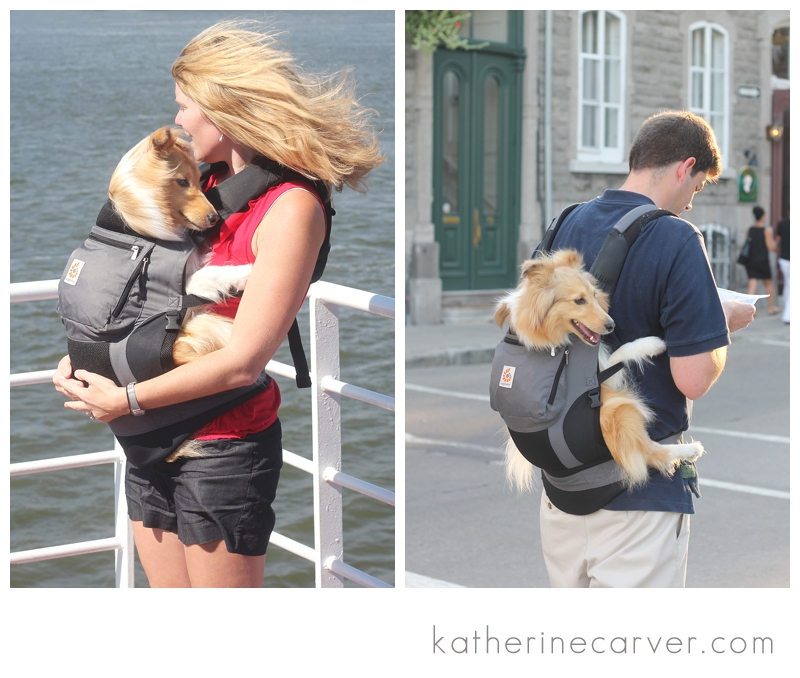
After visiting Quebec City, a French-speaking territory, during our recent vacation, we realized that no matter what language someone speaks, everyone can relate to a dog/chien!  Many people, total strangers, came up to us to meet Victory!  Even though we do not speak French (Doug knows more French than I do), everyone can relate to a furry family member!  Many people commented to us that they loved the Ergo Performance Carrier and others wanted to take a photo of Victory in her Ergo Carrier — and they could not believe that she liked her Ergo Carrier!  For those whom we could not understand what he/she was saying to us in French, we could understand “Beau Chien!”

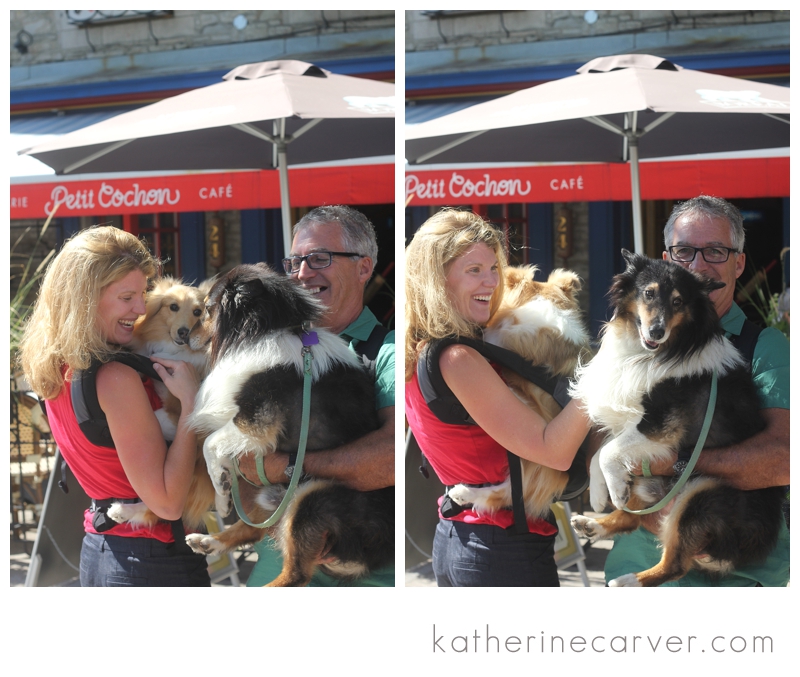
We rarely meet other shelties while we are out and about with Victory.  However, during our first visit to Quebec City, we met a native Quebec sheltie named, Choco, a male, tri-colored sheltie, shown below!  Victory and Choco met giving each other some sniffs and kisses, and the Ergo Carrier came in handy — otherwise, Victory would have been quite overwhelmed!  Choco’s parents were so happy to meet Victory, even though we could not understand most of what they were saying — we could discern their excitement and enthusiasm to meet our fur girl!

Additionally, shown below, is a very short iphone video of our fluffy girl in motion during our vacation!

Happy Wednesday!


IMG_5948 2


IMG_5983 2

Disaster Preparation for Pet Parents

Happy National Dog Day!  The ASPCA recently contacted me and asked me to share information related to disaster preparedness for pet parents — an important and often overlooked topic.

It’s been 10 years since Hurricane Katrina.  Are your pets safer?  Just like children, pet parents need to prepare for their furry family members prior to a natural disaster.

August 23, 2015, marked the 10 year anniversary of Hurricane Katrina, which, in addition to killing nearly 2,000 people, left 600,000 pets deceased or homeless.  Almost half (44%) of the people who refused to evacuate during Hurricane Katrina said they did so because they felt they could not bring their animals with them.  Despite this tragedy, recent poll shows that 35% of pet owners still do not have plans in place for the next big storm.

The ASPCA is encouraging pet parents to pledge to prepare for their pets in the event of a natural disaster.  A helpful guide is shown in the ASPCA’s infographic below.

*Act today to make plans to protect your beloved furry family members from a natural disaster.


aspca_6-ep (2)

The above image is courtesy of the ASPCA.

Sashi is Back…

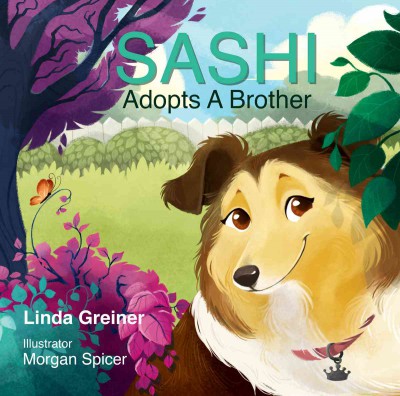
Sashi is back!  Earlier this year, I wrote about the book entitled, Sashi, the Scared Little Sheltie!  The author, Linda Greiner, recently contacted me to let me know her new book with illustrator, Morgan Spicer, entitled, Sahsi Adopts a Brother, a continuation in the Sashi Series, is available for pre-order!  A portion of the sales are donated to help Shetland Sheepdogs in the New Jersey area.  We love shelties and we are strong proponents of dog rescue, and we have already ordered ourselves a signed copy of this new book!

Here is an excerpt from the author:

“Sashi knows what it’s like to be unwanted.  She was a rescue sheltie when Anna and her mother adopted her.  After a few years, Sashi’s humans decide to foster rescues until they find permanent homes.  Well-trained and confident in her place among her humans, Sashi makes sure the fosters know that she’s the princess of the house.  Some of the fosters teach her fun tricks, like climbing snowdrifts.  Others—like the one who chases a laser light toy—just seem strange.  But none challenges her ability to rule her home as much as one oversized and rambunctious sheltie who had to leave his original home due to his bad behavior.”


SashiAdoptsABrother_Cover_with_words-small


The above image is courtesy of Linda Greiner.

You can view a trailer of the book, Sahsi Adopts a Brotherhere.