Skip to content

Posts from the ‘Dog Related Information’ Category

Good Read: Healing Books After Loss

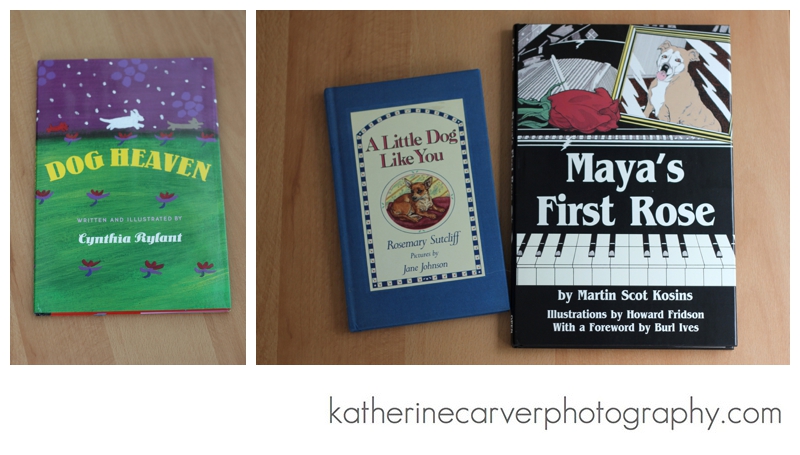
A few weeks ago, I wrote about some special books concerning our tremendous loss of Biscuit.  Well, I recently finished reading all three books: (1) Dog Heavenby Cynthia Rylant; (2) Mayas First Rose by Martin S. Kosins; and (3) Little Dog Like You by Rosemary Sutcliff.  All three of these books were really helpful, and I recommend them all.

I greatly enjoyed Dog Heavenby Cynthia Rylant.  It is a wonderful book that is  also wonderfully illustrated.  Here is one of my favorite passages from the book, Dog Heaven, ”Dogs in Dog Heaven have almost always belonged to somebody on Earth and, of course, the gods remember this.  Heaven is full of memories.  So sometimes an angel will walk a dog back to Earth for a little visit and quietly, invisibly, the dog will sniff about his old backyard, will investigate the cat next door, will follow the child to school, will sit on the front porch and wait for the mail.  When he is satisfied that all is well, the dog will return to Heaven with the angel.”  I hope that Biscuit will come back and “visit” us.

I also greatly enjoyed Mayas First Rose by Martin S. Kosins.  This book illustrated the wonderful bond between man and dog.  This story reminded me so very much of our relationship with Biscuit, which was like no other.  We would do anything to help Biscuit as Martin did for Maya.  This story brought tears to my eyes, but reminded me that we are not alone in our strong love for our furry family members.  I highly recommend this book, and this author is from my home state, Michigan.

I also loved the children’s book entitled, Little Dog Like You by Rosemary Sutcliff.  In this book, sadly, Pippin, a little Chihuahua, passes away.  What is so moving about this story is that Pippin finds his way back to his Mom in this touching story.  I sure hope that Biscuit will come back to us in some form.

We recently had a special ceremony to honor our little Biscuit whom we miss very much.


IMG_9248 2

Featured: Pets Blog, The Magazine for Pet Lovers

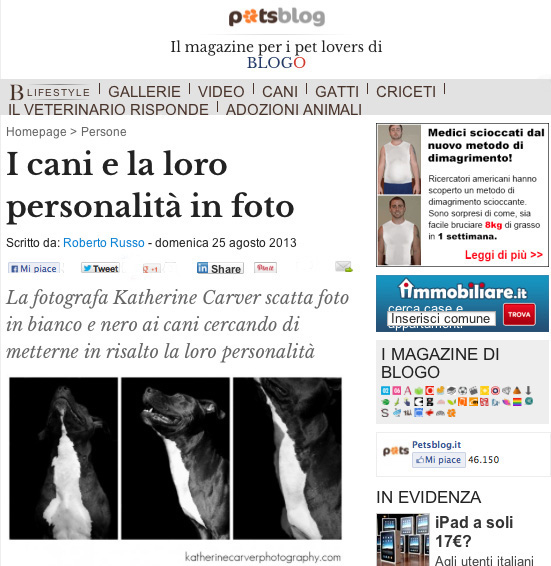
I was incredibly honored when Roberto Russo, a writer, from Petsblog, who featured my photographs from my black and white series.  I am very grateful to have a feature article in Petsblog discussing my photography and also sharing my images.  Petsblog is based in Milan, Italy and this online magazine is dedicated to the world of pet animals.  You can read the entire featured article here.  (The English translation is displayed immediately below.)

A big thank you to Roberto Russo, Writer, Petsblog!


The Dogs and Their Personality in Photographs

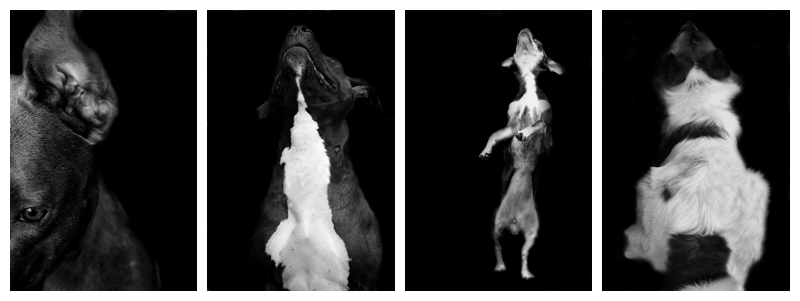
The photographer Katherine Carver takes photographs in black and white of dogs trying to highlight their personality.

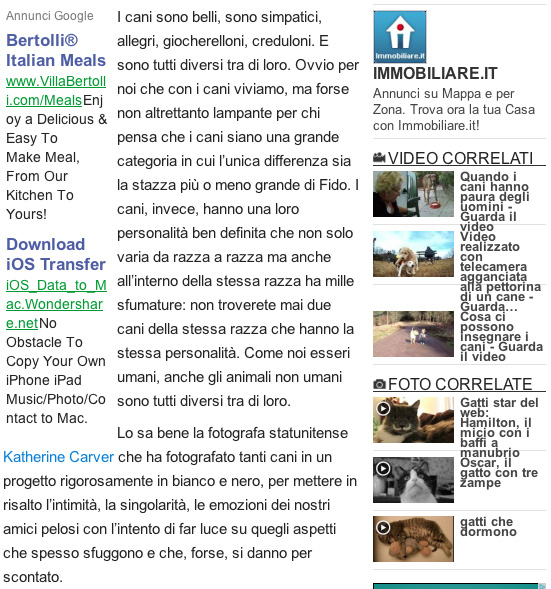
Dogs are cute, they are nice, cheerful, playful, and gullible.  And they are all different from each other.  Obvious to us that we live with dogs, but perhaps not so obvious for those who think that dogs are a big category in which the only difference is more or less the tonnage of Fido.  The dogs, however, have their own well defined personality that not only varies from breed to breed, but even within the same race in a thousand shades — you will never find two dogs of the same breed that have the same personality.  Like us humans, even non-human animals are all different from each other.

She knows well the American photographer, Katherine Carver, who photographed many dogs in a project strictly in black and white to emphasize the intimacy, the singularity, and the emotions of our furry friends with the intention of shedding light on those aspects that often escape us and that, perhaps, you take for granted.

It all started when Katherine Carver and her husband adopted Biscuit.  Sharing life with this dog, has meant that Katherine always went around with her camera to capture the special moments in the life of her furry friend.  And this commitment to tell the stories of dogs through this medium of photography, Katherine Carver continues to carry it forward even not that her Biscuit went to the Rainbow Bridge.  So Katherine continues to tell stories of dogs everywhere, highlighting the personality of each of them.


Pets Blog 1

Pets Blog 2

Pets Blog 3


Honoring Biscuit: A POWA Ceremony for Biscuit

This past weekend, on August 25, 2013, the Kadampa Meditation Center of Maryland (“the Center”), had a POWA Ceremony for Biscuit, which Doug and I attended.  (I have participated in meditation classes and retreats with the Center).  The Buddhist nuns and monks at the Center followed Biscuit’s story, and they were touched by Biscuit’s story as the Buddhist love and honor all living beings  — the Buddhists believe animals and humans are equal.

This POWA Ceremony is the practice of transference of consciousness of the deceased.  The Buddhist believe that through doing a POWA Ceremony with faith, compassion, and concentration we can transfer the consciousness of those recently deceased to a higher rebirth or to the Pure Land of a Buddha.  If living beings have the opportunity to take rebirth in a Buddha’s Pure Land they will attain permanent liberation from suffering and experience pure and everlasting happiness.  Prayers were made to Buddha Vajrasattva on behalf of Biscuit, shown below.

The POWA Ceremony was very nice, and it consisted of prayers to help Biscuit transition into his next life.  In addition to bringing photographs of Biscuit, we also brought offerings to this Ceremony — flowers, cookies, and a Chick-Fil-A ornament to represent Biscuit’s favorite vanilla soft-serve ice cream!  The Buddhist believe that rebirths take place approximately forty-nine days after death.  As it happened to be, August 25, 2013, was exactly forty-nine days after Biscuit passed away.  We hope that Biscuit is having a grand time running and playing in a body free of sickness and pain; and we are hopeful that he is watching over us each day and we hope that he will appear to us as emanations.  We know that Biscuit will send us the “right” sheltie friend.

A few photographs are shown below of this special POWA Ceremony in honor of our little Biscuit, whom we miss dearly.  We would like to thank Kelsang Kalden for helping to organize this special Ceremony for Biscuit; and we also would like to thank Gen Kelsang Chogden for performing this POWA Ceremony for Biscuit.


IMG_0542 2

Featured: Click Blog, The Photography Magazine

I was incredibly honored when Simona Marani, a writer, from ClickBlog recently contacted me because she wanted to feature my photographs from my black and white series.  I am very grateful to have a feature article in ClickBlog discussing my photography and also sharing my images.  ClickBlog is based in Milan, Italy and this online magazine highlights photographers and current events in the world of photography.  You can read the entire featured article here.  (The English translation is displayed immediately below.)

A big thank you to Simona Marani, Writer, ClickBlog!


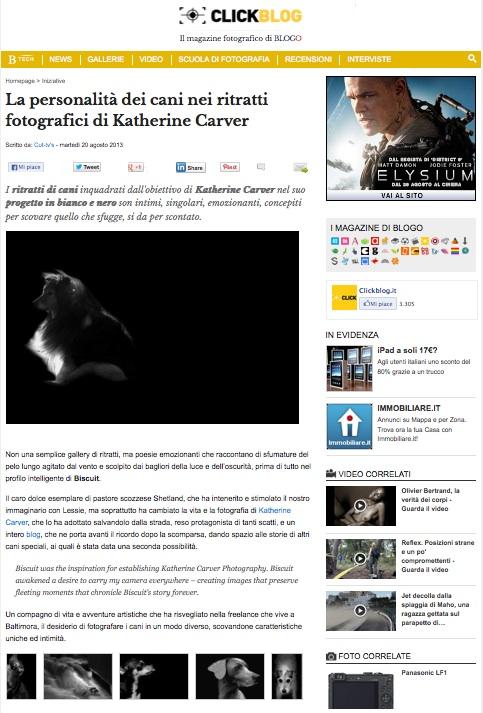
The Personality of Dogs in Photographic Portraits by Katherine Carver

The portraits of dogs by Katherine Carver are intimate, unique, exciting, and designed to ferret out what escapes us and is taken for granted.

Katherine Carver’s images are not just a gallery of portraits, but poems that tell of exciting shades of long hair fluttering in the wind and carved by the flashes of light and darkness.

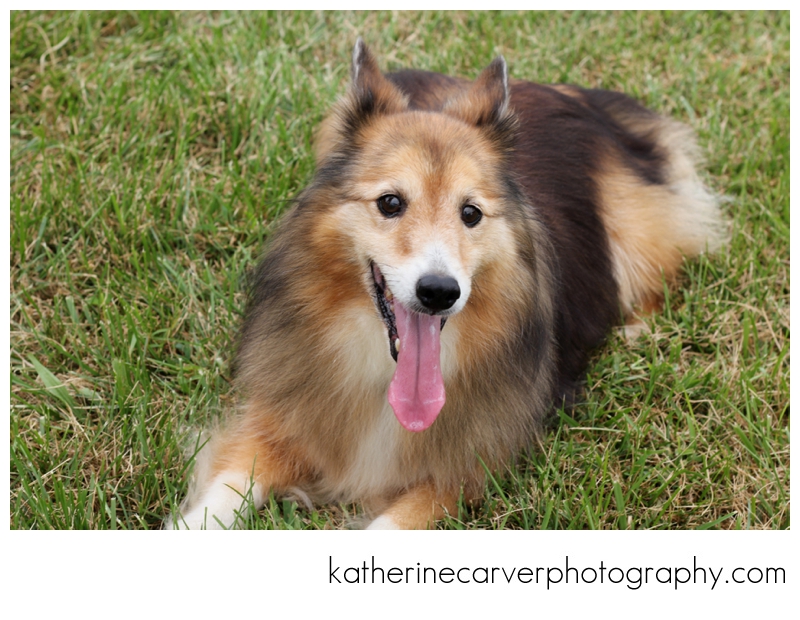
Biscuit, shown above, a dear sweet Shetland Sheepdog, who has touched and stimulated our imagination has changed my life and photography by Katherine Carver, who adopted Biscuit by freeing him from the street.  Biscuit has become the protagonist of many photography shots, and an entire blog, which carries the memory after the disappearance, giving space to the stories of other special dogs who have been given a second chance.

Biscuit was the inspiration for establishing Katherine Carver Photography. Biscuit awakened a desire to carry my camera everywhere – creating images that preserve fleeting moments that chronicle Biscuit’s story forever.

Biscuit, a life partner, awakened artistic adventures for Katherine Carver who lives in Maryland, specifically her desire to photograph the dogs in a different way – utilizing unique features of each dog thereby creating unique and intimate photographs.

I am the happiest behind my camera creating photographs and recording another realm that would otherwise remain unseen.  I believe those who hire me are actively searching for a customized and alternative fine art documentary approach.  I work on location in a documentary and unobtrusive manner, creating compelling, story-telling photographs that go beyond the predictable and scripted images.

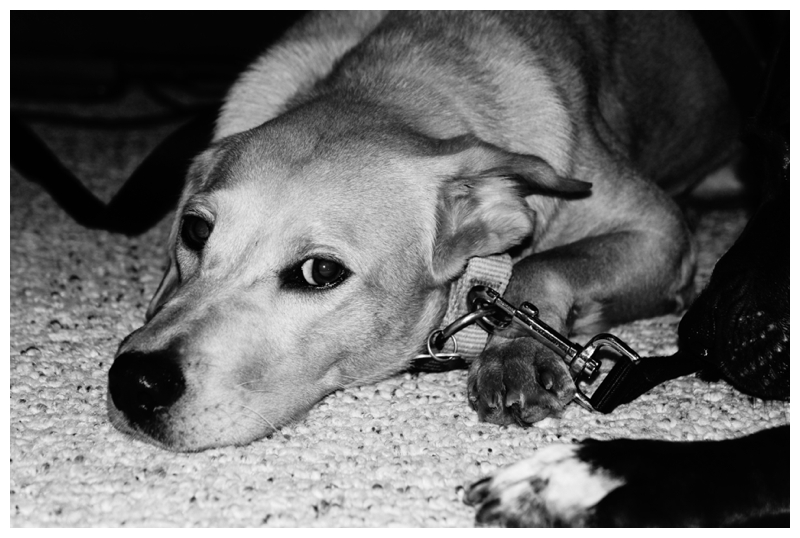
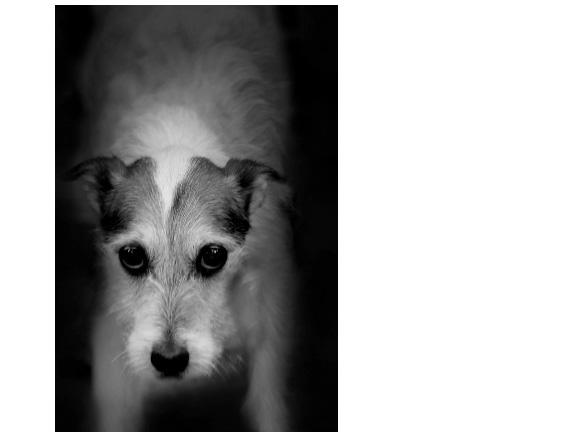
Portraits in black and white, dogs of different breeds, sizes, and stories, each with unique personalities and characteristics, such as the patch of white hair in the black coat of Jax, the beautiful stray dog rescued by Jen from the Baltimore County Animal Shelter, along with many other dogs that come from animal shelters.  You can peek into this small gallery with your eyes containing profiles to contemplate and to recognize emotions and memories to awaken a host of dormant consciences.


Click Blog Screen Shot 1

Blog Click Screen Shot 2

Click Blog Screen Shot 3

Interview with Jennifer Schiazza — Thoughts on Dog Fostering

Interview with Jennifer Schiazza — Thoughts on Dog Fostering

Recently, I had the opportunity and pleasure of interviewing Jennifer Schiazza, a foster dog parent, living in Baltimore, Maryland.  Jen and her husband have fostered many dogs and she is an ardent supporter of dog fostering and dog rescue, which saves dogs’ lives.  Jen and her husband predominately foster pit bulls in need of furever homes.  Additionally,  Jen, a woman after my own heart, writes a blog about her adventures in dog fostering, which is narrated by Jax!  You can follow Jen’s blog here!


KATHERINE CARVER: How did your adventure in dog fostering begin?

JENNIFER SCHIAZZA: About a year after adopting our dog, Jax, my husband and I thought about adopting a second dog, but we weren’t 100% ready to make the commitment.  I heard about fostering through some acquaintances on Facebook and thought it would let us test the waters with Jax and see how he would take to a second dog in the house.  It would also help us determine how adopting another dog would impact our lives.

I researched some Baltimore-area rescues and found a few that seemed like a good match.  I submitted an application to Dogs XL Rescue and they contacted me to go over their foster program, conducted a home visit and verified with my vet that Jax is kept up-to-date on his vaccines.   Before I knew it, they were setting me up with my first foster, a Chesapeake Retriever named Cinnamon, pictured immediately below.

Cinnamon


KATHERINE CARVER: How many dogs have you fostered?

JENNIFER SCHIAZZA: We just had the pleasure of seeing our sixth foster dog go to her forever home.  (Photographs of our foster dogs are shown throughout this blog post).  Some dogs were with us for as short as three weeks, while a few of our fosters were with us for about four months.  


KATHERINE CARVER: What dog rescue organizations do you work with in relation to dog fostering?

JENNIFER SCHIAZZA: Our first two fosters were for Dogs XL Rescue.  They focus on saving larger dogs because they are usually the first dogs to be put down when shelters run out of space since they cost more to vet and feed than smaller dogs.  Dogs XL Rescue pulls dogs from all over the country, allowing them to save a wider variety of dogs than if they pulled from local shelters.  

After our second Dogs XL Rescue foster, we transferred our fostering efforts to Jasmine’s House, a non-profit pit bull rescue.  Because the number of families willing to take in pit bulls is relatively small compared to the number of families willing to foster other breeds, we switched rescues in honor of Jax, who is a pit bull.


KATHERINE CARVER: Why do you think dog fostering is important?

JENNIFER SCHIAZZA: Millions of dogs are killed in shelters every year because of overpopulation.  I know there is no way to save them all, but every foster we take in means a the rescue can save one more life.  I love seeing foster families with young children and think their children are so lucky to learn valuable lessons fostering teaches, like compassion and selflessness at such a young age.  

 Josie 1


KATHERINE CARVER: In your experience, what does dog fostering entail?

JENNIFER SCHIAZZA: Since the rescues provide crates, vet care, monthly heartworm, flea and tick preventatives, food and boarding if you need to go out of town, there is no financial commitment with fostering.  There is a minimal time commitment like putting together an extra bowl of food twice a day, an occasional vet visit and optional training sessions that not only help the dogs, but taught me how to handle dogs.

A foster parent must have a willingness to learn.  I didn’t know much about training dogs when I adopted Jax.  Heck, I didn’t even know how to find a good trainer.  I’ve had a lot of support from the rescues and other volunteers.  I read articles and ask questions.  I’m always learning something new.  A sense of humor doesn’t hurt either.


KATHERINE CARVER: What dog fostering experience moved or inspired you the most?

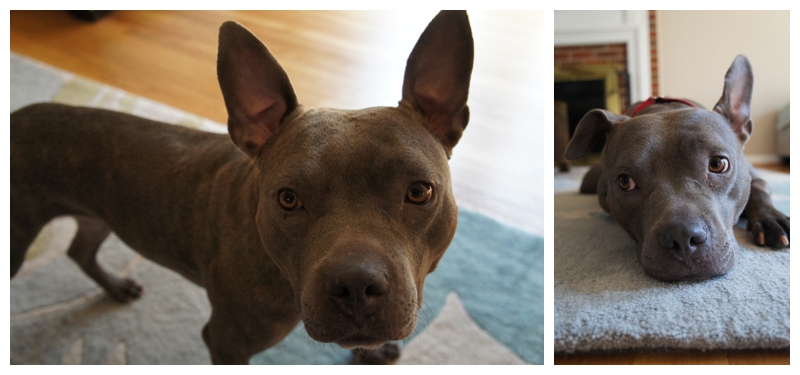
JENNIFER SCHIAZZA: Our most recent foster, Amelia, pictured below, was special to me because I personally chose to pull her from the shelter.  All of our previous fosters were recommended to us by the rescues.  A photograph of Amelia, pictured on the left below, was posted by Baltimore Animal Rescue and Care Shelter (BARCS) as needing rescue or adoption.  She was 20 pounds underweight.  My only thought upon seeing her photo was that she couldn’t die in that condition, scared, alone and unloved.  I contacted Heather, the foster and adoption director for Jasmine’s House, and asked if we could pull her.  Heather made arrangements for me to pick Amelia up from BARCS the next day.  I didn’t stop to think if she would get along with Jax, if she was house trained, would sleep through the night or had any health or behavior issues.  I was lucky; Amelia knew how to sit, stay, lay down, and give paw.  She had no problems introducing herself to Jax and adjusted quickly to our home.  We worked on some resource guarding with the help of Jasmine’s House training partner, Meghan Longhurst, and watched her gain confidence and healthy weight over the four months.  When she was adopted, I was so happy for her to have her happy ending and she will always hold a special place in my heart.

Amelia Before After


KATHERINE CARVER: What is the most satisfying and rewarding part of your dog fostering work?

JENNIFER SCHIAZZA: The day each dog is adopted (I call it Gotcha Day), is a great day.  Sometimes I shed a few tears and part of me is nervous about how they will fit into their new homes, but I always do a happy dance when they leave for their new home.  I’ve kept in touch with a few adopters and hearing how much they love their dog makes it all worth it for me.  

 Abbey


KATHERINE CARVER: In your experience, what is the most challenging aspect about dog fostering?

JENNIFER SCHIAZZA: For me, the first 48 hours with a new foster is the most challenging.  Imagine introducing a new dog to your home and settling them into your routine an average of every two months.  Most of the time we don’t know if they’re house trained, crate trained, or if they will get along with Jax.  We had a dog who got car sick, one who didn’t sleep through the night one who had food aggression towards Jax…and every foster had an accident in our house on the first day.  We use a good enzymatic cleaner and take it one day at a time.  


KATHERINE CARVER: Is it difficult to see the dogs you have fostered move from your home to a forever home?  How do you handle this experience when it happens?

JENNIFER SCHIAZZA: It’s definitely been bittersweet letting some of our fosters go, but I’ve always been pleased with the families adopting our fosters.  The meet and greets with interested families are important part of the adoption process not just for the adopters, but for the foster families as well because it reassures us that they are going to a loving forever home.  As much joy and happiness as some of our fosters have brought us, I’ve seen them bring even more joy to their adopters.  I’ve been lucky enough to be able to keep in touch with the adopters of my best fosters.  I see photos on Facebook and even get to dog-sit for one of my fosters when the family goes out of town.  

I found an anonymous quote that perfectly sums up how I feel when I miss my fosters: “I would rather cry and watch them leave our home to go live a full, good life in a loving forever home of their own, than cry because no one stepped up for them in a shelter where they died all alone, scared, unwanted and unloved.”

 Kima Shelter


KATHERINE CARVER: What advice can you give to someone who might be considering getting involved with dog fostering?

JENNIFER SCHIAZZA:  Contact several rescues and ask them about their fostering program to make sure it’s a good fit.  Will they find a temporary foster or boarding place if you go out of town?  Do they provide food and crates if you need it?  Are free training sessions available to attend with your foster dog ?  What type of training do they support (i.e. reward-based, force free training)?  

Remember your foster dog will be confused and maybe a little scared by his or her new surroundings.  They may have been recently spayed or neutered, come from a high stress situation like a shelter or long transport and they don’t know when they’re getting fed, where they are supposed to relieve themselves and they certainly don’t know who you are.  

Material things are replaceable.  I had a woman tell me her dog chewed a hole in the sleeve of her expensive cashmere sweater, but she rolls up the sleeves and laughs every time she puts it on.  

Keep your receipts for anything you spend on your foster and your mileage because it’s tax deductible.

Lastly, cherish the good times and learn from the bad.  I take a lot of videos and pictures of my fosters and remember what they did that put a smile on my face.  I’ve learned from every one of our fosters, mostly from our mistakes from house training, resource guarding to separation anxiety and it’s made me a better, more patient person.


KATHERINE CARVER: What are your goals and dreams for the future concerning dog fostering?

JENNIFER SCHIAZZA: Fostering can be addictive.  We haven’t gone more than a few weeks without a foster in the last year.  It’s important to take a break so we’re going to take a breather and then I’m sure it won’t be long before I see another dog in need.  We don’t have any children now, but when we do, I definitely want to foster to teach them the importance of rescue.

Tillie


KATHERINE CARVER: Where can people learn more about dog fostering?

JENNIFER SCHIAZZA: A lot of rescues post on social media sites like Facebook, Pinterest, and Instagram.  It’s a good resource to see what dogs are in need, ask questions and find people with a common interest.

Please note all photographs are courtesy of Jennifer Schiazza.

You can read additional interviews here.

Sheltie Haven Sheltie Rescue, Inc. — Part IV – Rescue dogs in need of furever homes

I am excited about a long-term Dog Photography Project that I am working on with the Baltimore Animal Rescue Care Shelter (BARCS) and other dog rescue organizations such as the Sheltie Haven Sheltie Rescue, Inc.  Since Biscuit was a sheltie, I felt that we needed to include a sheltie rescue in this project in Biscuit’s honor.  I hope to share further information in the future.  You can view Part I;  Part II; and Part III.

For now, I can share some color photographs of these doggies pictured below in the hopes that they receive furever homes!  If you are interested in adopting any of these dogs pictured below, please contact the Sheltie Haven Sheltie Rescue, Inc. for further information.  Please consider dog rescue!  Biscuit’s story illustrates that we can make a positive difference and impact in one dog’s life.

Brief Description of the dogs in the order they are pictured below.

1. Maggie — is a retriever and chow mix who is 15 years old.  Maggie is blind and she has some arthritis, and she has a very calm disposition.  She loves one-on-one attention.  Maggie is a very sweet and loving dog who is in need of a furever home!

2. Rock-It — is a male sheltie who is 13 years old.  Rock-It is a special, gentle sheltie with a wonderful calm disposition who loves one-on-one attention who is in need of a furever home!

3. Angel — is a female shelite who is 13 years old, who acts quite young for her age.  Angel is swift on her feet and she loves to run and play!  Angel is in need of a furever home!

4. Spirit — is a male sheltie who is 9 years old.  Spirit is very friendly and playful.  Spirit is not fond of cars, and therefore requires a fenced in backyard.  Spirit is a very playful dog who loves to play who is in need of a furever home!

If you want to adopt a rescue dog; donate money; and/or contribute your time to the Sheltie Haven Sheltie Rescue, Inc., please contact Carol Guth via telephone at 301-663-0635; or via e-mail at sheltytaxi@aol.com.  To learn more, you can also visit the Sheltie Haven Sheltie Rescue, Inc.’s website.

Happy Tuesday!


IMG_0119 2

IMG_0096 2

IMG_0221 2

IMG_0236 2


Also, during our recent visit to the Sheltie Haven Sheltie Rescue, Inc., we donated Biscuit’s remaining dog food to this rescue in order to help other sheltie rescue dogs.

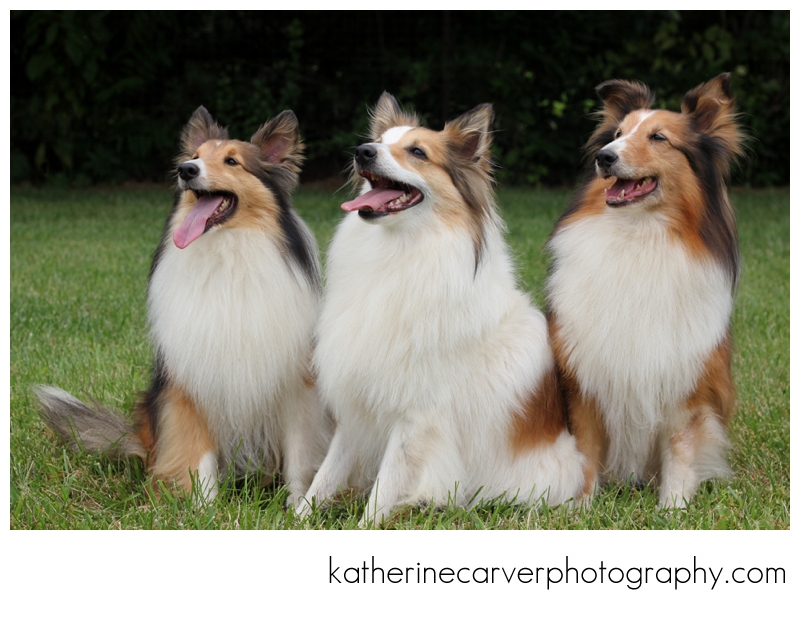
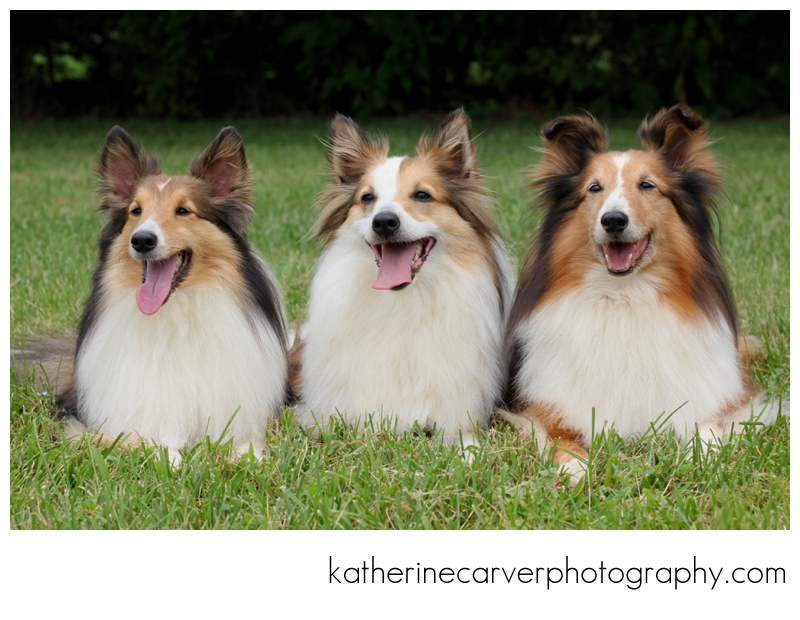
Additionally, I photographed Carol Guth’s dogs — who were originally rescue dogs that she adopted as her own dogs — Whisper, Twist, and Jill!  Aren’t they adorable!  Carol is going to use one of these images, shown below, for her 2013 Christmas card!  Carol Guth is the Director of the Sheltie Haven Sheltie Rescue, Inc.

IMG_0359 2 Carol

IMG_0388 2

Featured: My Modern Metropolis

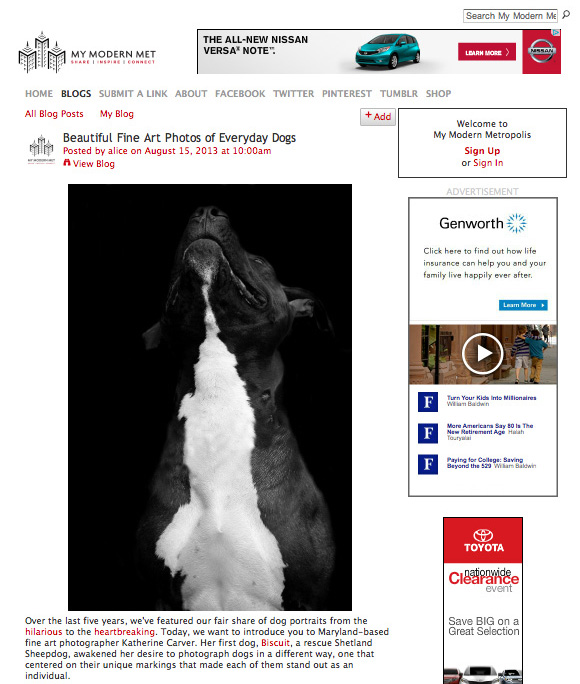
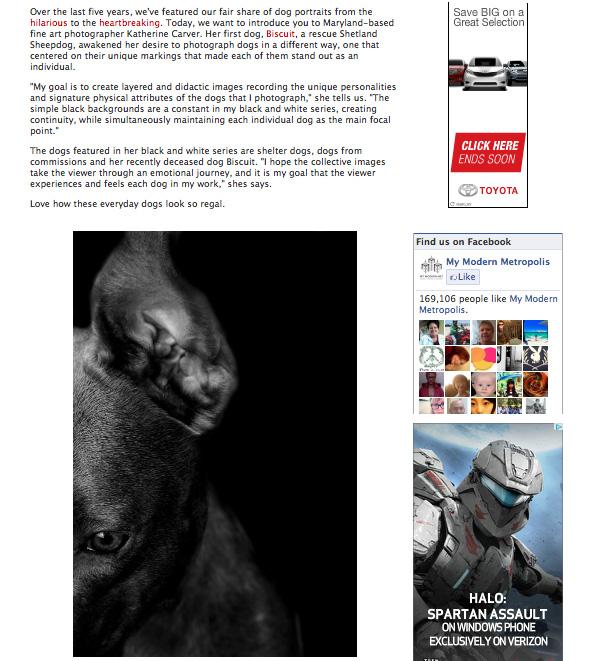
It was a great honor and I am very grateful to see several of my fine art photographs from my black and white series along with a nice write up that was recently featured on My Modern Metropolis, which features photography, art, and design.  You can read the entire feature here.

A big thank you to Alice Yoo, the Editor of My Modern Metropolis!


Screen Shot 1

Screen Shot 2

Screen Shot 3

Screen Shot4

Screen Shot 5

Interview with Martin Usborne, Photographer, Writer, and Animal Lover

Interview with Martin Usborne, Photographer, Writer, and Animal Lover

Martin-215x245

Recently, I had the great honor and privilege of interviewing Martin Usborne, a photographer, writer, and animal lover who works and resides in London with his wife, Ann, and their miniture schnauzer, Moose.  Martin was trained in architecture, then philosophy, then psychology, then three-dimensional animation before checking his compass once more and finally settling on photography.  Martin’s current work consists mainly of portraits, both human and animal.  Martin’s key interest is man’s relationship to animals.  Martin has been regularly featured in international magazines and has been seen in group and solo shows around the world as well as in the National Portrait Gallery London.  He has had four books published.

Martin is currently spending a year to see how many animals he can save in 365 days, a project entitled, A Year to Help.  Martin has sent himself out into the world to give back to the very subjects that have given him such artistic inspiration.  Over the course of 365 days, he will try to save or help as many animals as he can while documenting each step.  This is a wonderful, fascinating, and inspiring  project, which is discussed in more detail below.


KATHERINE CARVER: How did you devise the idea for your project, “A Year to Help”?

MARTIN USBORNE: Well, I feel very much like a failed animal lover.  I’ve cared about animals all my life, yet I’ve done very little to help their obvious plight in the face of so much human cruelty.  I actually did a rather cheesy life review with a life coach some years ago and was slightly embarrassed to admit that one of the key goals in my life would be to help animals (embarrassed partly because that doesn’t sound very cool and partly because I hadn’t done anything whatsoever to help).  One of my other goals was to write a book so I thought why not combine the two.


KATHERINE CARVER: How have your own dogs influenced your decision to embark on your “Year to Help” adventure?

MARTIN USBORNE: My own dogs have reinforced my feeling that animals and humans are deeply interconnected and there is room for greater understanding.


KATHERINE CARVER: What was the impetus that inspired you to begin photographing dogs?

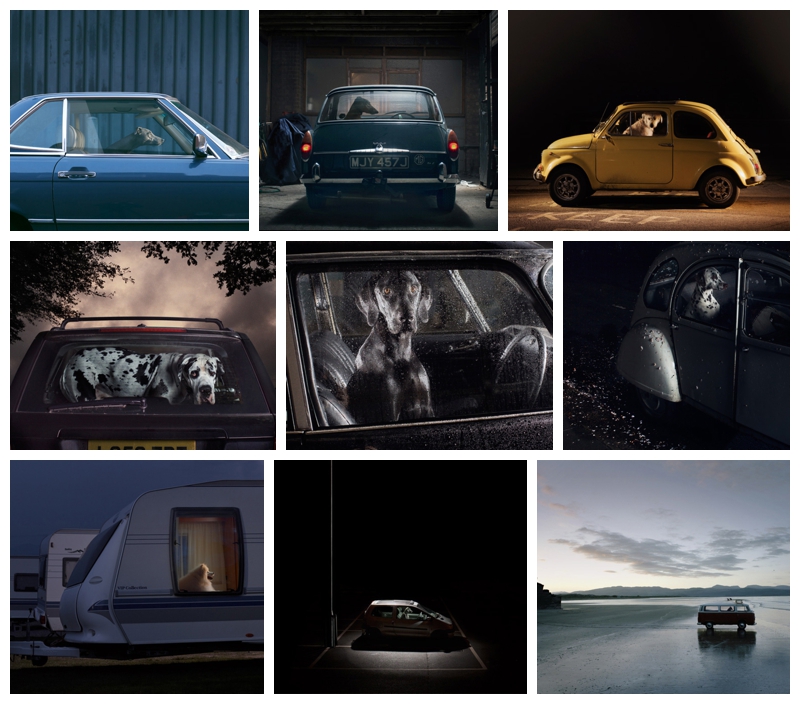
MARTIN USBORNE: I started with my project Dogs in Cars because of an early memory of being left in a car as a child combined with an early connection with animals.  Dogs in Cars project was a way for me to explore that.  (Some of Martin’s images from this body of work, Dogs in Cars, is shown immediately below).

dogs in cars 2


KATHERINE CARVER: What countries have you visited, to date, during your project, “A Year to Help”?

MARTIN USBORNE: To date I have visited India, Spain, Greece, The Philippines, Vietnam, and Laos.


KATHERINE CARVER: How many animals have you saved and helped, during your project, “A Year to Help”?

MARTIN USBORNE: To date it is 302 but it is changing all the time. You can read more about the animals I have saved and what I classify as ‘saved’ here


KATHERINE CARVER: How do you handle experiencing the suffering of animals that you have witnessed and continue to witness, during your project, “A Year to Help”?

MARTIN USBORNE: I find it difficult but important.  One of the reasons why many people don’t care enough is because they are not exposed.  I think being physically out of touch can lead to being emotionally out of touch.  In some ways it has been quite a relief to touch the suffering, as strange as that sounds, because I no longer feel so numb about it all.


KATHERINE CARVER: How are you financially able to afford and fund this project, “A Year to Help”?

MARTIN USBORNE: I can’t.  I have had a few generous donations but on the whole I have made fairly deep pockets by breaking a whole in the bottom of them.


KATHERINE CARVER: Have your friends and family members been supportive of your project, “A Year to Help”?

MARTIN USBORNE: They are supportive to the extent that they want me to follow my heart but I think some friends are not entirely convinced by my direction.  My wife has been hugely supportive (I am currently dictating this to her as I drive back from a pig farm).


KATHERINE CARVER: How did your interest in photographing dogs begin as you have also done other works, featuring dogs, entitled, The Silence of Dogs in CarsNice to Meet You and A Portrait of Crufts?

MARTIN USBORNE: I’ve always loved dogs, and I have had them since I was a child.  They are my way into the animal world.


KATHERINE CARVER: What artists inspire your work?

MARTIN USBORNE: It depends on the project, but I very much admire non-animal photographers and painters alike who capture psychological intensity in their imagery.


KATHERINE CARVER: What does “being creative” mean to you?

MARTIN USBORNE: Being free to explore your own view of the world and express it in the most intimate way you can.


KATHERINE CARVER: What has been the most difficult aspect of doing this project, “A Year to Help”?

MARTIN USBORNE: I think both the sheer work load of researching the material, travelling to the locations, and then writing and photographing the story while trying to keep some work (i.e., money) coming in on the side.


KATHERINE CARVER: What inspires you to keep going with your work and what keeps you motivated?

MARTIN USBORNE: With regards to A Year to Help – Other like-minded people keep me inspired – meeting people who are braver, stronger, and more dedicated than I am.


KATHERINE CARVER: What is the most rewarding and satisfying part about being a photographer and creating art and embarking on this project, “A Year to Help?”

MARTIN USBORNE: That you get to express your own voice.


KATHERINE CARVER: Can you briefly discuss the story of Mango, a three-month-old dog, who was found on the streets in connection with the illegal dog meat trade?

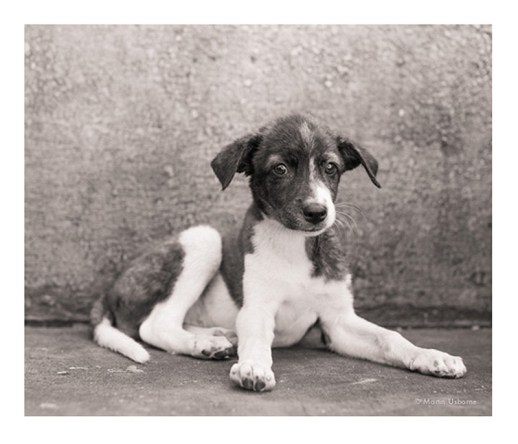
MARTIN USBORNE: We found Mango, pictured immediately below, on a street infamous for selling dogs to the dog meat trade.  She was only a puppy and would likely have soon been meat. It is illegal in the Philippines to eat dog meat so this was a chance to raise some publicity for Network for Animals who are trying to stop the trade. You can read more about Mango here and here.
 mangolying


KATHERINE CARVER: To date, for you, what have been the most exciting and satisfying parts of this project, “A Year to Help”?

MARTIN USBORNE: I think a subtle but very definite feeling of coming more in touch with my own sense of right and wrong and my own sense of our relationship to the animal world.  And hearing from readers who are touched by what I have done.


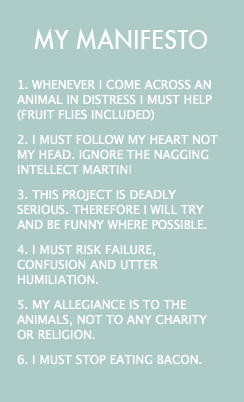
KATHERINE CARVER: Have you been able to keep to your manifesto posted on your “Year to Help” blog?

MARTIN USBORNE: Yes, I think on the whole I have.  I’ve now stopped eating meat.  I’ve helped animals whenever I can though I do admit occasionally I’ve swatted the odd mosquito and let Ann, my wife, get rid of the ants that decided they wanted to take over our house.
manifesto


KATHERINE CARVER: How has your world-view changed since embarking on this project, “A Year to Help”?

MARTIN USBORNE: I have become both more disturbed by man’s fractious relationship to animals and more driven to do something to help.


KATHERINE CARVER: How has your view of animals changed by doing this project?

MARTIN USBORNE: I don’t feel my view of animals has hugely; but I do feel a greater respect and I suppose understanding of them as individuals that deserve our compassion.


KATHERINE CARVER: What is the biggest lesson that you have learned from embarking on this project, “A Year to Help”?

MARTIN USBORNE: That’s a tough on…That it is very important to find your own truth and not just listen to what society says.  For me that means taking animals much more seriously and feeling more at peace with myself for doing so.


KATHERINE CARVER: When you return home to London what do you plan to work on next?

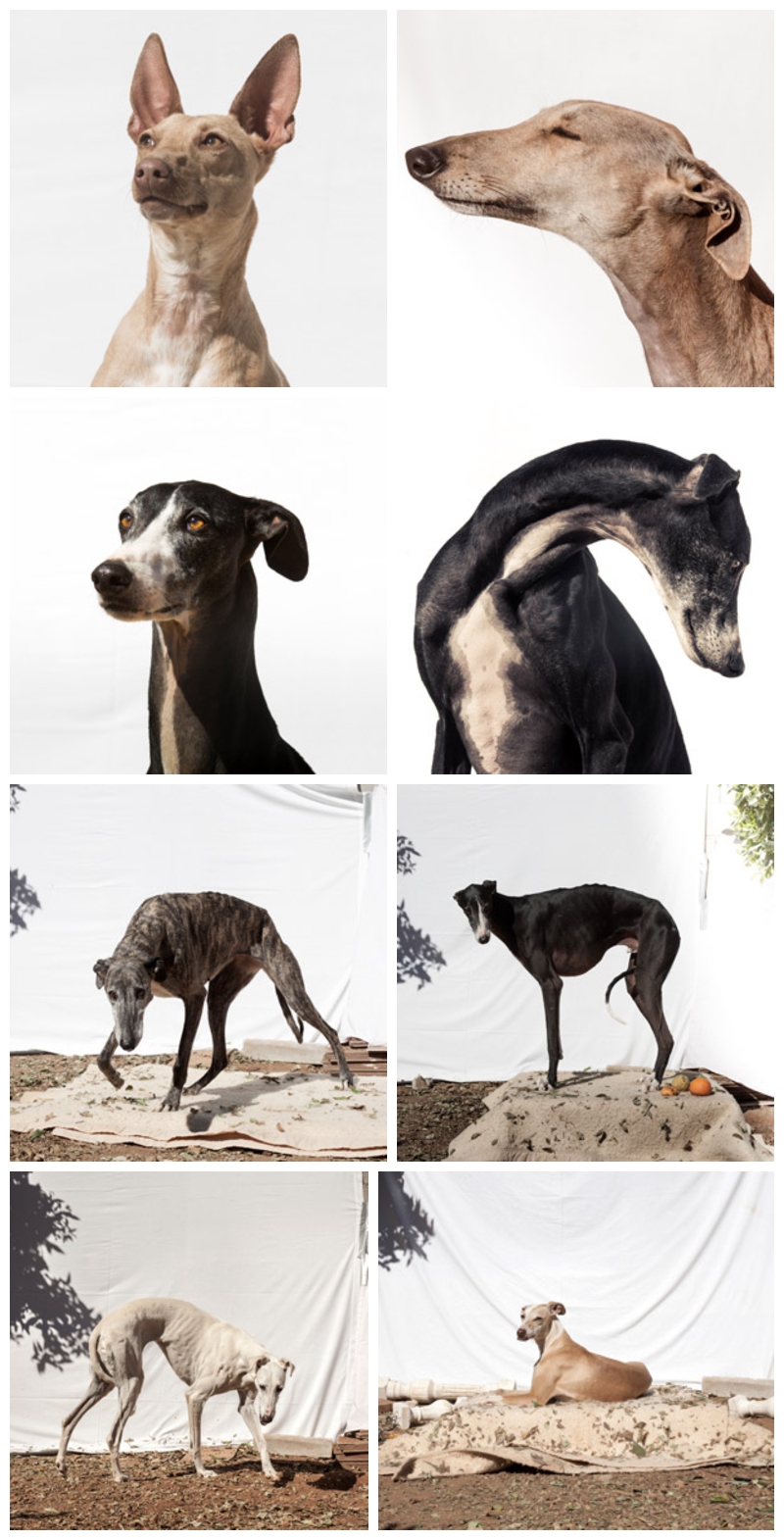
MARTIN USBORNE: I want to make a photography book about the story of the Spanish hunting dogs that I covered in my blog in the early part of this year.  I also want to make some money and I will be starting a small publishing company called Hoxton Mini Press that makes beautiful, fun, quirky, and collectable books about East London.  We will be launching a Kickstarter campaign to help fund the first two books next month so keep an eye out for more on that!
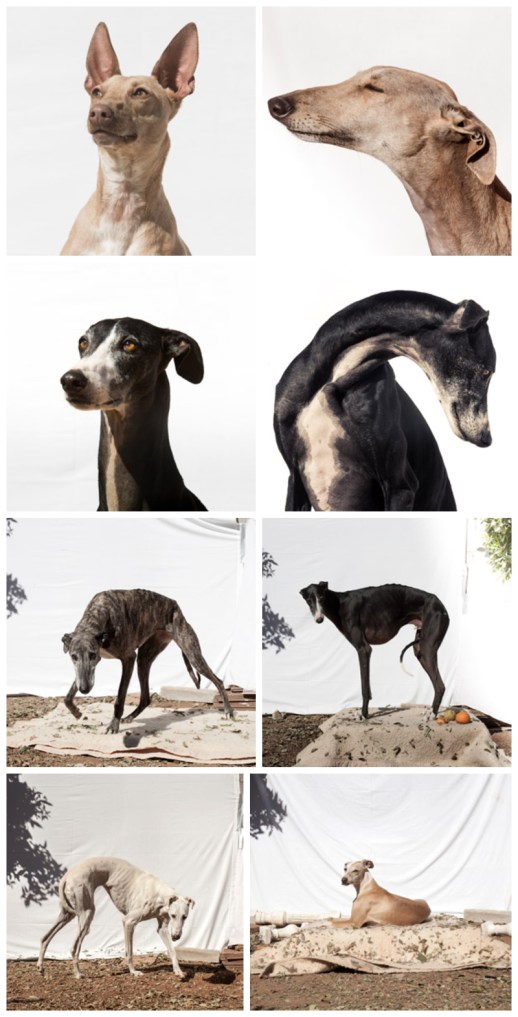
 Galgos


KATHERINE CARVER: How can people learn more about “A Year to Help”?

MARTIN USBORNE: By reading the blog


KATHERINE CARVER: How can people view your photography?

MARTIN USBORNE: By visiting my website.  I also have a number of my photography books (signed) available to purchase here.


KATHERINE CARVER: How can people support and donate to this important project?

MARTIN USBORNE: You can donate by clicking the ‘donate’ button via this link.  We are very grateful for any help we receive.

All images contained in this blog post are courtesy of Martin Usborne.

You can read additional interviews here.
Baltimore Animal Care and Rescue Shelter (BARCS) — Part III – Shelter dogs in need of furever homes

I am excited about a long-term Dog Photography Project that I am working on with the Baltimore Animal Rescue Care Shelter (BARCS) as well as some local dog rescue organizations.  I hope to share further information in the future.  You can view Part I and Part II
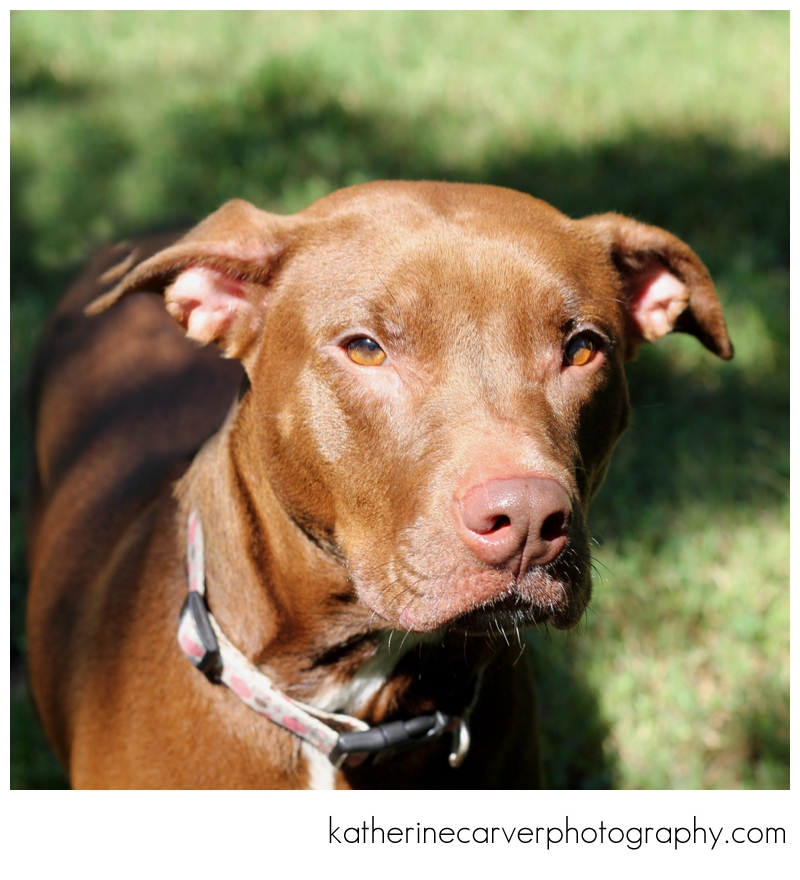
For now, I can share some color photographs of these doggies pictured below in the hopes that they receive furever homes!  If you are interested in fostering or adopting any of these dogs pictured below, please contact BARCS for further information.  Please consider dog rescue!  Biscuit’s story illustrates that we can make a positive difference and impact in one dog’s life.

Brief Description of the dogs in the order they are pictured below.

1. Ceasar — is a male terrier-pit bull mix, approximately 1.5 years old.  Ceasar is a very sweet and loving dog who is in need of a furever home!

2. Hava — is a male retriever and labrador mix, approximately 10 months old.  Hava is very sweet and playful who is in need of a furever home!

3. Willow — is a female retriever and labrador mix, approximately 2 years old.  Willow is very happy and loves to be petted who is in need of a furever home!

4. Henry — is a male retriever, labrador, and terrier mix, approximately 9 months old.  Henry is very playful and healthy.  Henry is a very playful dog who loves to play who is in need of a furever home!

5. Shyla — is a female hound and terrier mix, approximately 1 year old.  Shayla is a very sweet, crate-trained dog who knows basic commands, and she is well-behaved around children who is in need of a furever home!

6. Coco — is a female terrier-pit bull mix, approximately four years old.  Coco is a very playful dog!  Good news —  Coco was adopted over the weekend!

7. Blair — is a female beagle mix, approximately 6.5 years old.  Blair is a very sweet and playful dog.  Good news —  Blair was adopted last week!

8. Sabre — is a male shepherd mix, approximately 4 years old.  Sabre is a very handsome and gentle dog.  Good news —  Sabre was adopted last week!

Happy Tuesday!


IMG_9330 2, Cesar (no number yet)

IMG_9374 2 Hava, 77303

IMG_9482 2, Willow, 78781

IMG_9603 2, Hurricane, A20608135

IMG_9725 2 Sheila 19452904

IMG_9755 2, Coca, A20345904

IMG_9814 2, Blair, A20628981

IMG_9919 2, Sabre (non number yet)

Vetting your Veterinarian-Surgeon

Sometimes, your current vet is unable to perform specialized surgeries that therefore must be performed by a surgeon.  This was the case with Biscuit’s final surgery at the end of June 2013.  Thus, finding the right match with a veterinarian who is a board certified surgeon is vital to your furry family member’s health and emotional well-being as well as the well-being and comfort of the furry family member’s human counterpart.

Based on our recent surgery experience with Biscuit, below are a list of recommended questions to ask — (1) your referring veterinarian; and (2) the surgeon prior to proceeding with surgery.  (This list is not exhaustive, and it should be used as a starting point to then be tailored to your specific needs).  Hopefully, these questions, shown below, will help assist you when selecting a surgeon concerning your furry family member’s medical and surgical needs.


Questions to ask your referring veterinarian:

1. Why are you [vet] referring me to this particular surgeon or surgery practice?

2. Do you [vet] have a financial relationship (i.e., kickbacks) with the surgeon you are referring me to?

3. What are your [vet] experiences with this surgeon and surgery practice?

4. Have you [vet] had patients who had any unfavorable experiences with this surgeon or surgery practice?  If so, can you elaborate on these experiences.

5. Ask your vet to send your entire record to the surgeon for review.

6. Ask your vet’s office to confirm with you that the entire record, including any records from other vet specialists, was sent to the surgeon’s office for review.


Questions to ask the prospective surgeon(s):

1. Confirm with the surgeon’s office that the entire record was received by the surgeon.

2. Ask to make sure that the surgeon has reviewed your file prior to the consultation appointment to ensure that the surgeon has an understanding of your case.

3. Ask the surgeon if he/she is board certified.

4. Ask the surgeon how long he/she has been practicing surgery.

5. Ask the number of times the surgeon has performed the potential surgery in question.

6. Although every case is different, ask the surgeon’s success rate concerning the surgery in question.

7. Ask the surgeon the duration of the surgery.

8. Be sure to discuss your furry family member’s medical history and any concurrent conditions that may complicate surgery.

9. Ask about the risks of anesthesia and whether your furry family member based on his/her history will be able to sustain the anesthesia.

10. Ask the surgeon about all of the potential risks of surgery.

11. Ask the surgeon about possible complications of the surgery, i.e., during surgery and post surgery.

12. Ask the surgeon about all of the possible outcomes of surgery.

13. Ask the surgeon about the prep work involved prior to surgery.

14. Ask the surgeon about the recovery time line post surgery.

15. Ask the surgeon about what is likely going to be involved in the recovery, i.e., follow-up vet visits; medication; diet; rehabilitation services; and your furry family member’s emotional health post surgery, etc.

16. Ask the surgeon about the quality of care provided while in the surgeon’s care and during the hospital stay.  It is critical that you understand who will be taking care of your furry family member; and it is extremely important to know how your furry family member will be cared for as you will be unable to monitor the care of your furry family member when your furry family member is in surgery and while staying at the hospital post-surgery.

17. Ask the surgeon about his/her caseload (and the practice’s case load) to get an understanding whether your furry family member will just be a number; or whether the surgeon and his/her practice provides more individualized and personalized care.  This is very important information to glean from the surgeon.  The surgeon’s answer to this question, presuming he/she is being truthful, should give you an idea of the business model being implemented and whether that type of business model fits your and your furry family member’s needs and expectations.

18. Ask the surgeon how he/she will communicate with you before, after, and post surgery, especially while your furry family member is staying in the hospital; ask the surgeon how often he/she communicates with clients while your furry family member is in the hospital; and ask how promptly your telephone calls and e-mails will be returned.  Communication is critical, especially while your furry family member is not in your care.

19. Ask how you will be able to get in touch with the surgeon and/or the surgeon(s) on call after hours and on the weekends to ensure continuity of care for your furry family member.  This is vital information to obtain and understand so that you can appropriately get your questions and concerns answered.

20. Ask to meet the staff members who will be taking care of your furry family member during the day time and over night while your furry family member is staying at the hospital.  These may not, and often are not, the same care providers.

21. Ask to see the surgery room and ask for a tour of the hospital to be sure you have a visual understanding of where your furry family member will be staying.

22. Ask the surgeon what work up will need to be completed prior to surgery to determine if surgery is appropriate, i.e., blood work; urinalysis; x-rays; MRI; and CT scans, etc.

23. Ask to obtain all of your furry family’s test results conducted at the surgeon’s office prior to surgery.

24. Ask the surgeon in his/her opinion what will provide the best quality of life for your furry family member, i.e., proceeding with the surgery or exploring other avenues (if any are available) to help treat your furry family member, etc.

25. Ask the surgeon for references of clients who are willing to speak about his/her experiences with this particular surgeon.

26. Ask the surgeon about his/her veterinary philosophy.

27. Ask about the total cost for the surgery, including contingency costs for possible complications to ensure an accurate cost estimate.

28. Be certain to ask any and all follow-up questions with the surgeon to be sure that you have a clear and informed understanding on all fronts.


Other important considerations:

1. Be certain to take the time to review the estimate(s) provided by the surgeon and ask further questions where you need clarification.

2. Be certain to read the contract and any appended paper work to be sure you ask any and all questions that you might have.

3. After asking these above questions, make sure if you proceed with surgery, that you feel comfortable working with this particular surgeon.

The goal, at least for Doug and I,  is to find a surgeon who is competent; compassionate; honest; ethical; diligent;  provides compassionate care; communicates clearly; is responsive in a timely fashion; and who is willing to work collaboratively with the client (and the furry family member) as a team.

4. After you meet with the surgeon, if you have any reservations whatsoever about your trust or ability to work as a team with the surgeon, you should obtain a second opinion from another surgeon — preferably a second opinion from another surgeon in another practice.

For Doug and I, finding the best match with a primary veterinarian and veterinarian-surgeon is our primary concern.  Unfortunately, here in Maryland, there are only a few surgeons  who are board certified.  Luckily, D.C., Northern Virginia, Delaware, and Pennsylvania are not too far away; and depending upon where you live or where you are willing to travel to, and depending upon the nature and timing of the possible surgery, there are universities (vet schools) around the country who employ board certified surgeons who can perform surgeries on your furry family member(s).

I hope that you find some of these questions and considerations helpful concerning your furry family member(s).

IMG_0274 3