Skip to content

Biscuit – Winter Health Update

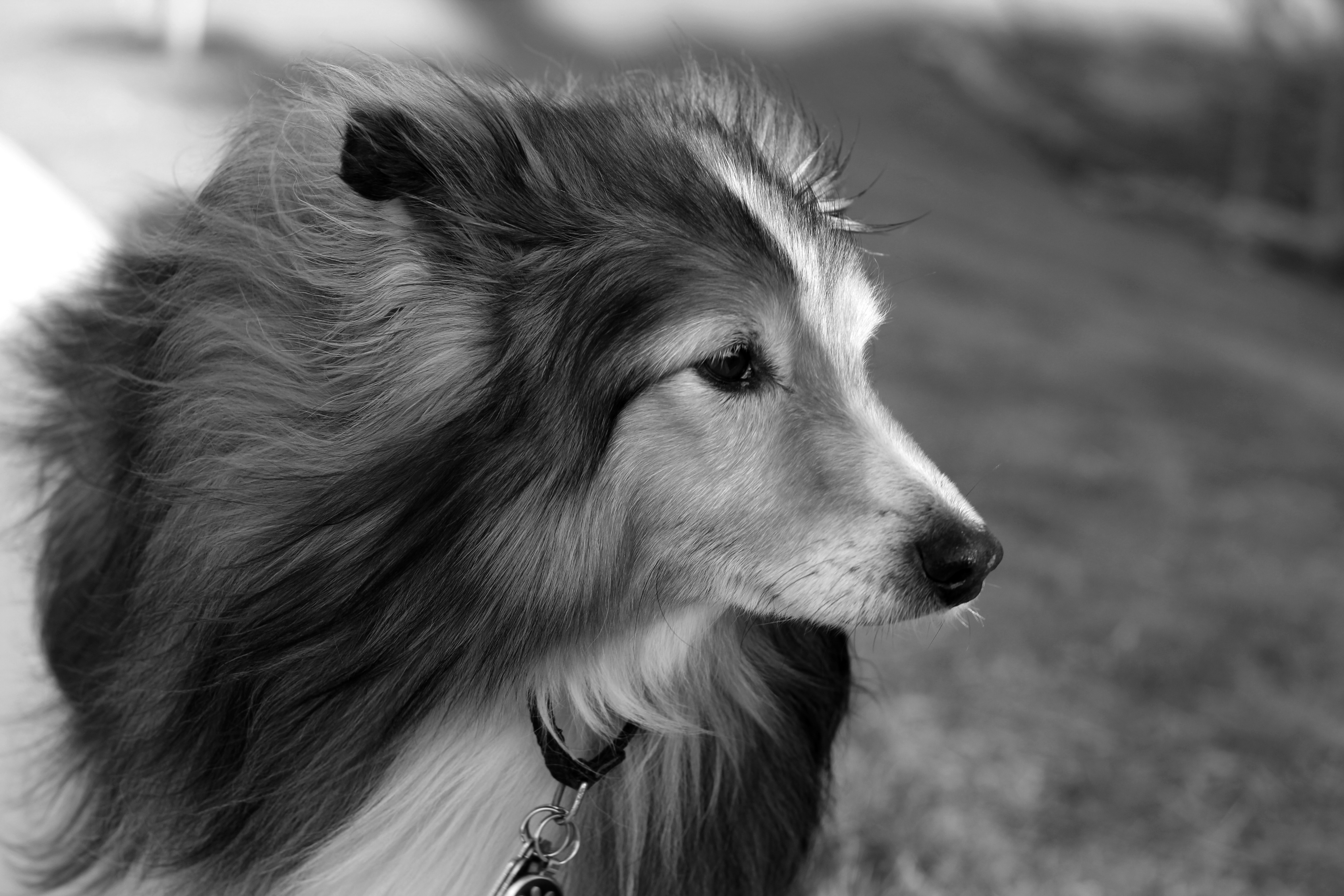
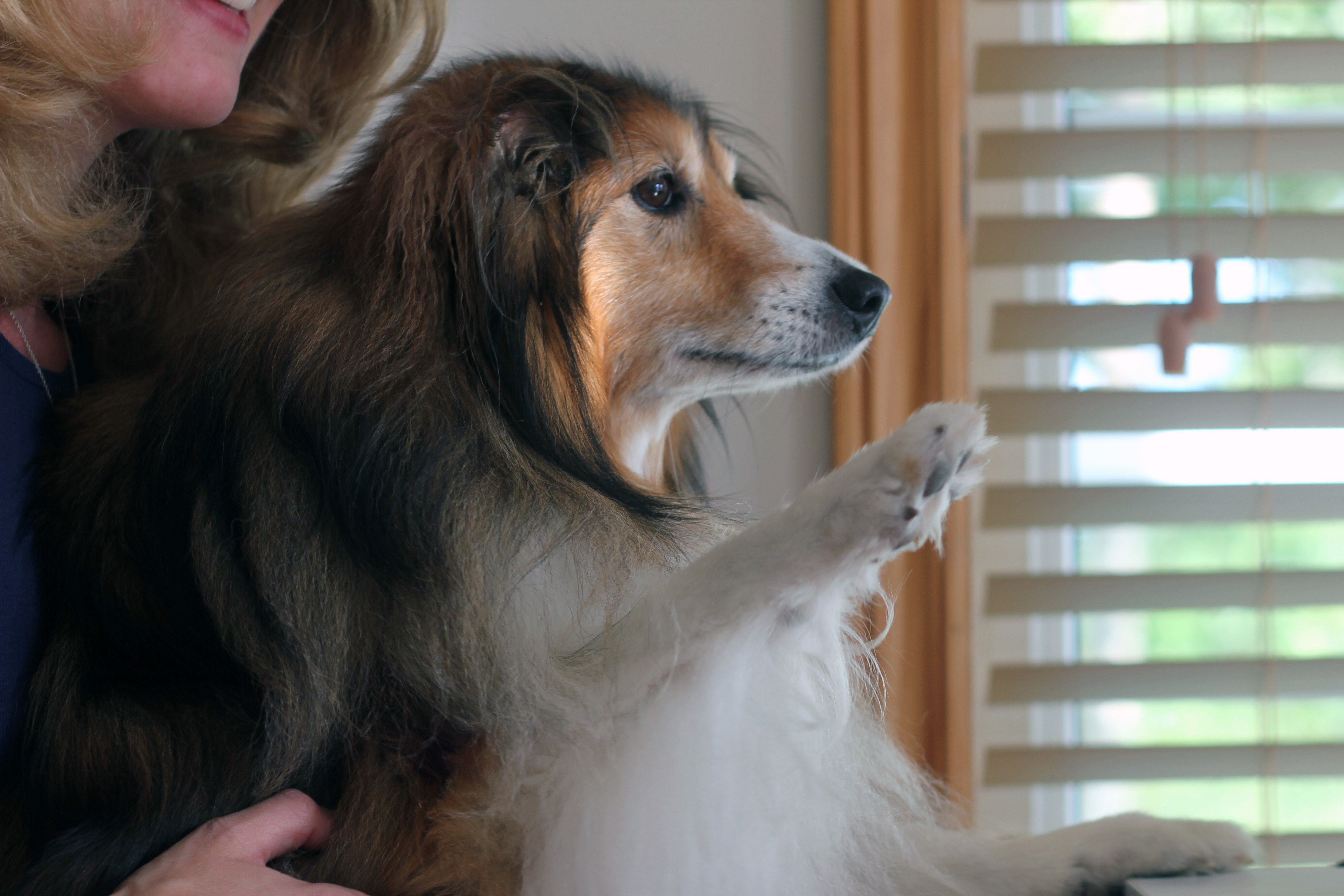
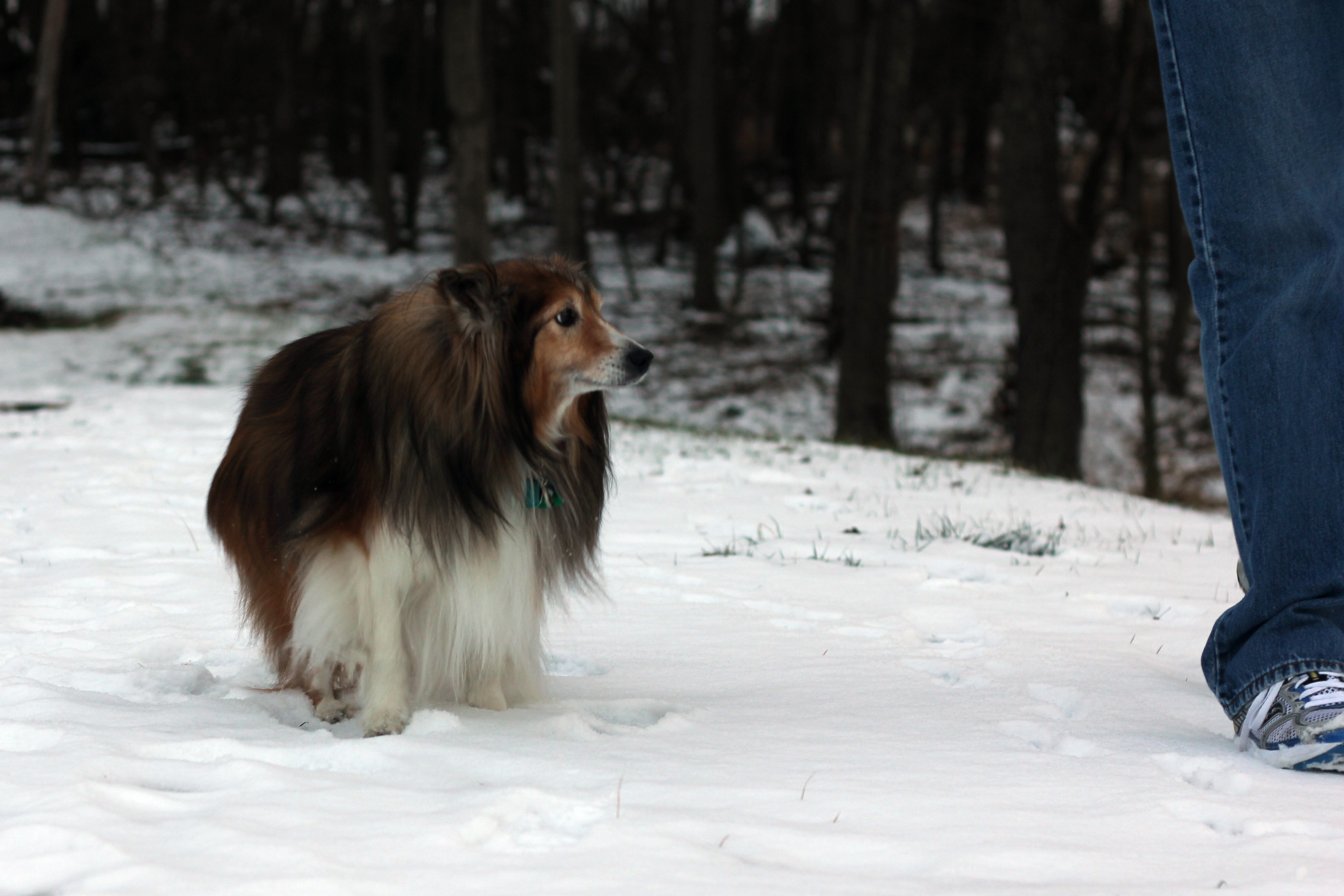
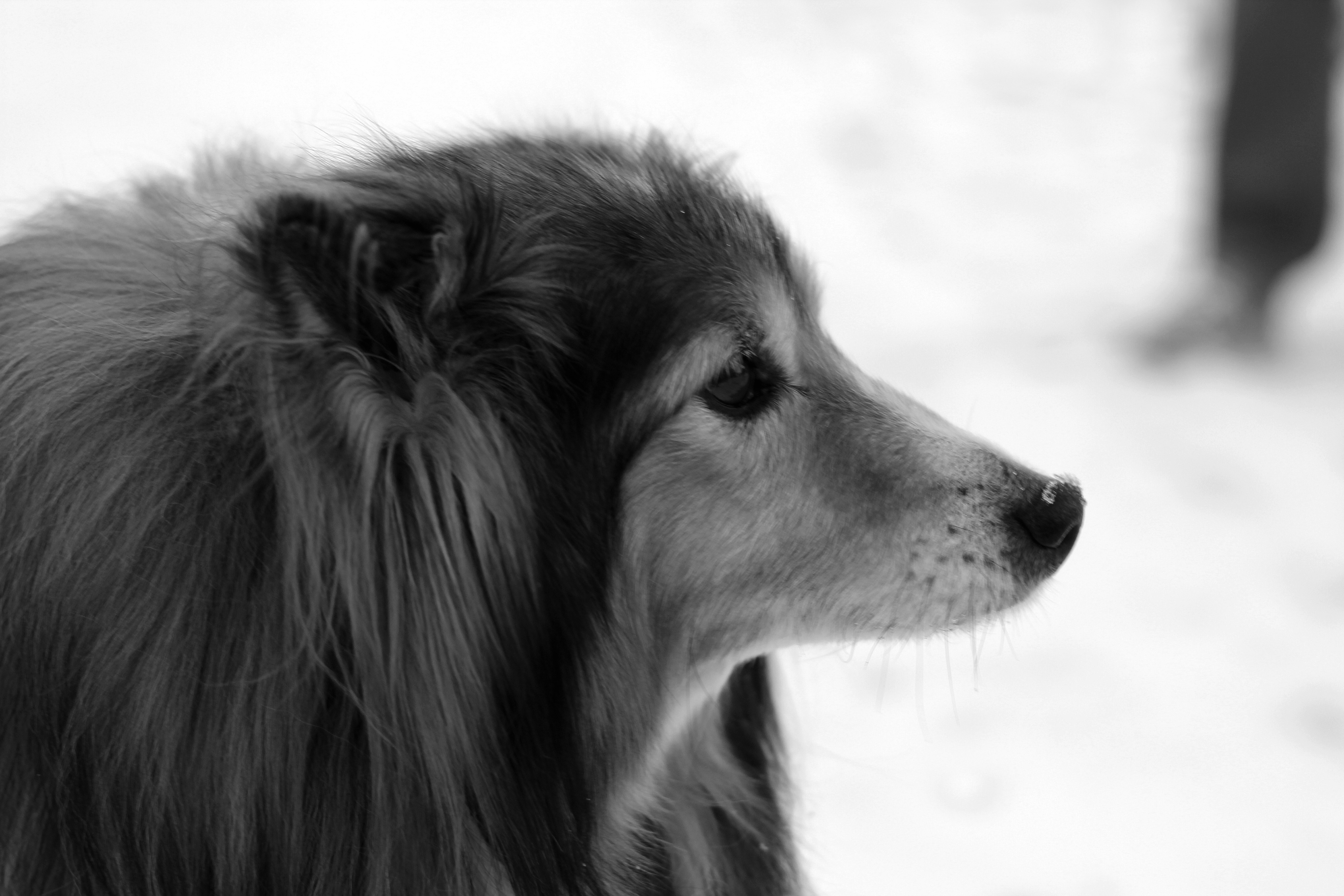
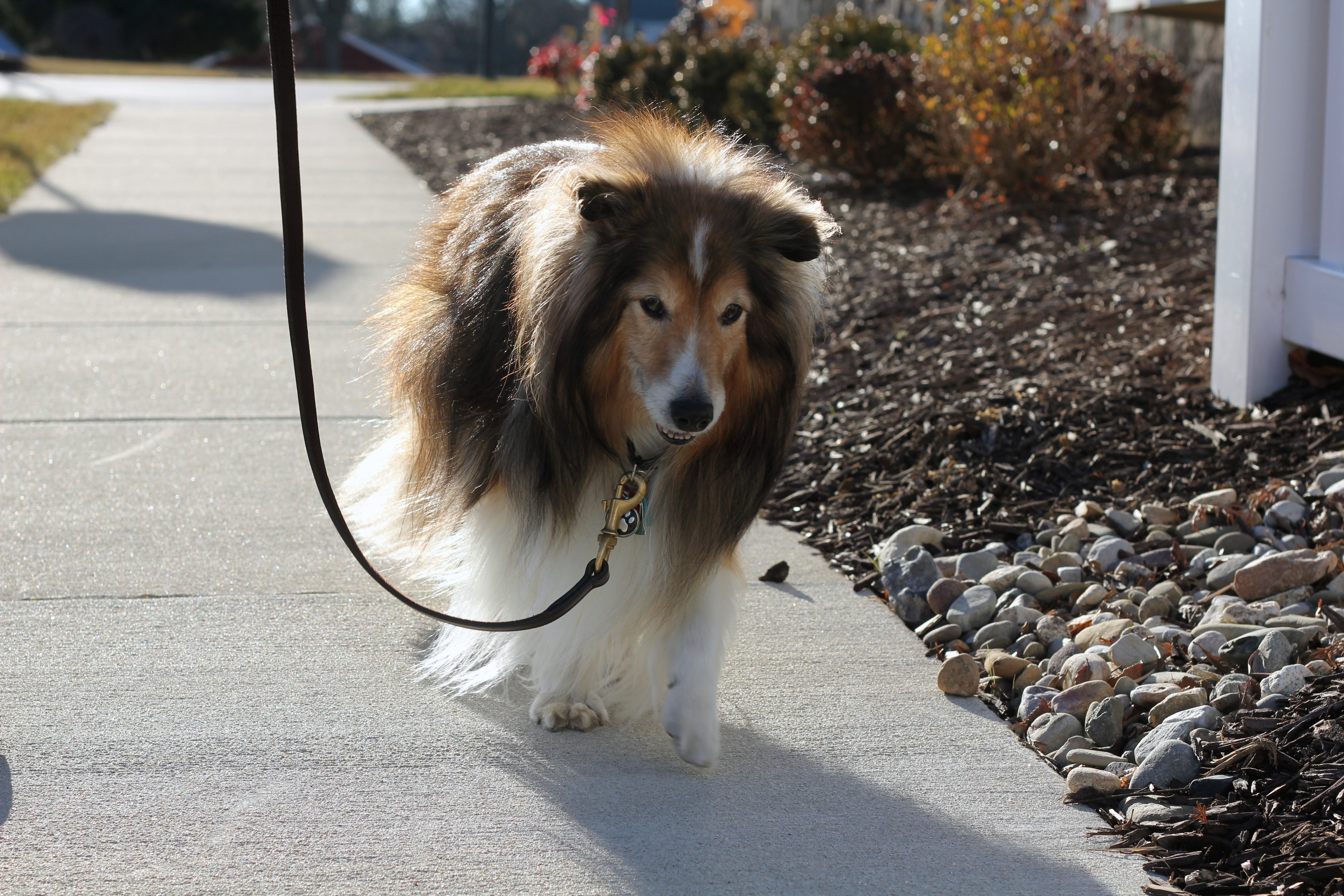
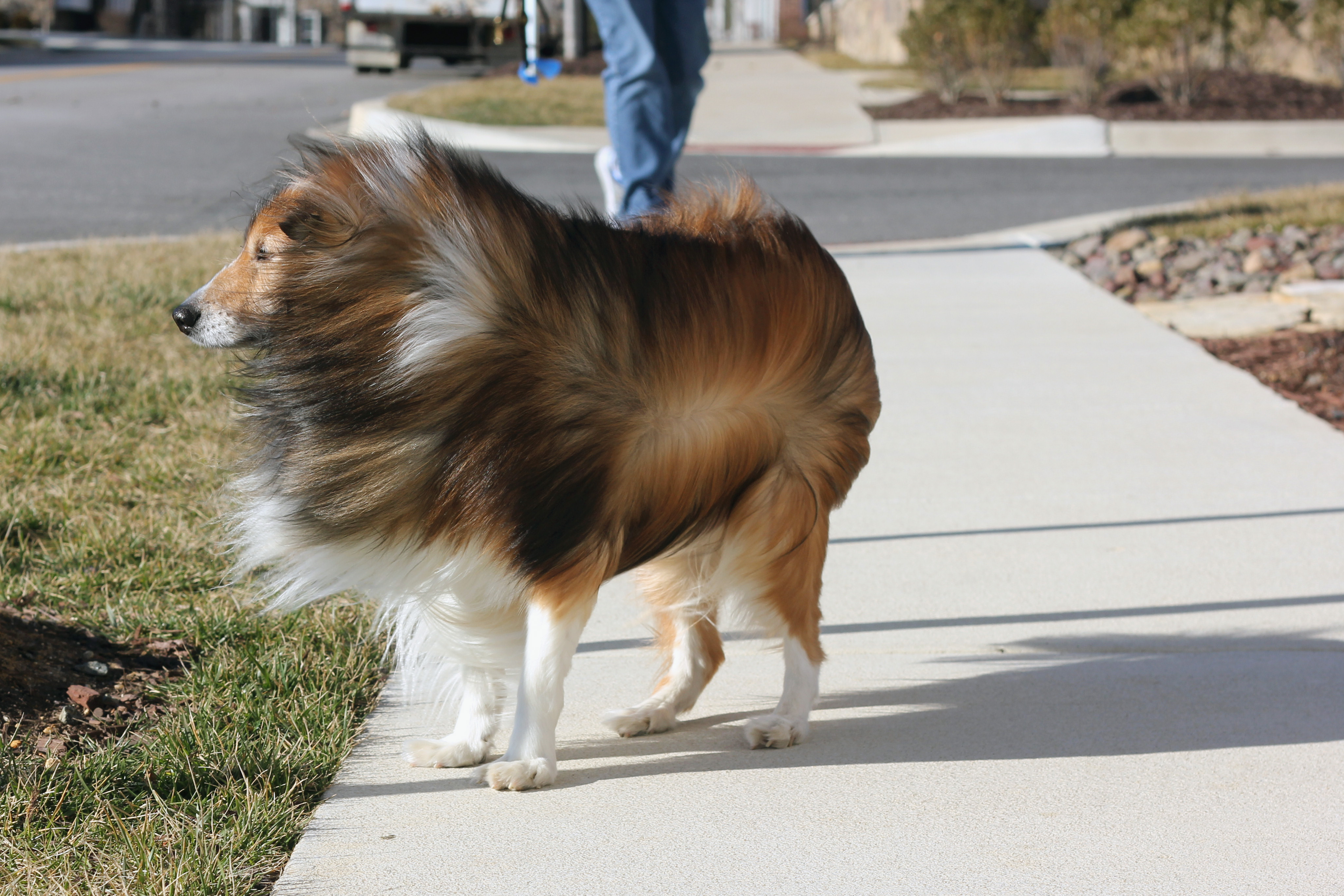
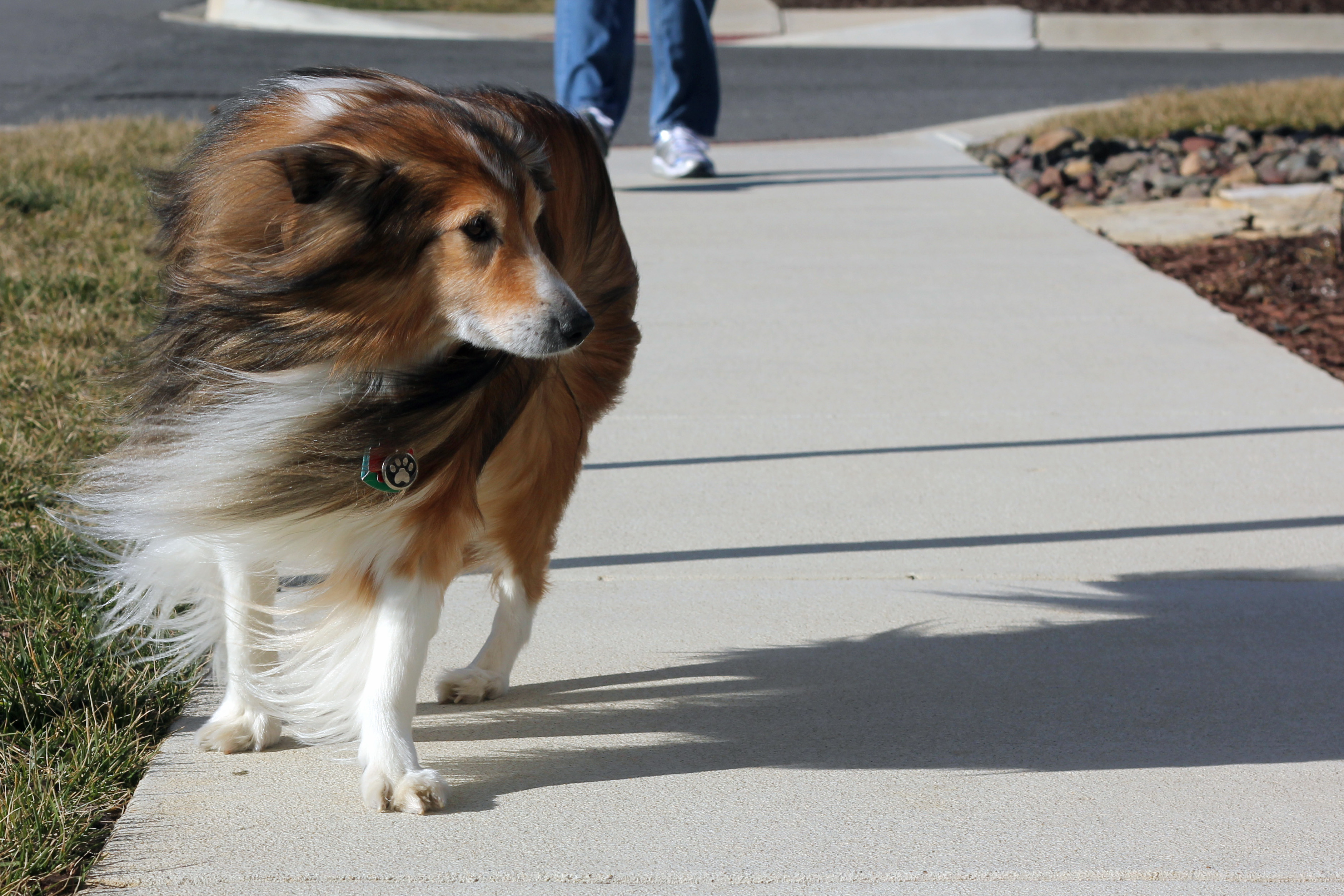
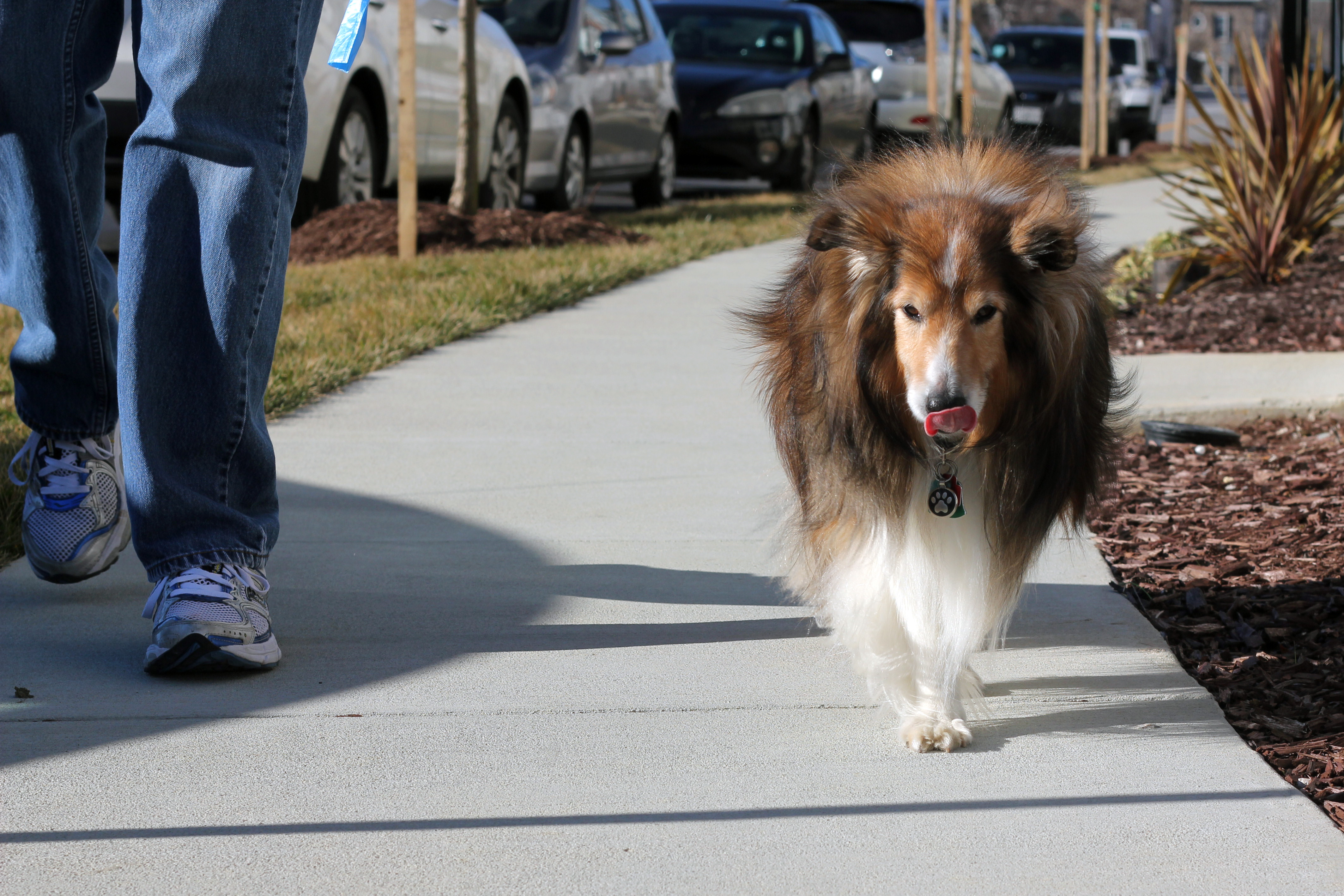
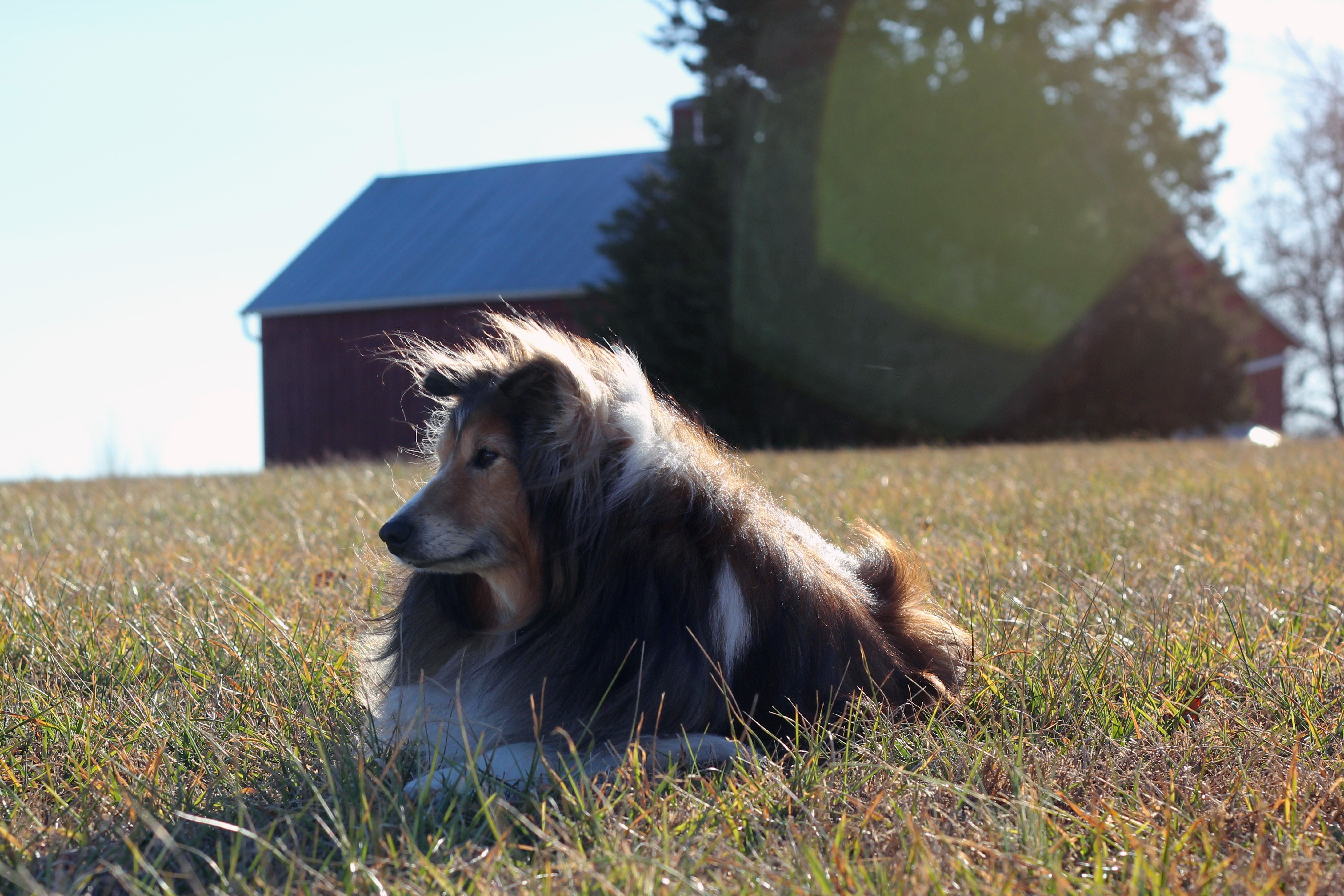
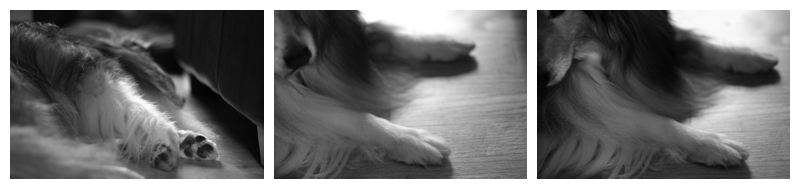
Below are some photographs of little Biscuit enjoying a winter walk!  Biscuit is doing well.  Although, we are still battling a staph infection in his left ear.  We have him on medicine, and hope that it will clear up his infection.  We have a follow-up appointment with the vet soon to make sure the medicine is helping his ear.  Otherwise, Biscuit is in good spirits!

Happy Friday!

IMG_4127 3

IMG_4134 2

IMG_4157 3

How to Preserve Your Photographs

How to Preserve Your Photographs

Photographs are some of the most treasured family heirlooms.  Family collections often contain a wealth of images capturing everyday life, significant events, and special memories.  In the history of photography, many different types of materials have been used to create photographs, and family collections often represent a fascinating variety of black and white color processes.  Most black and white photographs are composed of silver particles suspended in a protective gelatin binder or emulsion, which is coated on a paper support.  Color photographs employ dyes to produce the image.  Many formats are found in family collections, from small snapshots to large, mounted portraits.

Because photographs are made from a variety of sensitive materials, they are easily damaged and may not survive to pass on to future generations if improperly stored, displayed, and handled.  Photographs are best preserved by handling them with care, providing a good storage environment and by using good quality enclosures.

However, even though we presently live in a digital age, and we may not as often have prints made as in the past, it is important to properly care for your photographs and negatives to ensure proper preservation.  Taking care of your photographs is very similar to taking care of a work of art.  I hope that you find this information helpful to preserve your special photographs to share with future generations for years to come.


General Care and Handling of Photographs

Taking care when handling any collection item is one of the more effective, cost-efficient, and easily achieved preservation measures.  Take proper care when handling photographic materials by:

  • Having clean hands and wearing 100% cotton gloves;
  • Keeping the photographs in a clear area;
  • Keeping food and drink away;
  • Not marking photographs, even on the back side;
  • Avoiding paper clips or other fasteners to mark or organize prints; and
  • Not using rubber bands, self-adhesive tape, and/or glue on photographic materials


General Guidelines for the Proper Storage of Photographs

Good storage is arguably the most important preservation measure for photographic materials:

  • A relatively dry (30-40% relative humidity) and cool (room temperature or below), clean, and stable environment (avoid attics, basements, and other locations with high risk of leaks and environmental extremes).
  • relative humidity is the single most important factor in preserving most photographic materials;
  • For contemporary color photographs, however, temperature is the controlling factor affecting stability.  Storage at low temperatures (40°F or below) is recommended.
  • Minimal exposure to all kinds of light; and no exposure to direct or intense light;
  • Distance from radiators and vents;
  • Minimal exposure to industrial (particularly sulfur-containing) atmospheric pollutants;
  • Protective enclosures within a box.  Appropriate enclosures for cold storage are available from various vendors.  Suitable protective enclosures for photographic materials are made of plastic or paper that meet certain specifications:
  1. Paper enclosures must be acid-free, lignin-free, and are available in both alkaline buffered (pH 8.5) and unbuffered (neutral, pH 7) stock.  Storage materials must pass the ANSI Photographic Activity Test (PAT), which is noted in supplier’s catalogs.  Buffered paper enclosures are recommended for brittle prints that have been mounted onto poor quality secondary supports and for deteriorated film-base negatives.  Buffered enclosures are not recommended for contemporary color materials. Paper enclosures minimize unnecessary light exposure; are porous; easy to label with pencil; and are relatively inexpensive.
  2. Suitable plastic enclosures are made of uncoated polyester film, uncoated cellulose triacetate, polyethylene, and polypropylene. Note: Photographic emulsions may stick to the slick plastic surfaces of these storage materials at high relative humidity (RH). Plastic enclosures must not be used for glass plate, nitrate, or acetate-based negatives.
  • Store all prints and negatives (whether matted or in paper or plastic enclosures) in acid-free boxes.  If possible, keep negatives separate from print materials.  Store color transparencies/slides in acid-free or metal boxes with a baked-on enamel finish or in polypropylene slide pages;
  • Prints of historic value should be matted with acid-free rag or museum board for protection.  Adhesives should not touch the print. Matting should be done by an experienced framer or under the direction of a conservator;
  • Protect cased photographs (e.g., daguerreotypes, ambrotypes, and tintypes) in acid-free paper envelopes and store flat; keep loose tintypes in polyester sleeves, or, if flaking is present, in paper enclosures; and
  • Storage of family photographs in albums is often desirable and many commercially available albums use archival-quality materials.  Avoid albums with colored pages and “magnetic” or “no stick” albums.


Matting and Framing

Photographs chosen to be framed should be matted to museum standards.  Conservation or museum quality mat boards, photo corners, and UV-filtered plexiglas are recommended.  Photographs should be matted to prevent direct contact with the frame or glazing.  Avoid pressure sensitive tapes, rubber cement, and glues with securing photographs in mats.  Older mats and frames should be carefully examined and photographs removed if mats or frames are poor quality.  Seek assistance from a qualified framer or conservator before removing photographs from old mats and frames.  It is also a good idea to consult a qualified and competent framer when you are framing your images.  James L. Pierce Custom and Fine Art Framing is located in Maryland, but services galleries and museums nationwide.


Digital Imaging

Scanning photographs is a popular way to provide greater access to the images and share them widely with family and friends.  Older photographs may be brittle and have fragile surfaces so exercise care while scanning to avoid damage.


Dealing with Condition Problems

For condition problems that are insufficiently addressed by the measures outlined above, conservation treatment by a photograph conservator may be necessary.

The national professional association for conservators, the American Institute for Conservation of Historic and Artistic Works (AIC) , maintains an online directory for finding a conservator by specialty and geographic location and provides information on how to choose a conservator. In addition, AIC also offers guidelines for the care of collections beyond library materials.


My Family Photographs

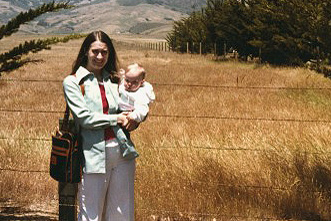
Below are three generations of photographs from my family, illustrating the importance of taking care of and preserving your photographs.

Pictured from top to bottom:  1. My Mom and Grandma;   2. Me and my Mom; and   3. Me and Biscuit.

Mom and Grandma

Mom and Me

IMG_3596 2


Happy Wednesday!

Snowy Biscuit!

Biscuit had another good weekend!  He accompanied us to dinner at a friend’s house Saturday night.  In a rush, I forgot my camera to capture his smile.  He was so happy to be out and about!  Although Biscuit was exhausted when we arrived home and he slept in until nearly 10:00am on Sunday morning!

Biscuit “played” in the remaining snow that we have left on the ground this weekend.  Below are a few photographs of Biscuit taken at dusk.  Enjoy!

IMG_4106 2

IMG_4100 3

How to Start an Animal Rescue

How to Start an Animal Rescue

Below are some tips to consider if you are contemplating embarking in this endeavor of beginning an animal rescue.  I am by no means an expert on this subject, but hope to provide a starting point for those interested in beginning an animal rescue.

Initial Considerations – The first step is determining what type of animal you want to rescue, and how many animals you can adequately provide care for in your home/facility.  As animal care is a twenty-four (24) hours a day, seven (7) days a week responsibility, you will likely need to enlist the help of either volunteers or full-time employees (or both).

You will need to create a name for your rescue, as well as designing a logo for advertising purposes.  Brochures and business cards will be useful advertisements and should feature your logo prominently.  You will also need to consider setting up a dedicated telephone line, post office box, and website to facilitate adoption efforts.

2.  Experience and Training – Even if you have extensive experience working with animals, it is wise to volunteer at local shelters or rescue organizations to learn how they operate.  A working knowledge of animal health, pet first aid, and pet CPR is beneficial.

3.  Location – It is important to check the zoning regulations for the land you plan to use for your rescue organization. Also, you must evaluate whether the structures on the land (if they are pre-existing) can be converted for your purposes, or if new construction will be necessary.

The home/facility needs to have sections available to separate dogs from cats, nursing mothers with offspring from the general population, small animals from large animals, and young animals from adults. Isolation areas are also necessary to quarantine new additions so any infectious diseases are not transmitted to healthy animals.

4.  Legal Considerations – If your rescue organization can qualify for non-profit status (also known as 501(c)3 tax exempt status), donors will be allowed to write off their contributions of money, food, and supplies. After completing the proper paperwork with the Internal Revenue Service (IRS) it can take roughly three to six months (or more) to obtain non-profit status.

Further, you should check into the licenses required by your city and state. You will likely need a business license, and some localities also require a kennel license.

It is important to have release forms drafted for use when an animal is dropped off or adopted.  It is also prudent to have volunteers or those providing a foster home to also sign a basic release form.

5.  Fund Raising and Donations A membership program can raise regular funds from animal lovers in the community. A website, blog, and e-mail newsletter should be available to your members to demonstrate what is being accomplished with their support. Be sure to send acknowledgements for donations received.

Other fundraising activities include applying for grants and endowments, hosting benefit events (dinner, fashion show, or art show), asking local animal businesses to keep a donation jar on their desk, seeking publicity from the media, and selling items such as tee shirts and hats featuring the rescue’s name and logo.

Donations of goods and services are often as important as financial contributions. Pet food companies may provide discounted or free bags of foot. Hotels may provide old bedding and towels for use in cages. Newspaper stands may donate unsold papers. Local pet photographers, like me, may agree to take photos of your animals for your web site or brochures.

6.  Veterinary Assistance Establishing a good relationship with a local veterinarian is critical. Many dogs and cats that are turned into rescue groups need spay and neuter services, basic vaccinations, and medication. Some vets may agree to discount the cost of medical services for rescue animals, or even do the work pro bono.

7.  Record Keeping Accurate records must be kept at all times. Donations should be carefully recorded for tax purposes. Detailed cage cards and files should be kept for each animal. All release and adoption forms should also be filed.

8.  Insurance You will need to obtain an insurance policy that covers liability and other needs. The coverage will protect you in the event that someone is bitten or injured by an animal or is otherwise injured on the premises.

9.  Coordinate with Other Rescues and Shelters – It is important to establish relationships with other shelters, humane societies, and animal control offices. Let them know what type of animals you will be willing to accept into your rescue program, and set up regular visits to check their populations for potential rescues.

10.  Additional Sources of Information –Information on starting a shelter may also be found at the website of the Humane Society of the United States (HSUS).

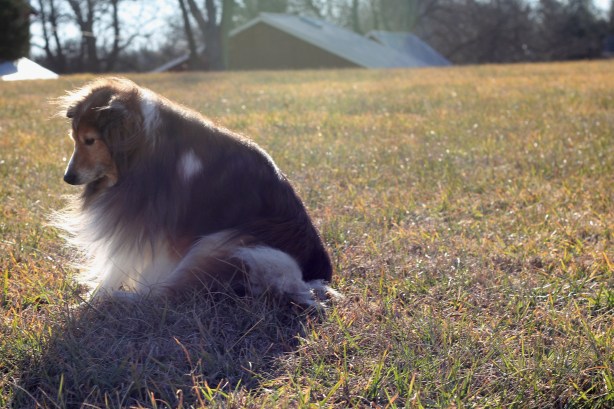
You can read first hand experience from Carol Guth, Sheltie Haven Sheltie Rescue, Inc., concerning her experiences running a dog rescue organization.  If it were not for the Sheltie Haven Sheltie Rescue, Inc., we are not sure what would have happened to Biscuit. The Sheltie Haven Sheltie Rescue, Inc. gave Biscuit a temporary home and a second chance until he was adopted.  We are so grateful that we met Biscuit!
IMG_3939 2

2013 Word of the Year: Create

“Your own words are the bricks and mortar of the dreams that you want to realize.  Your words are the greatest power you have.  The words that you choose and their use establish the life you experience.”  ~ Sonia Choquette


IMG_0512 3

One little word for 2013.  That is what I have been reflecting on over the past few weeks.  My one little word for the year, 2013, is Create.

Create didactic images.

Create new intentions.

Create new dreams.

Create opportunities for growth.

Create and be open to new possibilities.

Create balance.

Create a place for peace and refuge in our forthcoming home.

Create a Good Life.

cre·ate /kriˈeɪt/ [kree-eyt]  verb, cre·at·ed, cre·at·ing, adjective verb (used with object)

1. to cause to come into being, as something unique that would not naturally evolve or that is not made by ordinary processes.

2. to evolve from one’s own thought or imagination, as a work of art or an invention.

I really like this one little word concept.  The idea behind the one little word concept is to give yourself something to focus on throughout the year.  A single word can be a powerful thing.  It can be the ripple in the pond that changes everything.  It can be sharp and biting or rich, soft, and slow.

My one little word this year is create.  What do you do with this one little word?  You live with it.  You invite it into you life.  You let it speak to you.  You might even follow where it leads. There are so many possibilities.

This is the first year that I have selected one little word after reading about this concept.  After reading about this concept, the word, “create” immediately came to mind, and I decided that this would be my word this year.  I have written yearly goals in the past, and I still have written down my goals for this year, but I thought that I would try this approach and see where it leads, keeping the intention to create.

Also, if you are interested, check out this hand stamped jewelry by Lisa Leonard highlighting the one word concept!

What is your “one little word” for 2013?  What do you want to accomplish or focus on in the coming year?  I challenge you to create something, anything that will help you focus on your word in the coming year.

Guest Blog Post – Horseplay by Angie Kidd

My good friend, Angie Kidd, is a guest blogger today!  Angie and I met a little over eleven years ago during the summer before I entered law school.  We worked together at the Institute for Social Research at the University of Michigan, which turned out to be a really fun summer!  When we first met we talked frequently of our passions and aspirations.  Today, even though we live in different states, have each gone through many changes, we are able to discuss our passions, dreams, and aspirations together, as we did when we first met over eleven years ago.  Today, I am happy to have Angie share information on making art.  Also, please check out Angie’s blog entitled, Artwork and Musings by Angie Kidd!

Horseplay

My good friend Katie has been asking me if I’d like to do a guest post on her blog for a while now.  I’ve been putting off, mainly because I wasn’t sure what to write about.  Who am I kidding?  I was really thinking: am I qualified to talk as a professional on being an artist?  What would I say?  Then I gently reminded myself of section 2 of the book The War of Art.  I almost didn’t read that section because it was all about being a professional and I didn’t see myself as one yet.  The joke was on me.  When I actually started reading section 2, I realized I needed to see myself as a professional artist now, no matter what stage I was at.  The concept of “You, Inc.” really changed my way of thinking.  That said, I still need daily reminders.  I think most artists do.  It comes with the territory.

So where to begin?  Katie asked me recently if I felt like I’d made the right decision choosing to quit my day job in order to work from home and try to become a published children’s writer and illustrator.  She asked me if I felt like I was being true to myself now and if I felt like I was on the right path.  A loaded question.  I wasn’t sure how to respond.  There are days when I really question if I’m on the right path.  But who doesn’t?  Is there even such a thing as a right path anyway?  I’d like to think there is more than one path to getting where you need to be.  Despite this conundrum, there is one thing I can say for certain.  This is the first time in a long time where I’ve felt completely true to myself because I finally accepted myself for who I am, accepted my gifts, and am offering them up to the world, like it or not.  I’ve spent way too much time trying to do what I thought was right, or safe, or expected.  For once, I’m just being me and exploring the boundaries of myself more than I ever have before.  I hope that I am making progress, but I know that I can’t get bogged down with that.  I just have to focus on taking action and doing the work and let the universe figure out the rest.

If you are in any way like me, and trying to start up a new project or do what you always wanted to do, I’m sure you’ve hit some road blocks, many of which are self-created.  I can’t help you with all of them, but I can give you suggestions for how to deal with the self-created obstacles.

Step 1: See yourself as a professional.  We covered that.  Read the book — The War of Art!

Step 2: Start an affirmations page.  Think of all the times you completed a difficult task, all the times you received an award or other accomplishment (related to your new project or not).  Write down examples.  Think big and small.  Include any praise you’ve been given by teachers, friends, peers, and strangers.  Why?  Because our brains are wired to be focused on the negative.  All it takes is one negative comment to destroy our whole day or week, no matter how many other positive things have happened.  You have to learn to reframe your mind.  This is no easy task in the moment.  But if you carry around a tangible list that you can refer to every time the negative thoughts start creeping in, you can fight back and get back on track that much faster.  I find this list especially helpful after getting a critique on my writing or art from peers.

Step 3: Develop a mantra…or 2 or 3.  You might be asking: What’s a mantra?  On a basic level, it’s an affirmation or intention you repeat over and over to help you stay focused on your mission.  But be careful how you phrase it, because you will get what you wish for.  If you say, “I will be a doctor,” then who knows when it will happen.  If you say, “I am a doctor,” then you might find better results.  Nobody knows for sure why positive thinking works, only that it does.  Some believe it helps the universe draw you closer to what you want.  Others believe it simply helps you stay focused on what it is you want to achieve.  But research supports that staying positive does keep the happy chemicals in your brain flowing, which is what you want.  What are my mantras?  I like to keep some of them private, but here are a few favorites:

  • “My cup is empty”: This helps you let go of whatever you are hanging onto and embrace change.
  • “I’m investing in myself”: This is a good reminder for when you are worried about financial gain while pursuing your dream.
  • “A cheap apartment in NYC”: This is a new favorite and one that I picked up while reading about Elizabeth Gilbert, author of Eat, Pray, Love, on her website.  It’s a reminder that just like trying to become a writer or pursuing your dream, everyone wants to do it and only a few succeed.  On the other hand, everyone wants a cheap apartment in NYC and only a few exist, yet every day someone finds one.  It can happen.

Step 4: Experiment and play.  This is the most important.  It reminds us why we are doing this.  We’re usually trying to support a childhood dream.  But the child in all of us really just wants to play.  Get messy.  See what happens.  Try not to get caught up in the outcome, which is so easy to do.  It is okay to make big plans and imagine being rich and famous.  We all do.  But at the end of the day, it is how you feel about yourself while you’re doing what you’re doing and how you can help others during this process that counts.  If you aren’t having fun, if you aren’t able to laugh (especially at yourself), then why bother?

That being said, these steps aren’t made of stone.  They’re just my own personal building blocks so far in my creative journey.  If I can leave you with one single piece of advice it would be: TRY.

Below a painting done in blue calligraphy ink with chopsticks by Angie Kidd entitled, “Horseplay.”

Horseplay 3

Winter walks with Biscuit!

This past weekend the weather was gorgeous in the Baltimore – Washington, D.C. area.  The temperatures were in the 50s, very warm, considering it is January!  Doug and I wanted to take Biscuit out for some excursions since the weather was so nice outside, especially since during the winter months Biscuit cannot go to as many places with us due to the cooler weather.  We first tried taking Biscuit to a couple of local dog parks, as we thought it might be fun for Biscuit.  However, it did not go over well.  We learned that Biscuit cannot be swarmed by other dogs, that it is too much for him to take.  (Biscuit flashed his teeth when other dogs at the park got too close to him, in his space, letting us know that it was time to go!)  So, our plan B included taking Biscuit on a couple of long walks, and that worked much better!  Biscuit had a great time!

A few photographs from our walks this past weekend are shown below!  Enjoy!

IMG_3765 2


IMG_3775 2


IMG_3857 2


IMG_3858 2


IMG_3875 2


IMG_4041 2


IMG_3933 2


IMG_4013 2


IMG_3853 3


IMG_3837 3


Do you see our little family of three in shadow in the image above?

Featured: Dog Blog on OrvisNews.com

Today Biscuit is featured on the Dog Blog on OrvisNews.com  (also featured on Orvis’ Facebook page and Orvis’ Twitter page) highlighting and promoting Orvis’ commitment to dog rescue while highlighting Biscuit’s adventures to the Tysons Corner, Virginia Orvis Store and the Royal Oak, Michigan Orvis Store!

Thank you to Orvis for featuring Biscuit today!  You can read the Orvis blog post featuring Biscuit here.

Doug and I are very proud of Biscuit and he brightens our day every day!  We agree with Orvis that today is a time for Biscuit to shine!

Untitled-1

A closer look.

Untitled-5a

Untitled-5b

Why We Photograph

I really like this quote by Susan Sontag, author of On Photography, a book that I previously read.  “All photographs are memento mori.  To take a photograph is to participate in another person’s (or thing’s) mortality, vulnerability, mutability.  Precisely by slicing out this moment and freezing it, all photographs testify to time’s relentless melt.”

Creating photographs is very prevalent today with the easy access to cameras on telephones, ipads, and easy access to digital cameras, producing images instantly, for no monetary cost, with the ability to easily share images electronically.  Photography has very much changed since the invention of photography in the early 1800s, which is attributed to Nicephore Niepce.  As a result, people are most likely taking more photographs now, compared to earlier times, when it was more cumbersome, time intensive, and required a greater financial investment to take and produce photographs.

Whether called “photography as art” or documentation, the camera’s images are increasingly part of our shared experiences.  Our memory banks are filled with images that have a profound impact on us.  It is important to preserve not only highlights in our lives, but also the ordinary, fleeting moments.

I have been drawn to photography because it creates a record in time forever preserved (at least as long as the photograph is preserved and/or as long as the digital negative is preserved).

Photographs freeze a slice in time that we want to preserve.

Photographs help us remember various times in our lives and history.  See Dear Photograph for a neat perspective on photography – taking a picture of a picture, from the past, in the present.

Photographs allows one to create a body of art work.

Enjoy capturing and documenting what is important to you!


IMG_3656 2

Good Read: The Fifth Agreement

Recently, I finished reading The Fifth Agreement by Don Miguel Ruiz and Don Jose Ruiz.  Some time ago, I read The Four Agreements by Don Miguel Ruiz.  They are both good books.  The The Fifth Agreement is a fast, easy read with some very thought-provoking points.  The last half of the book really explains how to use the five agreements in your life.  This book gave advice for your day-to-day life that The Four Agreements does not include.

The Four Agreements are:

1. Be Impeccable with your Word
Speak with integrity.  Say only what you mean.  Avoid using the Word to speak against yourself or to gossip about others.  Use the power of your Word in the direction of truth and love.

2. Don’t Take Anything Personally
Nothing others do is because of you.  What others say and do is a projection of their own reality, their own dream. When you are immune to the opinions and actions of others, you won’t be the victim of needless suffering.

3. Don’t Make Assumptions
Find the courage to ask questions and to express what you really want.  Communicate with others as clearly as you can to avoid misunderstandings, sadness and drama.  With just this one agreement, you can completely transform your life.

4. Always Do Your Best
Your best is going to change from moment to moment; it will be different when you are healthy as opposed to sick. Under any circumstance, simply do your best, and you will avoid self-judgment, self-abuse, and regret.

These are wise words to live by.

In the The Fifth Agreement, the final agreement, is to Be skeptical, but learn to listen.    The Fifth Agreement prepares us to “return to our innate wisdom, and live our lives based on truth.”  The fifth agreement is ultimately about seeing our whole reality through the eyes of truth.  The result of practicing this agreement is the complete acceptance of ourselves just the way we are, and the complete acceptance of everybody else just the way they are.  The reward is our eternal happiness.

This book gives you an opportunity to change your  world view and obtain more peace.  I highly recommend this book to all!

IMG_1578 2