Skip to content

Posts from the ‘Photography’ Category

Biscuit – Winter Health Update

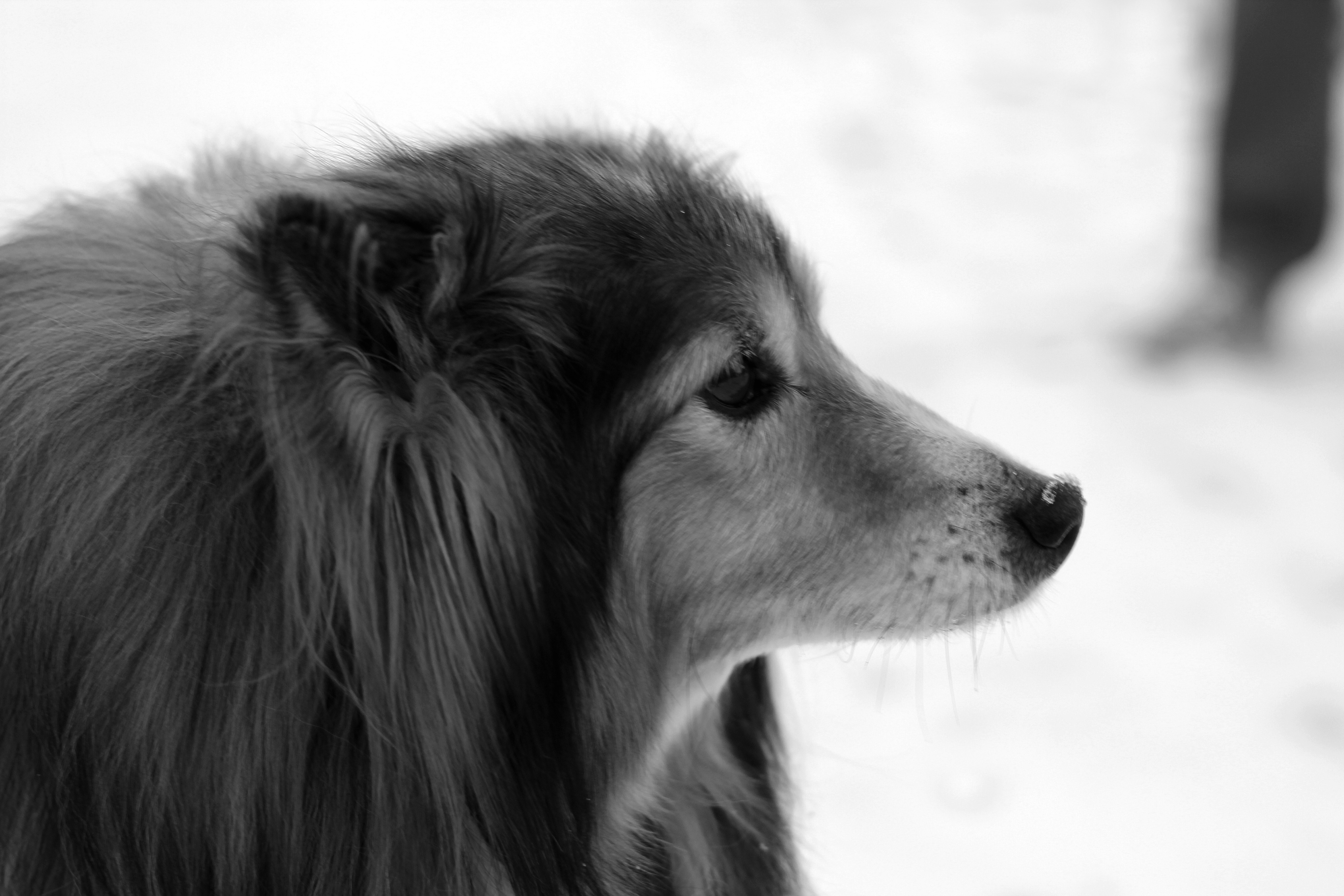
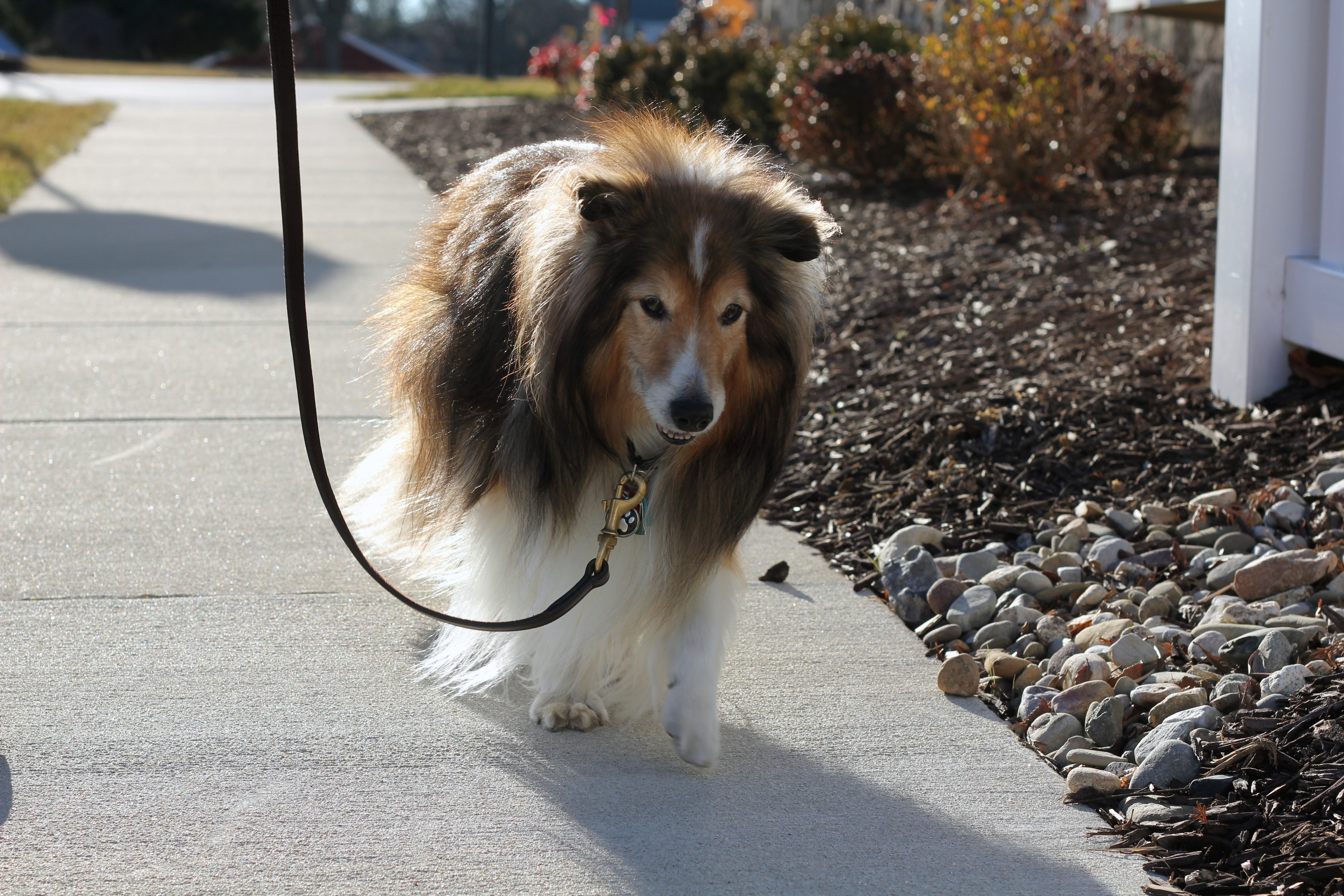
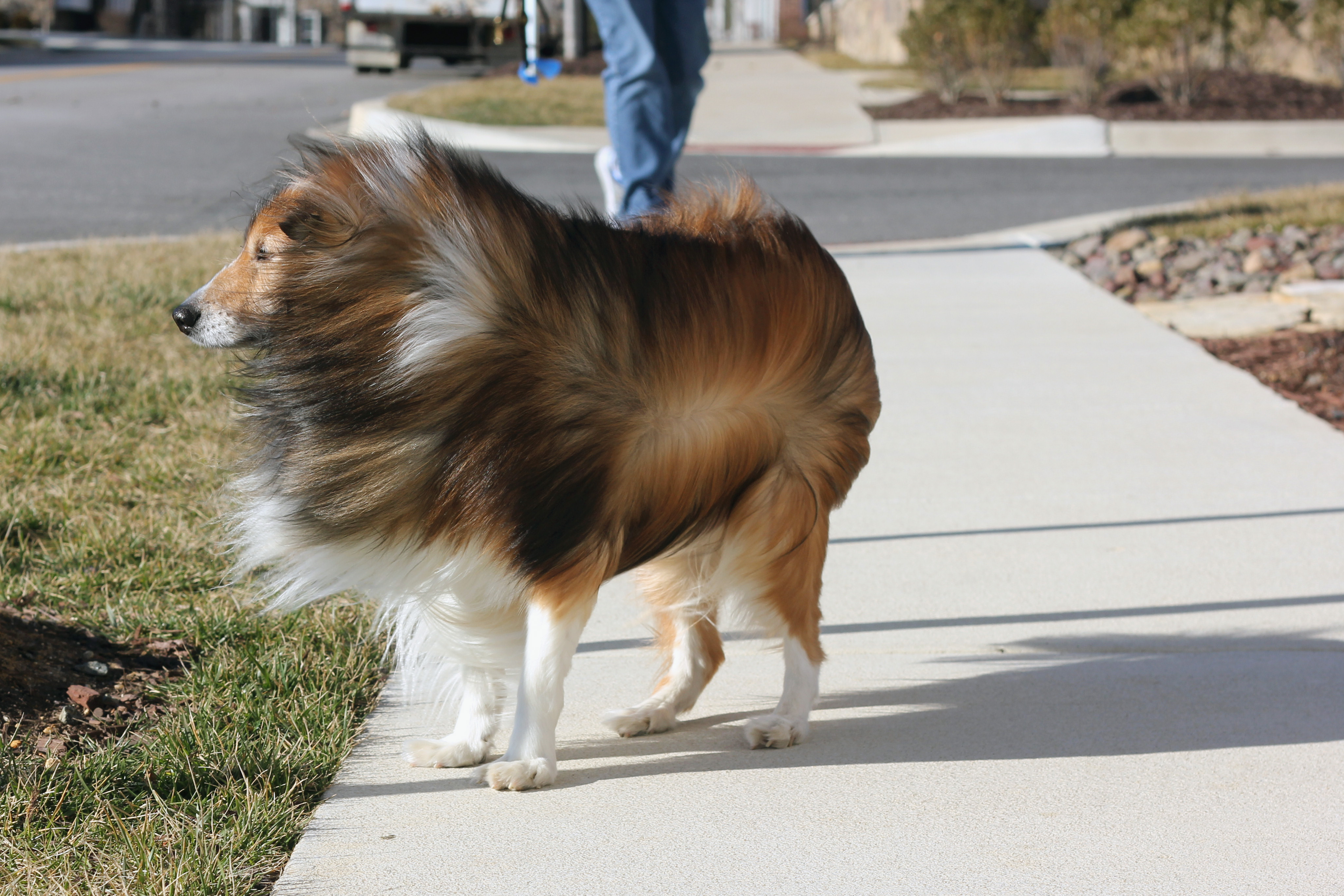
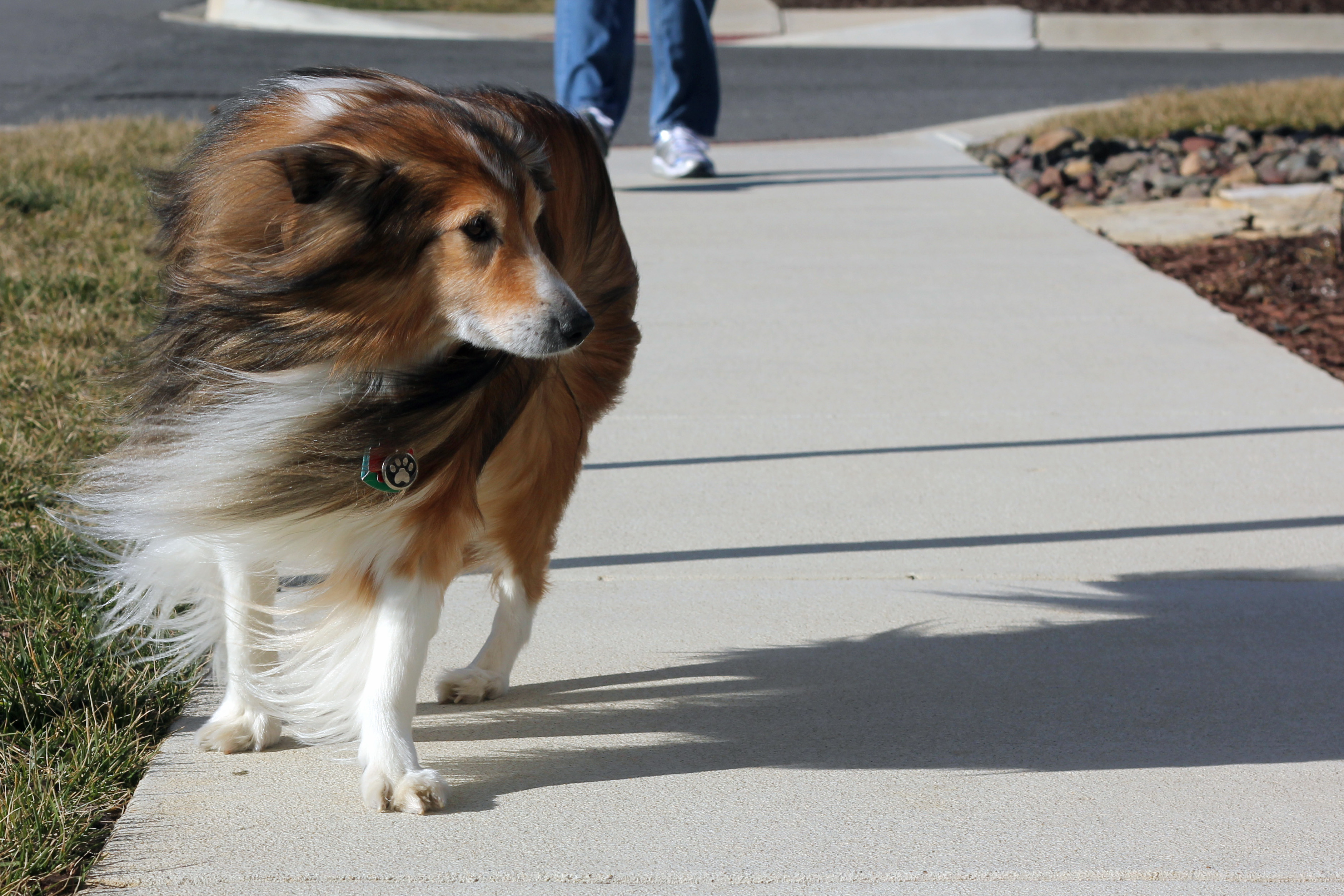
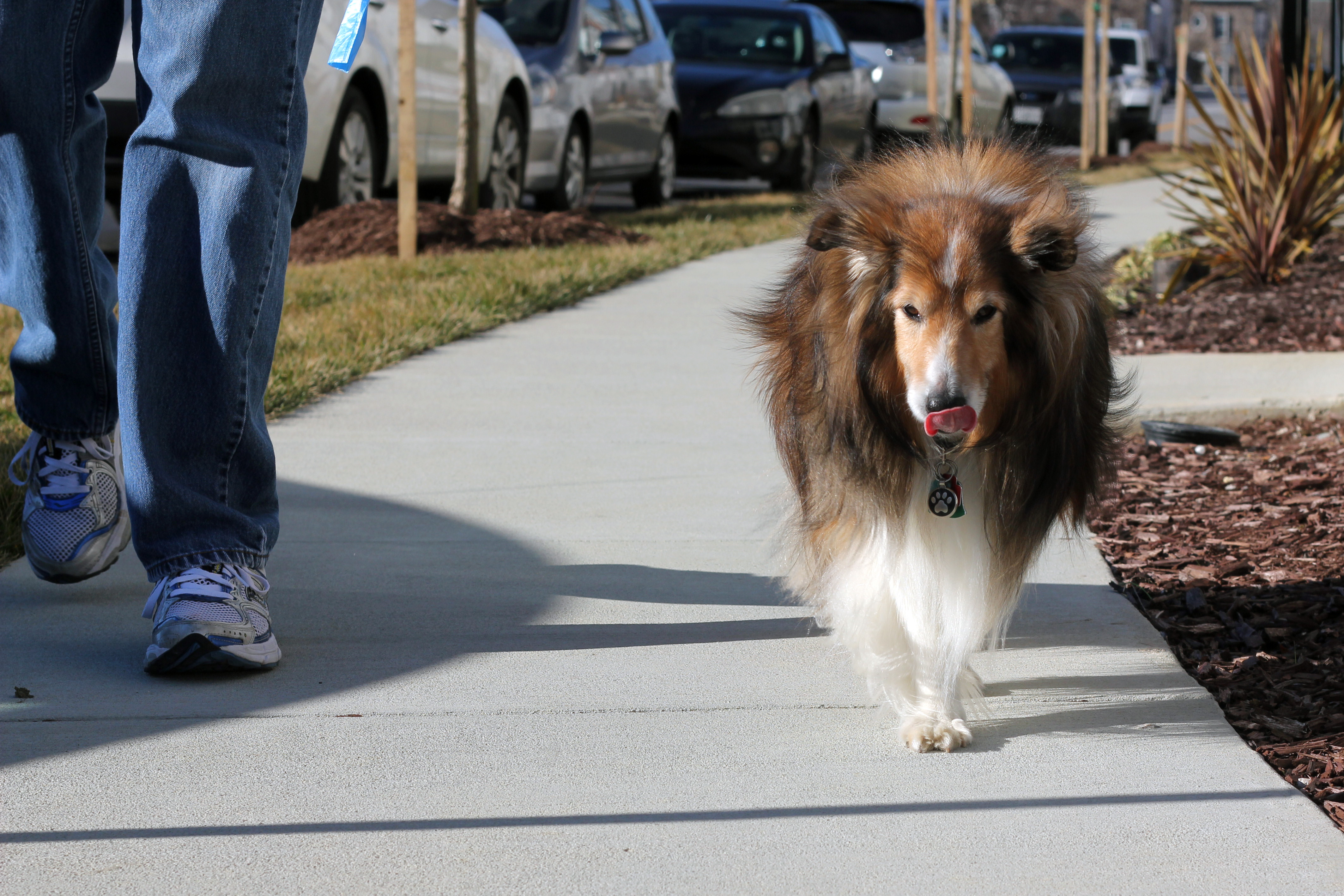
Below are some photographs of little Biscuit enjoying a winter walk!  Biscuit is doing well.  Although, we are still battling a staph infection in his left ear.  We have him on medicine, and hope that it will clear up his infection.  We have a follow-up appointment with the vet soon to make sure the medicine is helping his ear.  Otherwise, Biscuit is in good spirits!

Happy Friday!

IMG_4127 3

IMG_4134 2

IMG_4157 3

How to Preserve Your Photographs

How to Preserve Your Photographs

Photographs are some of the most treasured family heirlooms.  Family collections often contain a wealth of images capturing everyday life, significant events, and special memories.  In the history of photography, many different types of materials have been used to create photographs, and family collections often represent a fascinating variety of black and white color processes.  Most black and white photographs are composed of silver particles suspended in a protective gelatin binder or emulsion, which is coated on a paper support.  Color photographs employ dyes to produce the image.  Many formats are found in family collections, from small snapshots to large, mounted portraits.

Because photographs are made from a variety of sensitive materials, they are easily damaged and may not survive to pass on to future generations if improperly stored, displayed, and handled.  Photographs are best preserved by handling them with care, providing a good storage environment and by using good quality enclosures.

However, even though we presently live in a digital age, and we may not as often have prints made as in the past, it is important to properly care for your photographs and negatives to ensure proper preservation.  Taking care of your photographs is very similar to taking care of a work of art.  I hope that you find this information helpful to preserve your special photographs to share with future generations for years to come.


General Care and Handling of Photographs

Taking care when handling any collection item is one of the more effective, cost-efficient, and easily achieved preservation measures.  Take proper care when handling photographic materials by:

  • Having clean hands and wearing 100% cotton gloves;
  • Keeping the photographs in a clear area;
  • Keeping food and drink away;
  • Not marking photographs, even on the back side;
  • Avoiding paper clips or other fasteners to mark or organize prints; and
  • Not using rubber bands, self-adhesive tape, and/or glue on photographic materials


General Guidelines for the Proper Storage of Photographs

Good storage is arguably the most important preservation measure for photographic materials:

  • A relatively dry (30-40% relative humidity) and cool (room temperature or below), clean, and stable environment (avoid attics, basements, and other locations with high risk of leaks and environmental extremes).
  • relative humidity is the single most important factor in preserving most photographic materials;
  • For contemporary color photographs, however, temperature is the controlling factor affecting stability.  Storage at low temperatures (40°F or below) is recommended.
  • Minimal exposure to all kinds of light; and no exposure to direct or intense light;
  • Distance from radiators and vents;
  • Minimal exposure to industrial (particularly sulfur-containing) atmospheric pollutants;
  • Protective enclosures within a box.  Appropriate enclosures for cold storage are available from various vendors.  Suitable protective enclosures for photographic materials are made of plastic or paper that meet certain specifications:
  1. Paper enclosures must be acid-free, lignin-free, and are available in both alkaline buffered (pH 8.5) and unbuffered (neutral, pH 7) stock.  Storage materials must pass the ANSI Photographic Activity Test (PAT), which is noted in supplier’s catalogs.  Buffered paper enclosures are recommended for brittle prints that have been mounted onto poor quality secondary supports and for deteriorated film-base negatives.  Buffered enclosures are not recommended for contemporary color materials. Paper enclosures minimize unnecessary light exposure; are porous; easy to label with pencil; and are relatively inexpensive.
  2. Suitable plastic enclosures are made of uncoated polyester film, uncoated cellulose triacetate, polyethylene, and polypropylene. Note: Photographic emulsions may stick to the slick plastic surfaces of these storage materials at high relative humidity (RH). Plastic enclosures must not be used for glass plate, nitrate, or acetate-based negatives.
  • Store all prints and negatives (whether matted or in paper or plastic enclosures) in acid-free boxes.  If possible, keep negatives separate from print materials.  Store color transparencies/slides in acid-free or metal boxes with a baked-on enamel finish or in polypropylene slide pages;
  • Prints of historic value should be matted with acid-free rag or museum board for protection.  Adhesives should not touch the print. Matting should be done by an experienced framer or under the direction of a conservator;
  • Protect cased photographs (e.g., daguerreotypes, ambrotypes, and tintypes) in acid-free paper envelopes and store flat; keep loose tintypes in polyester sleeves, or, if flaking is present, in paper enclosures; and
  • Storage of family photographs in albums is often desirable and many commercially available albums use archival-quality materials.  Avoid albums with colored pages and “magnetic” or “no stick” albums.


Matting and Framing

Photographs chosen to be framed should be matted to museum standards.  Conservation or museum quality mat boards, photo corners, and UV-filtered plexiglas are recommended.  Photographs should be matted to prevent direct contact with the frame or glazing.  Avoid pressure sensitive tapes, rubber cement, and glues with securing photographs in mats.  Older mats and frames should be carefully examined and photographs removed if mats or frames are poor quality.  Seek assistance from a qualified framer or conservator before removing photographs from old mats and frames.  It is also a good idea to consult a qualified and competent framer when you are framing your images.  James L. Pierce Custom and Fine Art Framing is located in Maryland, but services galleries and museums nationwide.


Digital Imaging

Scanning photographs is a popular way to provide greater access to the images and share them widely with family and friends.  Older photographs may be brittle and have fragile surfaces so exercise care while scanning to avoid damage.


Dealing with Condition Problems

For condition problems that are insufficiently addressed by the measures outlined above, conservation treatment by a photograph conservator may be necessary.

The national professional association for conservators, the American Institute for Conservation of Historic and Artistic Works (AIC) , maintains an online directory for finding a conservator by specialty and geographic location and provides information on how to choose a conservator. In addition, AIC also offers guidelines for the care of collections beyond library materials.


My Family Photographs

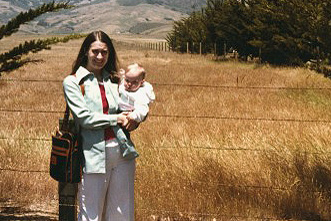
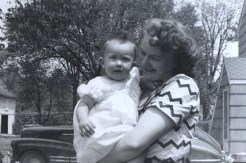
Below are three generations of photographs from my family, illustrating the importance of taking care of and preserving your photographs.

Pictured from top to bottom:  1. My Mom and Grandma;   2. Me and my Mom; and   3. Me and Biscuit.
Mom and Grandma

Mom and Me

IMG_3596 2


Happy Wednesday!

Snowy Biscuit!

Biscuit had another good weekend!  He accompanied us to dinner at a friend’s house Saturday night.  In a rush, I forgot my camera to capture his smile.  He was so happy to be out and about!  Although Biscuit was exhausted when we arrived home and he slept in until nearly 10:00am on Sunday morning!

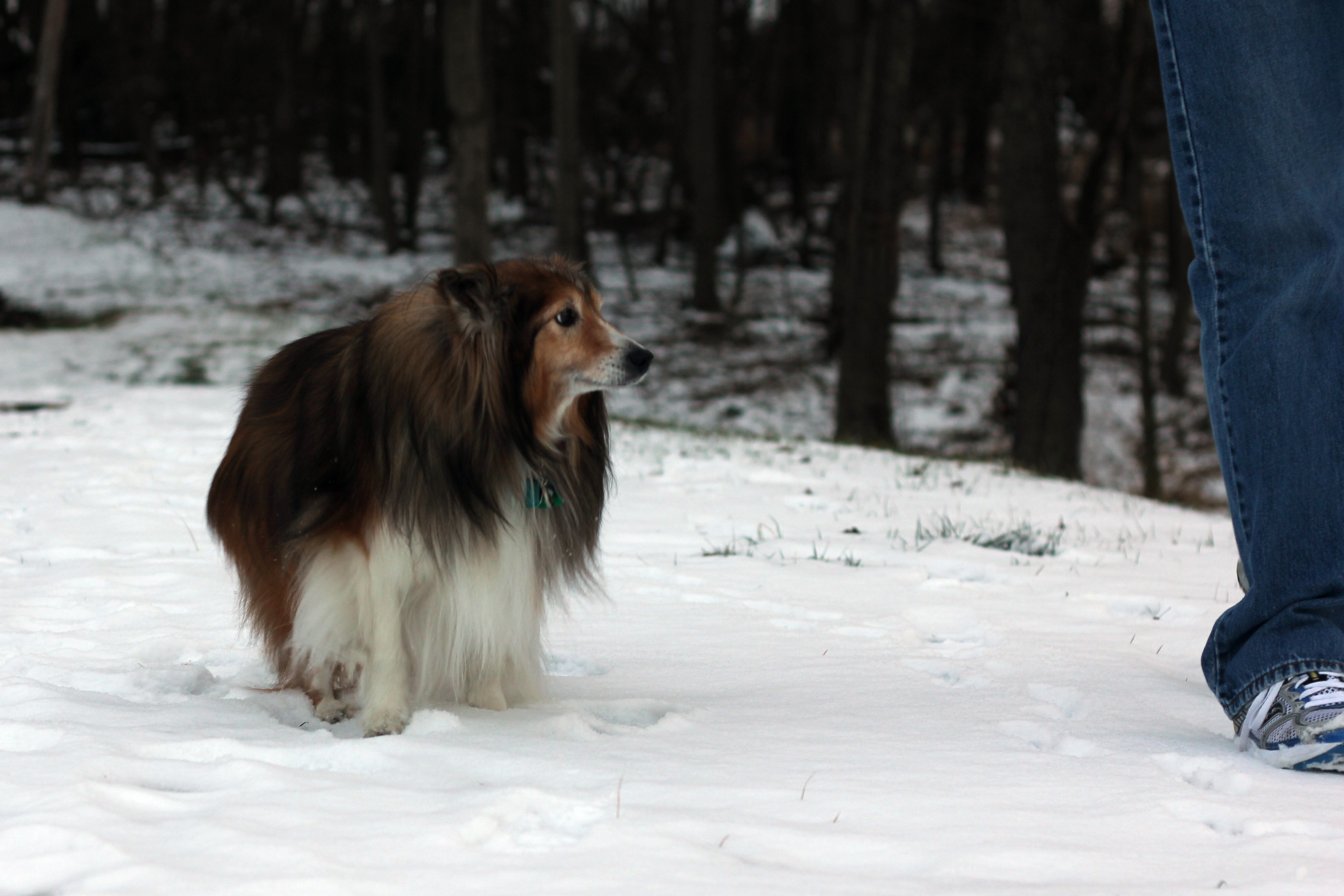
Biscuit “played” in the remaining snow that we have left on the ground this weekend.  Below are a few photographs of Biscuit taken at dusk.  Enjoy!

IMG_4106 2

IMG_4100 3

Winter walks with Biscuit!

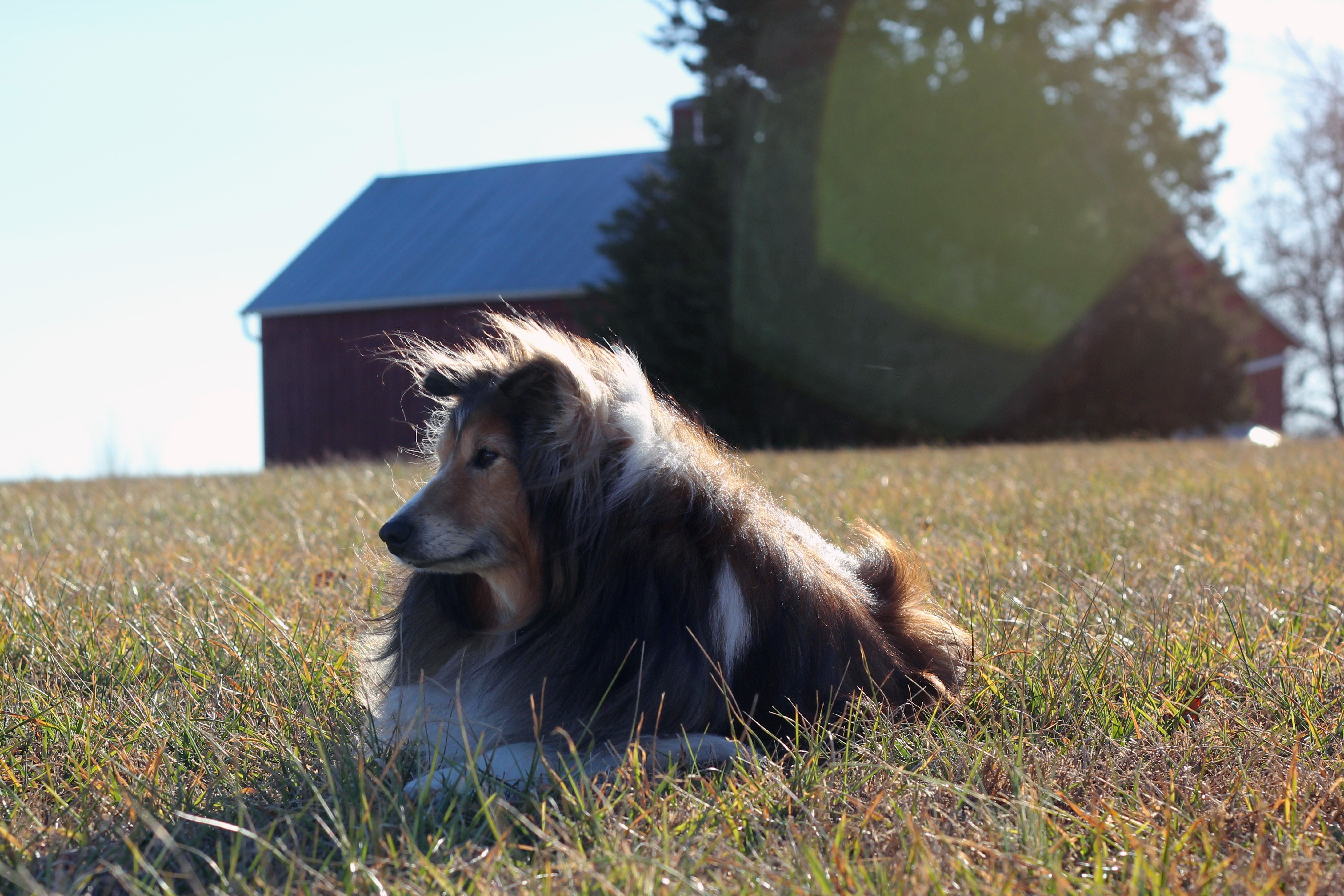
This past weekend the weather was gorgeous in the Baltimore – Washington, D.C. area.  The temperatures were in the 50s, very warm, considering it is January!  Doug and I wanted to take Biscuit out for some excursions since the weather was so nice outside, especially since during the winter months Biscuit cannot go to as many places with us due to the cooler weather.  We first tried taking Biscuit to a couple of local dog parks, as we thought it might be fun for Biscuit.  However, it did not go over well.  We learned that Biscuit cannot be swarmed by other dogs, that it is too much for him to take.  (Biscuit flashed his teeth when other dogs at the park got too close to him, in his space, letting us know that it was time to go!)  So, our plan B included taking Biscuit on a couple of long walks, and that worked much better!  Biscuit had a great time!

A few photographs from our walks this past weekend are shown below!  Enjoy!

IMG_3765 2


IMG_3775 2


IMG_3857 2


IMG_3858 2


IMG_3875 2


IMG_4041 2


IMG_3933 2


IMG_4013 2


IMG_3853 3


IMG_3837 3


Do you see our little family of three in shadow in the image above?

Featured: Dog Blog on OrvisNews.com

Today Biscuit is featured on the Dog Blog on OrvisNews.com  (also featured on Orvis’ Facebook page and Orvis’ Twitter page) highlighting and promoting Orvis’ commitment to dog rescue while highlighting Biscuit’s adventures to the Tysons Corner, Virginia Orvis Store and the Royal Oak, Michigan Orvis Store!

Thank you to Orvis for featuring Biscuit today!  You can read the Orvis blog post featuring Biscuit here.

Doug and I are very proud of Biscuit and he brightens our day every day!  We agree with Orvis that today is a time for Biscuit to shine!

Untitled-1

A closer look.

Untitled-5a

Untitled-5b

Why We Photograph

I really like this quote by Susan Sontag, author of On Photography, a book that I previously read.  “All photographs are memento mori.  To take a photograph is to participate in another person’s (or thing’s) mortality, vulnerability, mutability.  Precisely by slicing out this moment and freezing it, all photographs testify to time’s relentless melt.”

Creating photographs is very prevalent today with the easy access to cameras on telephones, ipads, and easy access to digital cameras, producing images instantly, for no monetary cost, with the ability to easily share images electronically.  Photography has very much changed since the invention of photography in the early 1800s, which is attributed to Nicephore Niepce.  As a result, people are most likely taking more photographs now, compared to earlier times, when it was more cumbersome, time intensive, and required a greater financial investment to take and produce photographs.

Whether called “photography as art” or documentation, the camera’s images are increasingly part of our shared experiences.  Our memory banks are filled with images that have a profound impact on us.  It is important to preserve not only highlights in our lives, but also the ordinary, fleeting moments.

I have been drawn to photography because it creates a record in time forever preserved (at least as long as the photograph is preserved and/or as long as the digital negative is preserved).

Photographs freeze a slice in time that we want to preserve.

Photographs help us remember various times in our lives and history.  See Dear Photograph for a neat perspective on photography – taking a picture of a picture, from the past, in the present.

Photographs allows one to create a body of art work.

Enjoy capturing and documenting what is important to you!


IMG_3656 2

Biscuit after his Holiday travels!

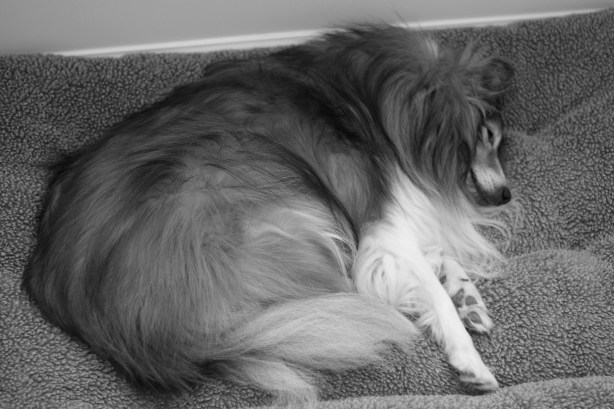
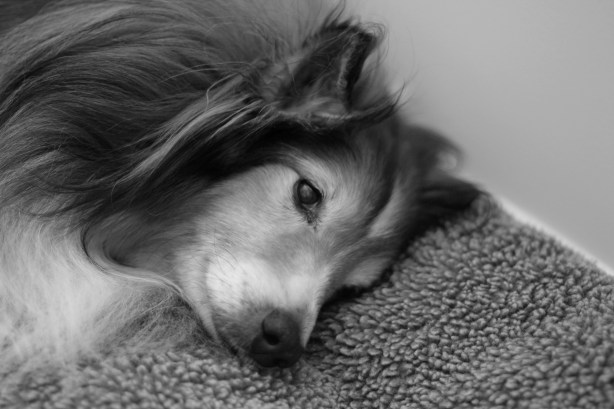
Biscuit is recovering after all of his Holiday travels!  He slept the entire ride home!  He has been sleeping a lot at home as well.  However, Biscuit is beginning to get back into his routine as are we!

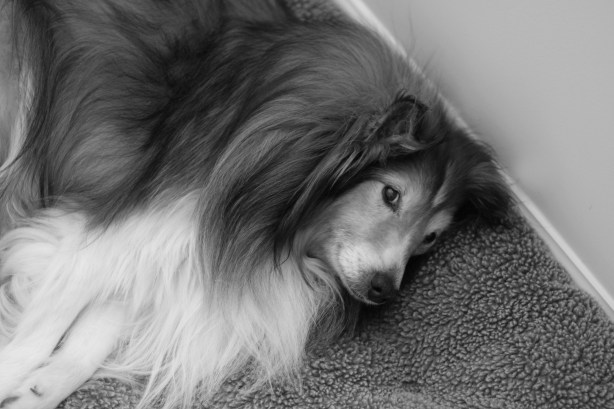
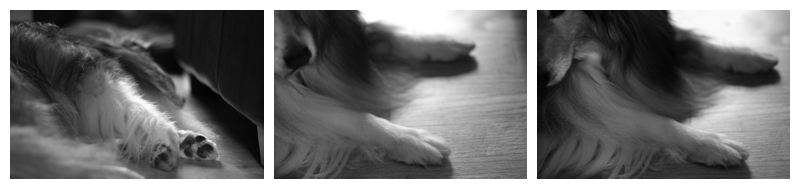
Here are a few photographs of a resting Biscuit!

IMG_3675 3

IMG_3659 3

IMG_3656 3

Katherine Carver Photography – Portrait Commissions

Fine Art Photography Portrait Commissions – Katherine Carver Photography

I am happy to share more detailed information relating to my portrait photography sessions that are available for anyone who wishes to capture his/her furry family member(s) in an artistic manner creating images preserving fleeting moments that would otherwise remain unseen.

My goal is to record the unique personalities and signature physical attributes of the animals that I photograph.  I believe those who hire me are actively searching for a distinctive fine art documentary approach to capture the heart and soul of their cherished furry family member(s).

Please see the following link for further detailed information concerning commissions.  Katherine Carver Photography Brochure.

Please visit my website at www.katherinecarverphotography.com.


Screen Shot 2013-08-02 at 11.50.19 AMcropped 3


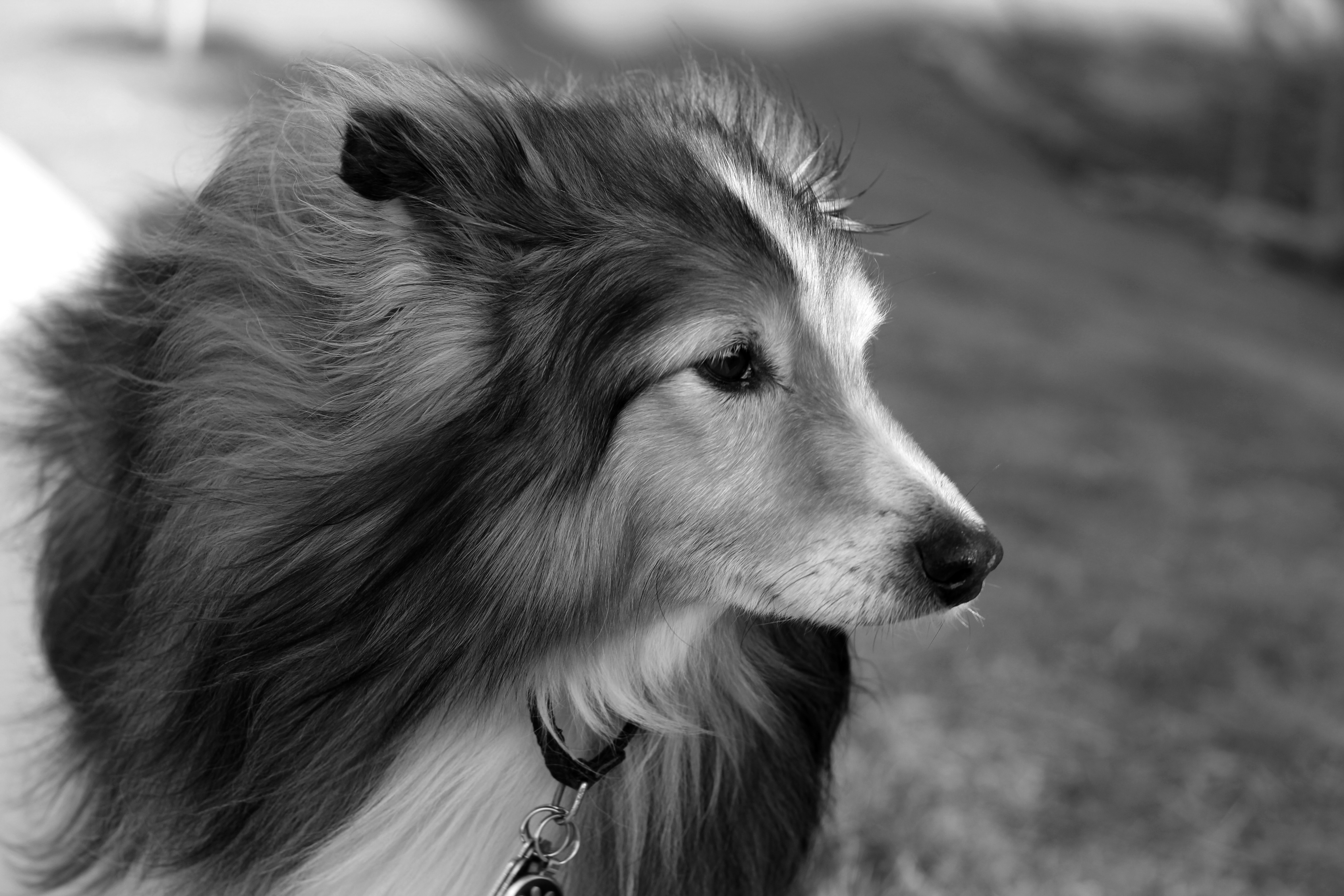
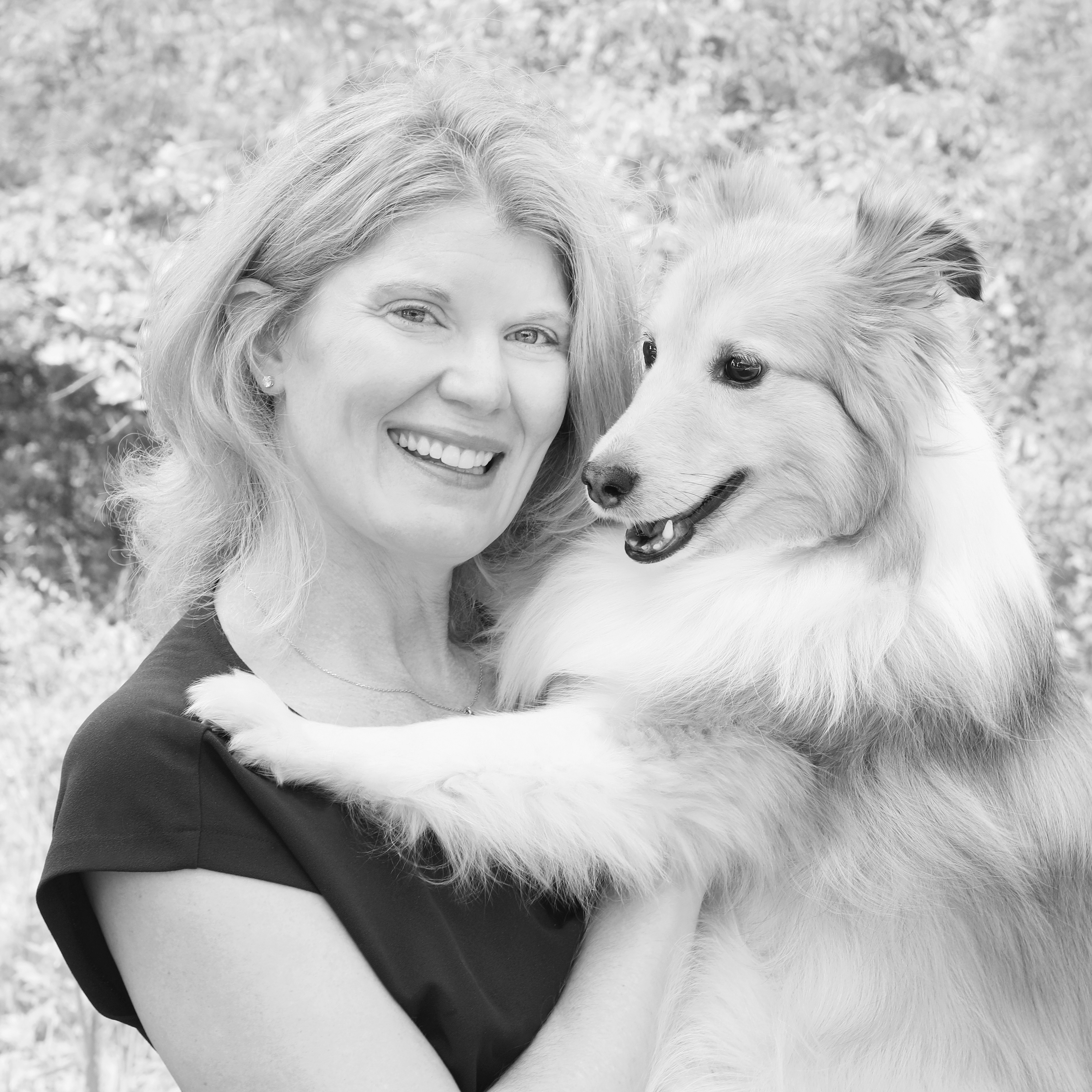
I am a freelance fine art photographer based in the Baltimore, Maryland and Washington, D.C. area. I grew up in the Midwest and I was first introduced to photography in high school, and I completed several photography courses during college. Law school brought me to the East Coast, where I met my wonderful husband, Doug. Together, we adopted our beloved Biscuit, a rescue Shetland Sheepdog, shown above and throughout this blog.

Biscuit was the inspiration for establishing Katherine Carver Photography. Biscuit awakened a desire to carry my camera everywhere – creating images that preserve fleeting moments that chronicle Biscuit’s story forever.

I am the happiest behind my camera creating photographs of animals that reveal their individual spirits; recording another realm that would otherwise remain unseen.

My goal is to record the unique personalities and signature physical attributes of the animals that I photograph. I believe those who hire me are actively searching for an alternative fine art documentary approach to capture the heart and soul of their cherished furry family member(s).

I am an ardent advocate of animal rescue and adoption, and I donate my photography services to my local animal shelter.

“I really believe there are things nobody would see if I did not photograph them.”
-Diane Arbus

Another Biscuit Sighting!

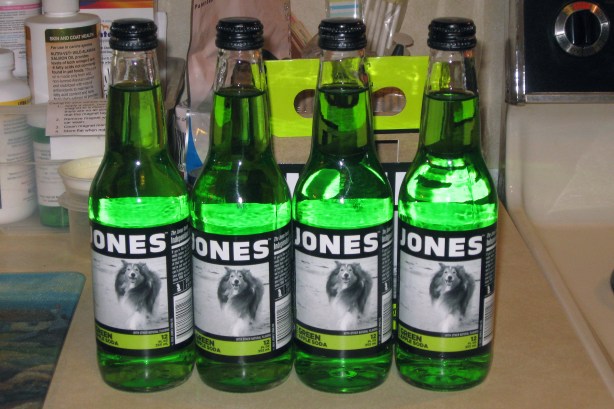
Below is a photograph of another Biscuit sighting from a blog follower!  

The photograph below features little Biscuit running on the beach in Nova Scotia appearing on Jones Soda Co. bottles!

Please contact me if you have spotted Biscuit on Jones Soda!

010 (2)

Biscuit’s visit to the Royal Oak, Michigan Orvis Store

Somewhat recently we discovered that Biscuit was appearing in Orvis stores around the country in connection with the Orvis Petfinder Commitment, promoting dog rescue.  Over the holidays we visited Michigan.  Below are some photographs of Biscuit with his poster at the Royal Oak, Michigan Orvis store.

In early October 2012, we took Biscuit to the Tysons Corner Orvis store located in northern Virginia.  You can view photographs from that visit here.

IMG_3574 3

IMG_3593 3