Skip to content

Posts from the ‘Interviews’ Category

Interview with Anna Dibble, Artist

Interview with Anna Dibble, Artist
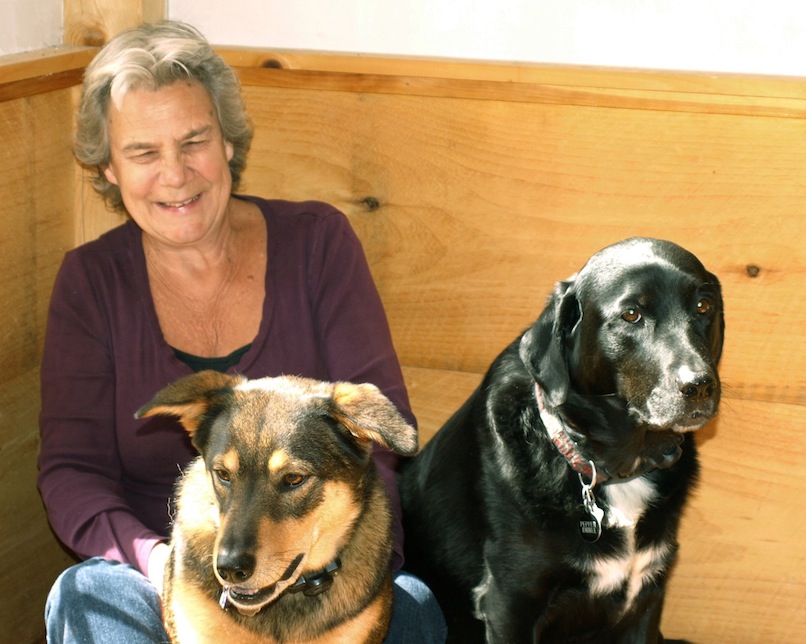
OLYMPUS DIGITAL CAMERA

Photo Credit: Gisela Gamper.

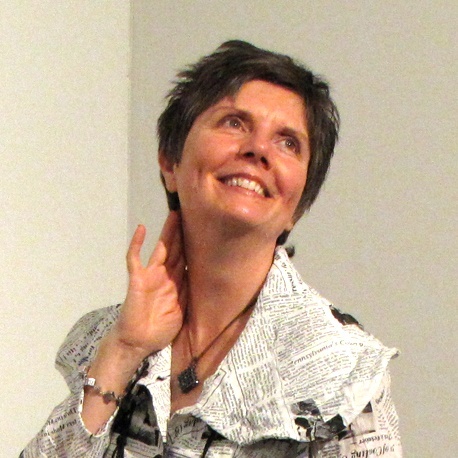
Recently, I had the opportunity and pleasure of interviewing Anna Dibble, an artist living in Peru, Vermont.  Anna Dibble paints and illustrates dogs and other animals.  A selection of Anna Dibble’s work is displayed below.  Please visit Anna Dibble’s website to view more of her wonderful work!  Anna also does commissions upon request.
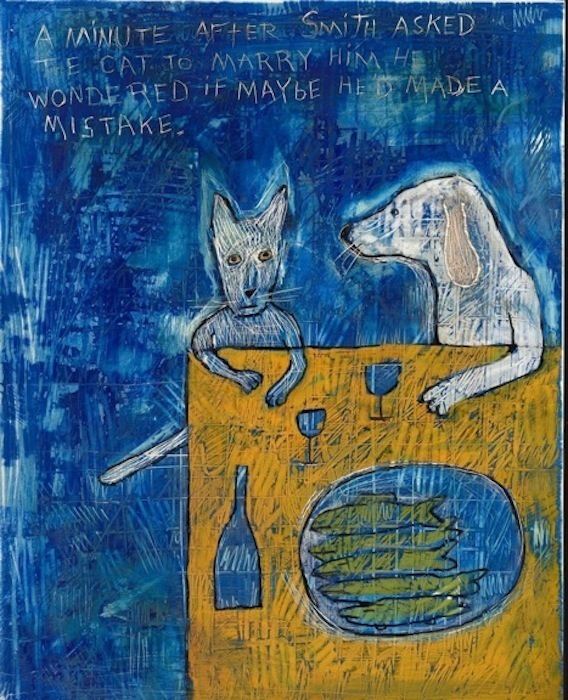
DibbDubious copy 1

“Dubious Proposal”  8 inch x 10 inch Casein & Ink

KATHERINE CARVER: What were your beginnings as an artist and when did you realize it would become your chosen form of expression?

ANNA DIBBLE:  My father, grandfather, great aunt, and an uncle who died in the Second World War were all painters.   I drew and painted a lot as a child and because of family encouragement my life in the arts simply evolved.  When I was a kid I assumed I would always be a writer and a draw-er and a painter.  The only other career that appealed to me was the idea of being a Veterinarian, though I would have never had the needed particular discipline for that.


KATHERINE CARVER: Did you study art formally?

ANNA DIBBLE:  In Vermont, when I was in my early 20s, I studied with a mentor/teacher named Lothar Wuerslin at a community college.   I continued taking many courses through the years, but never went to art school.  In fact I had terrible, discouraging art teachers in high school and college! 

 DibbIris&Percy 2

“Iris & Percy”  8 inch x 10 inch Oil & Wax

KATHERINE CARVER: How do you describe your style?

ANNA DIBBLE:  Contemporary.


KATHERINE CARVER: Can you describe the time when you first realized that creating art was absolutely something that you had to do?

ANNA DIBBLE:  As I said above, there was no exact light bulb moment.  I just followed my instinct without thinking about it very much.  Later, I thought about it a lot.  But not at first.


KATHERINE CARVER: Where have you previously worked as an artist?  How did your current company, DibbleDog, come into existence?

ANNA DIBBLE:  Most artists in our society wear many hats.  In other Western cultures artists are given more government support, in a variety of ways.  In the USA we are on our own, and have to learn the hard way.  In my case I’ve done illustrations and writing for magazines and newspapers, designed and constructed sets for plays and operas, worked in art departments of animation companies in LA, SF, NYC, written and co-designed animation pieces for Sesame Street, taught children and adults in many mediums, designed a line of t-shirts, notecards, licensed characters, and shown my work in galleries in the Northeast.  DibbleDog is simply the trademarked umbrella for my LLC that covers my gallery work, writing, and any commercial work I might have to do.
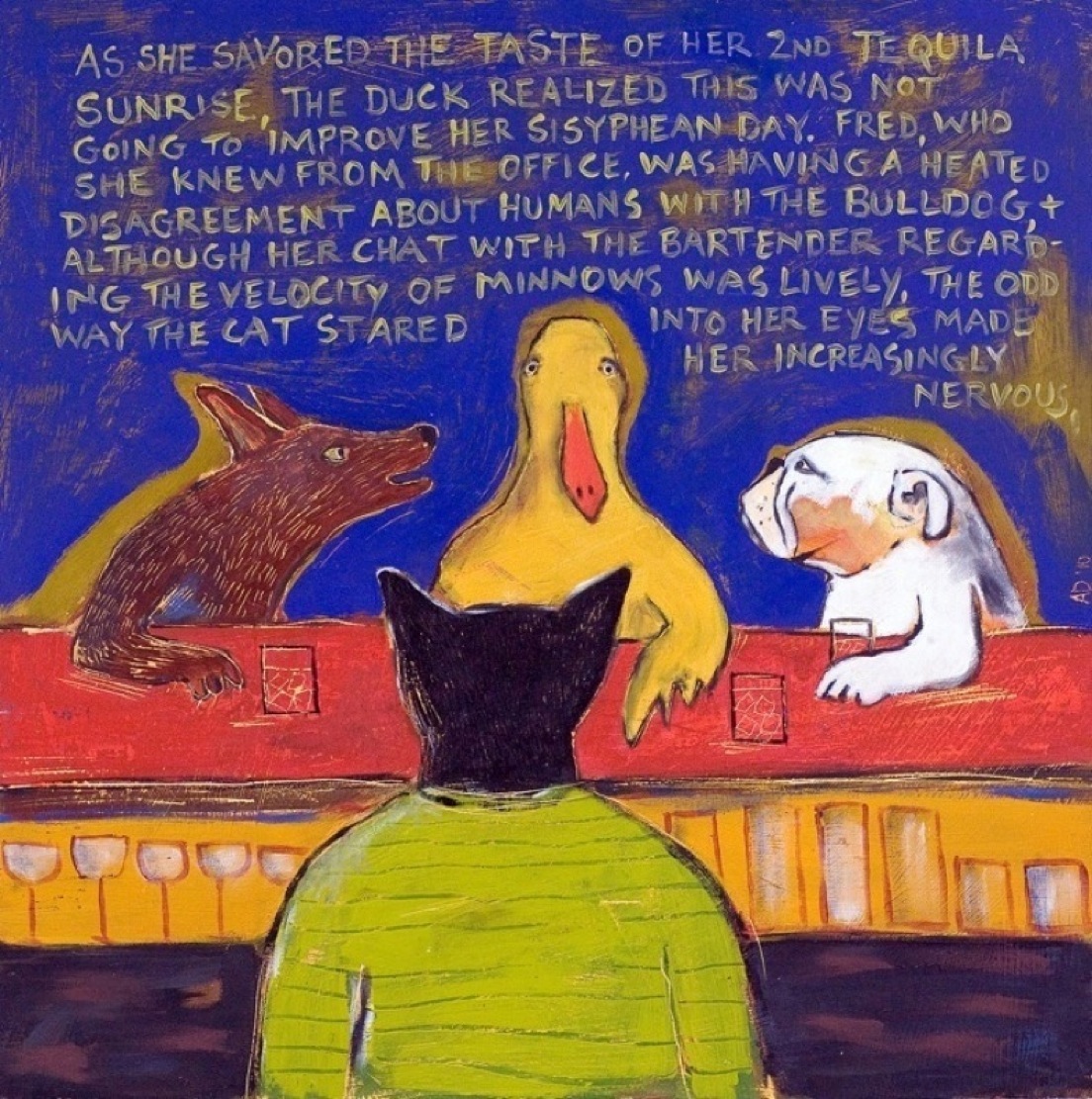
 DibbleA3 3

“Her Sisyphean Day”  36 inch x 36 inch Oil & Wax

KATHERINE CARVER: What was the impetus that inspired you to begin painting dogs and other animals?

ANNA DIBBLE:  I grew up in a rural Vermont village and our family lived with an evolving menagerie of dogs, cats, wild birds, rabbits, mice, amphibians, reptiles, skunks, a porcupine, and raccoons.  I camped and fished, and almost lived in the woods.  My father was a naturalist, and taught me a lot about the wildlife in our lives.  Most children innately connect with the other animals, but lose that interest as they age.  That has never happened to me.


KATHERINE CARVER: How have your own dogs influenced your artwork?

ANNA DIBBLE:  I have always drawn and painted various animals, but I began focusing more specifically on dogs when my husband and I adopted Pepper, a female black Lab mix – 7 and a half years ago.  I have never actually painted her – the dogs in my paintings are fictional, but her presence and then the arrival of a second dog, a mutt named Radar, changed the subject matter in the paintings for awhile.


KATHERINE CARVER: Where do you show/exhibit your work?

ANNA DIBBLE:  I recently had a show at the Sarah Doyle Gallery at Brown University in Providence, RI.  I have shown in galleries throughout the northeast.  Currently my main gallery is the West Branch Gallery in Stowe, Vermont.  I also always have work at the Edgewater Gallery in Middlebury, Vermont.
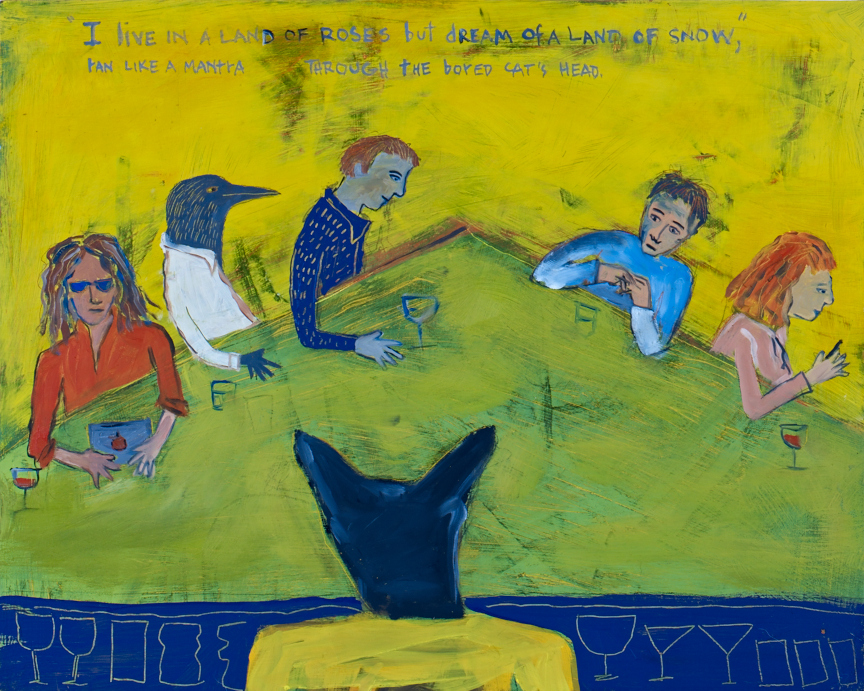
 DibbleBartender 4

“The Bartender’s Lament”  16 inch x 20 inch Oil & Wax

KATHERINE CARVER: What does “being creative” mean to you?

ANNA DIBBLE:  I really do not like what has happened to the word ‘creative’.  As with many words, this word has been overused in such a huge variety of mostly bad commercial ways, that it no longer has the true meaning it once had as a word.  I haven’t yet found a word to replace it.   The old meaning – to me – meant making things out of nothing, and out of anything.  Making things that come from a person’s imagination, past, present, future – and attempting to not be influenced by other people’s ways of thinking, being, imagining.  It is a hands- on search for self.


KATHERINE CARVER: What is the most challenging aspect of being an artist?

ANNA DIBBLE:  To be true to yourself in your work, without being influenced by the need or desire to make money. 


KATHERINE CARVER: What inspires you to keep going and what keeps you motivated?  

ANNA DIBBLE:  If I am not painting or writing I am uncomfortable with myself.  I think the work itself inspires me.
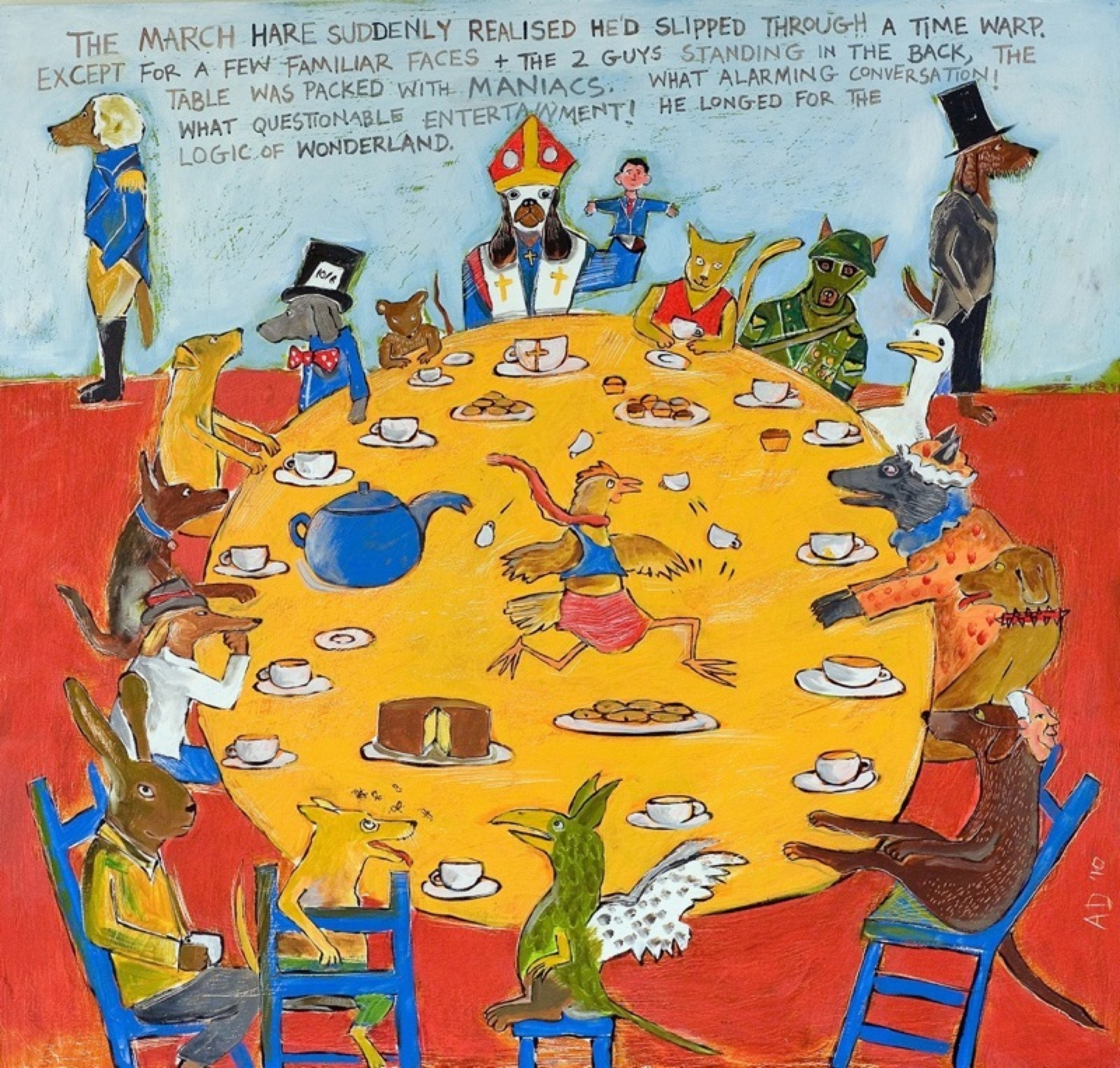
 DibbleJabberwhacky 5

Jabberwhacky” (Tea Party Series)  30 inch x 40 inch Oil & Wax

KATHERINE CARVER: What is the most rewarding and satisfying part about being an artist and creating art?

ANNA DIBBLE:  The mysterious part, the discoveries, the magic, and the great feeling of gratitude that I am very good at this, and I will always have that, and be able to do it, even when I’m very old.  I’m a fortunate person in many ways.


KATHERINE CARVER: What kind of patterns, rituals, and routines do you have while making your art?

ANNA DIBBLE:  The Paris Review question.  With painting I have to do prep work – layering under colors on the wooden panels, mixing colors and getting them right, cleaning brushes.  I have a lot of reference material I use in odd ways – pin to the wall, glance at a line in someone else’s painting I tore out of an art magazine, old drawings and sketches I keep near my easel or work table, open books with paintings by Joan Brown, Mark Rothko, Bonnard, David Smith’s sculptures, etc.  Never for copying – just getting into the feeling/voice I’m aiming for in an unconscious way.  So I fiddle around a lot before getting to work, and sometimes even as I’m working.   I do this with writing too.


KATHERINE CARVER: Looking back on your accomplishments, to date, what are you the most proud of?

ANNA DIBBLE:  Nothing specific.  I guess I’m most proud of the fact I have somehow –  and I have no idea in the slightest how this happened –  worked hard enough at painting and writing during the last 40 odd years to feel that now I am good at it – never good enough – years ahead to keep getting better, but  I like a lot of what I end up doing on the boards and the papers, and on the screen.   And that was not true for many decades.
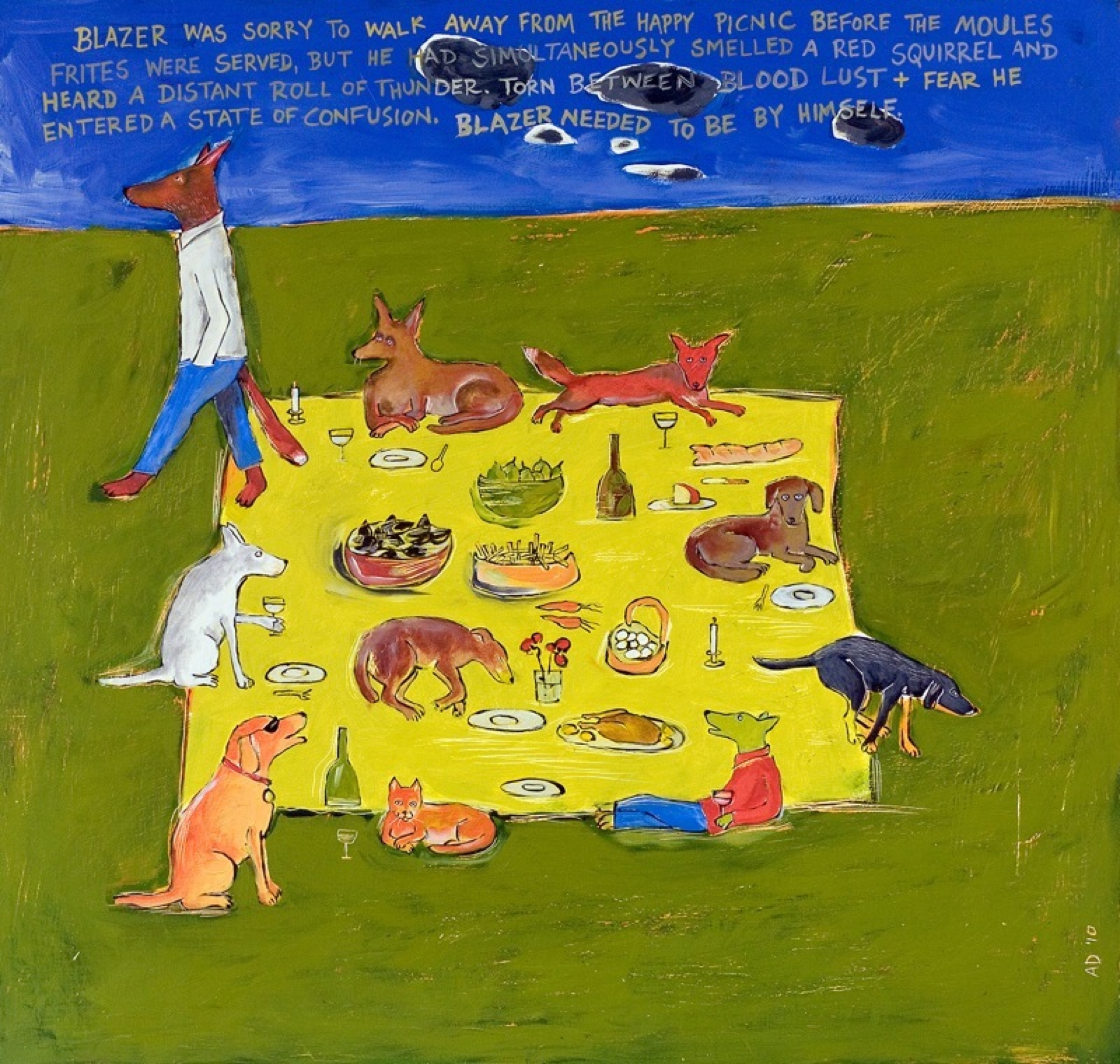
 DibblePicnic 6

“The Happy Picnic”  36 inch x 36 inch Oil & Wax

KATHERINE CARVER: What are you working on now?

ANNA DIBBLE:  Right at this moment I’m working on an illustration for a piece I wrote called ‘Frogging’ that will be coming out in the July 13th issue of Gray’s Sporting Journal.   I am also painting – continuing my series of bar and dinner table paintings, as well as beginning to break away from that series into something new. 


KATHERINE CARVER: What artists inspire your work?

ANNA DIBBLE:  Oh, so many.  But immediately – Roy de Forest (great dogs), Saul Steinberg, George Harriman (Krazy Kat), Richard Diebenkorn, Marsden Hartley, Giacometti, Red Grooms, Terry Winters, William Steig, David Smith, Joan Brown, Paula Modersohn-Becker, Maira Kalman, and many more. 


KATHERINE CARVER: What piece(s) of your artwork is your favorite?

ANNA DIBBLE:  I sometimes have a favorite piece, but then it is no longer a favorite piece because something else takes its place.  Right now my favorite piece, I guess, is number 12 on the website portfolio, ‘The Birds’.
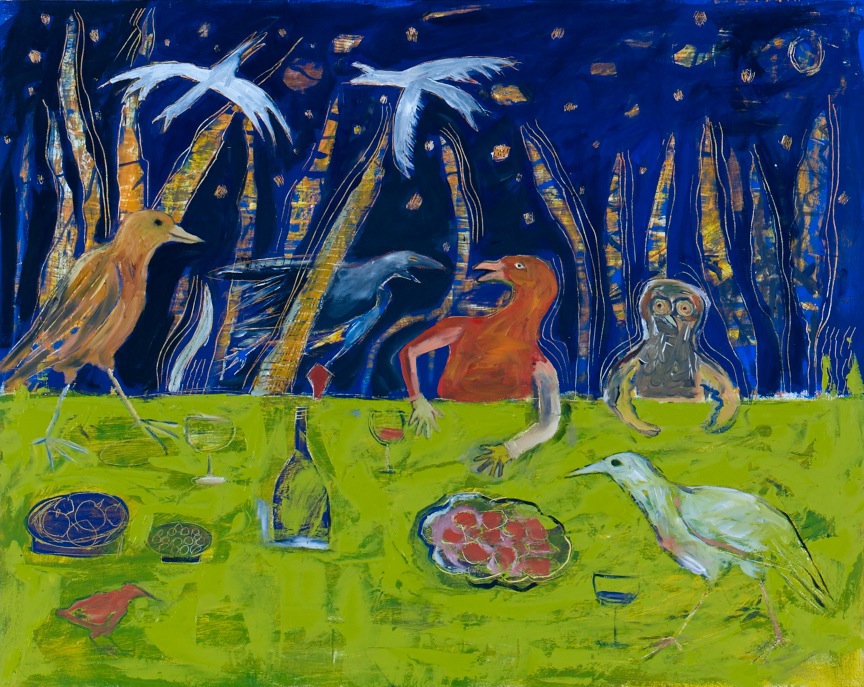
DibbTheBirds 7

“The Birds”   24 inch x 30 inch Oil and Wax 

KATHERINE CARVER: What advice do you have for aspiring artists?

ANNA DIBBLE:  Don’t do what I did and just feel your way through the woods.   Either find a way to make a living that is somehow compatible with your art, and gives you the time and energy to do your work, or get an MFA or PHD and find a job teaching in a university.  High school second best.  Then you have summers and vacations, and if you teach in a university you will even have time in your working schedule to paint or sculpt or write.  Making a living in the commercial arts is fine, but it is not conducive to expressing yourself artistically in a deeper more fulfilling way.


KATHERINE CARVER: How can people view and purchase your art works?

ANNA DIBBLE:  My website: http://www.annadibble.com  is usually up to date with available work.  Or my two galleries:  West Branch Gallery and Sculpture Park in Stowe or Edgewater Gallery in Middlebury – both in VT, both have websites that have a page of my work.  I also do commissions.

DibbleWumpy's 8

“Wumpy’s Remorse”  20 inch x 24 inch Oil and Wax

All images are courtesy of Anna Dibble.

You can read additional interviews here.

Interview with Dana Atnip, Illustrator

Interview with Dana Atnip, Illustrator

Dana-July-3-smallest-196x300

Recently, I had the opportunity and pleasure of interviewing  Dana Atnip , an illustrator living in Michigan.  Dana Atnip illustrates dogs and other animals.  Some of her work is displayed below and you can visit her website and blog to view more of Dana’s work.  Dana also is heavily involved with dog rescue as she also works at the Michigan Humane Society.

KATHERINE CARVER: What were your beginnings as an artist and when did you realize it would become your chosen form of expression?

DANA ATNIP: For me, it’s always been art.  I started drawing in nursery school and never stopped!

KATHERINE CARVER: Did you study art formally?

DANA ATNIP: A little bit is genes (I come from a family of artists) and a lot of it was self-taught; drawing and practicing every day! I did attend Macomb Community College for my two degrees in art.  Although it’s a community college that have an amazing art program with very talented professors.

Print

KATHERINE CARVER: How do you describe your style?

DANA ATNIP: While I hesitate to say it’s a “Disney” style, Disney was one of my largest influences.  I spent a lot of time growing up drawing my favorite Disney characters as well as comic strip characters such as Garfield, Peanuts, Calvin & Hobbes, and Bloom County.

KATHERINE CARVER: What was the impetus that inspired you to begin illustrating dogs and other animals?

DANA ATNIP: I always leaned towards animals in my drawings.  For me, drawing the human figure was always a tough challenge.  To this day I still feel I struggle when drawing humans, but I still attempt it.


KATHERINE CARVER: How have your own dogs influenced your artwork?

DANA ATNIP: Oddly enough I didn’t spend a lot of time drawing my own pets, although my first cat, Boo-Boo, did make it into a comic strip that I had created in the 90’s.  However my female Rottweiler, Thorn, I just used as a model in a greeting card I illustrated.


KATHERINE CARVER: What does “being creative” mean to you?

DANA ATNIP: I think that everyone is creative in their own right.  I have heard people say that they are “terrible artists” and then see them create amazing work.  Everyone is an artist by birthright; it’s in our genes.  Even our earliest ancestors painted on cave walls!


KATHERINE CARVER: What is the most challenging aspect of being an artist?

DANA ATNIP: Having the time, lol.  I work full-time (not as an artist) so drawing is a luxury for me right now.  Some days I just don’t have the energy.

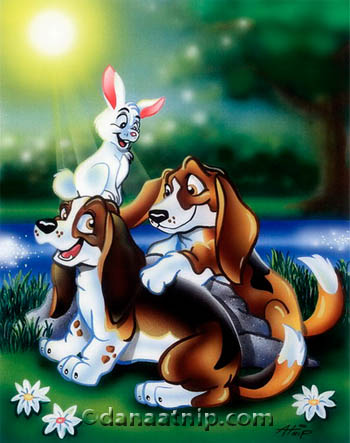
 2 Bassets ©danaatnip.com


KATHERINE CARVER: What inspires you to keep going and what keeps you motivated?  

DANA ATNIP: The love of creating keeps me motivated.  I feel so alive when I’m drawing or painting.  I couldn’t give up if I wanted to!


KATHERINE CARVER: What is the most rewarding and satisfying part about being an artist and creating art?

DANA ATNIP: Anytime that I can make someone smile or laugh I feel is the best accomplishment.  If my work can brighten someone’s day or make them feel good, then I feel that my work is done.


KATHERINE CARVER: Looking back on your accomplishments, to date, what are you the most proud of?

DANA ATNIP: 

Anytime that I can make someone smile or laugh I feel is the best accomplishment. If my work can brighten someone’s day or make them feel good, then I feel that my work is done.


KATHERINE CARVER: What are you working on now?

DANA ATNIP: There are several projects that I’m working on now.  I have a few children’s picture book manuscripts that I’ve written that I would like to submit to agents once I have some finished artwork to send along.  I also have several greeting cards that I would like to submit for consideration.


KATHERINE CARVER: What artists inspire your work?

DANA ATNIP: There have been so many over the years!  I mentioned Disney earlier.  Carl Barks was a cartoonist who worked for Disney and wrote and drew the Donald Duck/Uncle Scrooge comics for 25 years was one of the most talented cartoonists to date.  Jim Davis, Berkeley Breathed, Bill Watterson, Gary Larson, Charles Schultz, Tim Burton, Sandra Boynton, Chuck Jones, Don Bluth…my favorite artists are all cartoonists.

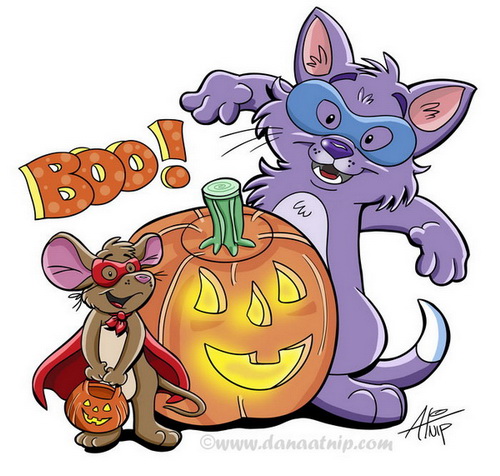
 Halloween Boo2 watermark

KATHERINE CARVER: What advice do you have for aspiring artists?

DANA ATNIP: Draw everyday.  Nothing will make you improve faster than the physical act of actual drawing or painting – even if it’s just sketching.  And if you want to draw digitally, you still first need to know how to draw on paper with a pencil.

KATHERINE CARVER: How can people view your art works?

DANA ATNIP: My latest work can be found on my website at www.danaatnip.com.


KATHERINE CARVER: In addition to making art, how did your adventure in animal rescue begin?

DANA ATNIP: I have always loved animals.  Even as a child I could relate to animals better than people, lol.  Animal welfare has been improving all over the world in the last few decades thankfully.  I am happy to help animals in any way that I can.  I started volunteering for the Michigan Humane Society right out of high school, and that later turned into a – job.


KATHERINE CARVER: If you could give pet owners’ one piece of advice, what would it be?

DANA ATNIP: Spay and neuter your pets, and look to rescues and shelters to adopt (sorry, that’s two!)  There are so many amazing homeless animals that are waiting in shelters right now for you to come and adopt them.  As an adult I have adopted all of my pets from the Michigan Humane Society: 2 dogs, two cats, a fish, a canary, and countless rats (rats need better PR, they are AMAZING critters!)  I have also fostered probably a hundred or more animals over the years.  I have many friends and family that have adopted my foster animals, or I have paired them up with others.

 MHS Mutt March Logo©

KATHERINE CARVER: What advice can you give to someone who might be considering getting involved with an animal shelter?

DANA ATNIP: I can’t think of any shelter that doesn’t need help somehow.  Volunteers are a vital part of any shelter.  Some people walk dogs, some brush cats, others may clean cages, do laundry and dishes; others help with adoptions or fundraising. And any shelter always needs foster homes to help care for sick or injured animals.  Wherever you live, there is probably a shelter nearby.  Check the internet for a shelter near you!

Please visit Dana Atnip’s website and blog.

All images are courtesy of Dana Atnip.

You can read additional interviews here.
Interview with Bryce Dishongh, Artist

Interview with Bryce Dishongh, Artist and Owner of Coat and Tails — Custom Pet Portraits

bio

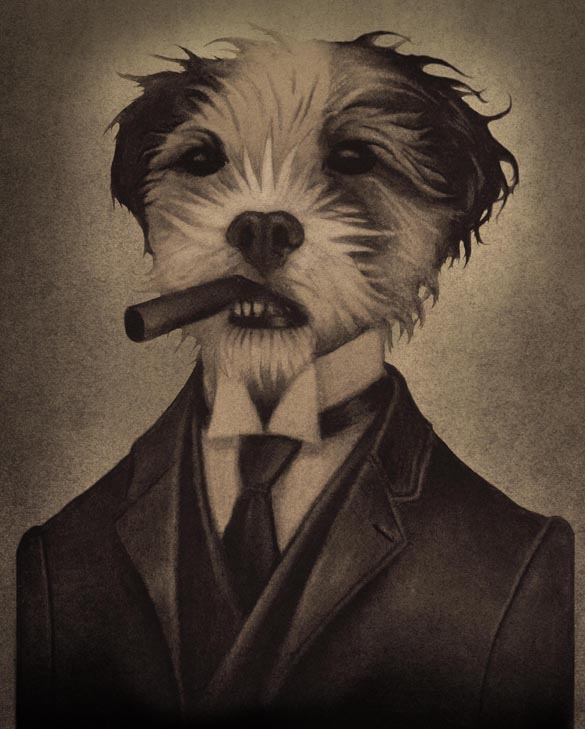
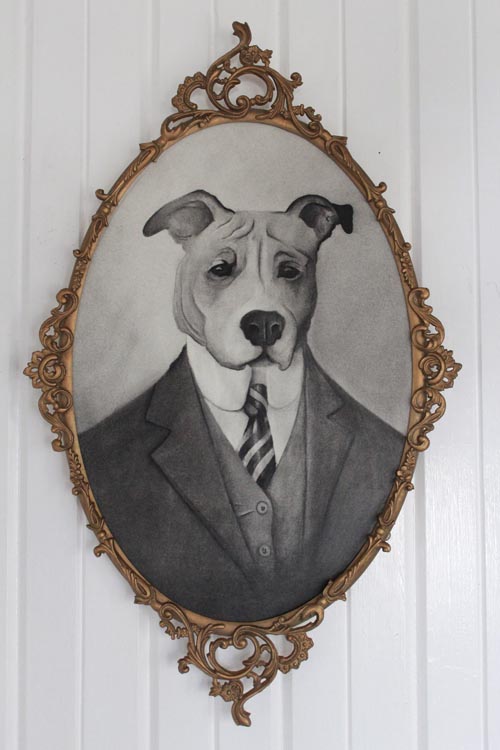
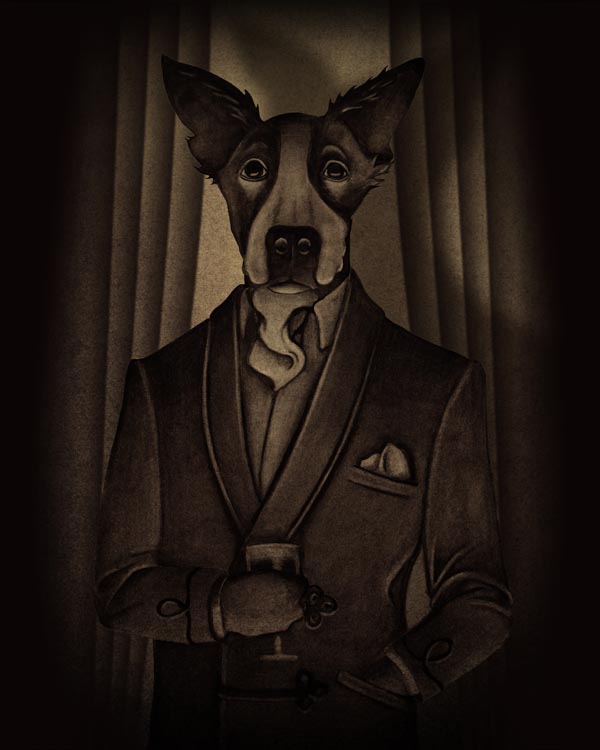
Recently, I had the opportunity and pleasure of interviewing Bryce Dishongh, artist and owner of Coat and Tails, a pet portrait business, which he runs from his studio in Austin, Texas.  Bryce creates very neat turn-of-the-centry portraits of dogs in a vintage style.  Some examples of Bryce Dishongh’s work is shown below and Bryce also takes commissions.

We are going to Commission a portrait of Biscuit — Biscuit has to first decide what he wants to wear for his special portrait!

4

KATHERINE CARVER: What were your beginnings as an artist and when did you realize it would become your chosen form of expression?

BRYCE DISHONGH: From an early age I knew that girls were into artists, so I immediately wanted to be one.  It just worked out that I was better at drawing than Math or English.

Though drawing was always a necessary mode of self-expression, I didn’t start taking it seriously until I was 27.  I’m 30 now. I spent a lot of time exploring safer and more profitable routes of professional development so I could buy things like organic dog food.

KATHERINE CARVER: Did you study art formally?

BRYCE DISHONGH: No, but I did take a drawing class in college.  I have a master’s degree in the vastly exciting field of Technical Communication.

3

KATHERINE CARVER: How do you describe your style?

BRYCE DISHONGH: Coat and Tails is fairly style-driven.  Almost all of the portraits I’ve drawn recently are a mix of 1800s portrait photography (like tintypes) and storybook illustration.  I base the portraits and designs on Victorian or Edwardian conventions because they’re usually high-brow, formal, and proper; by contrast, dogs, especially those wearing clothes, are anything but.   I aim for high-brow form but low-brow content.


KATHERINE CARVER: What was the impetus that inspired you to begin drawing and illustrating dogs and other animals?

BRYCE DISHONGH: I guess first and foremost, I’m better at drawing animals.  But also, I love animals, dogs and cats in particular. They’re hilariously serious.   


KATHERINE CARVER: What does “being creative” mean to you?

BRYCE DISHONGH: I once thought it meant actually sitting down and making stuff, but that part is just the vehicle.  Being creative happens in the seconds or moments when I’m away from the paper—like when someone is talking to me and I’m not listening, or when I’m running with my dog Bess—and I have a vision and my ideas breed.  The rest is just working away to achieve that vision. 

5

KATHERINE CARVER: What is the most challenging aspect of being an artist?

BRYCE DISHONGH: Sticking with one style, especially when a client wants something else.


KATHERINE CARVER: What inspires you to keep going and what keeps you motivated?  

BRYCE DISHONGH: I don’t really struggle with motivation.  I’m pretty restless.  There are a lot of things I want to do.  

KATHERINE CARVER: What is the most rewarding and satisfying part about being an artist and creating art?

BRYCE DISHONGH: Since I do a lot of custom pet portraits, I like the client’s reaction.  My clients are usually really, really into their dogs, so it’s a pretty exciting sort of unveiling for them to see their pet illustrated.  It’s satisfying to create that for them.

 2

KATHERINE CARVER: Looking back on your accomplishments, to date, what are you the most proud of?

BRYCE DISHONGH: I’m really proud of Coat and Tails.  It’s the culmination of everything I’ve learned about making stuff since I started three or four years ago.


KATHERINE CARVER: What are you working on now?

BRYCE DISHONGH:  Coat and Tails is my primary focus.  At the moment I’m really excited about a line of prints and tee shirts that are faux-Victorian advertisements for products that dogs would like.  So far I’ve done Squirrel Sausage and Raccoon Steak.  Currently working on Toilet Water. 


KATHERINE CARVER: What artists inspire your work?

BRYCE DISHONGH: I have a huge crush on Maxfield Parrish and the Golden Age illustrators.  I am also really into turn-of-the-century children’s book illustrators like Walter Crane, John Neill, and Charles Robinson.

Probably the most inspiring for me nowadays is mcbess, who is a total game-changer in the illustration world.  He’s so infectious, so alive and wiggly; it’s tempting to replicate his style, which is something I have been guilty of.  He’s also a brilliant marketer, and I’ve also learned a lot about that from him as well.

 1

KATHERINE CARVER: What advice do you have for aspiring artists?

BRYCE DISHONGH: Don’t exhibit work, on the internet or otherwise, until you have narrowed down the framework in which you want to work and will consistently work.

Find a memorable name and create a brand out of it.  Try not to work for free unless you’re 100% sure it will help you.

Watch other artists and learn from them.

KATHERINE CARVER: How can people view your art work?

BRYCE DISHONGH: You can view my work on my website, www.coatandtails.com and on Facebook at http://www.facebook.com/pages/Coat-and-Tails-Pet-Portraits/128628673951387.

21


All images are courtesy of Bryce Dishongh.

You can read additional interviews here.
Interview with Mary Medrano, Painter

Interview with Mary Medrano, Painter

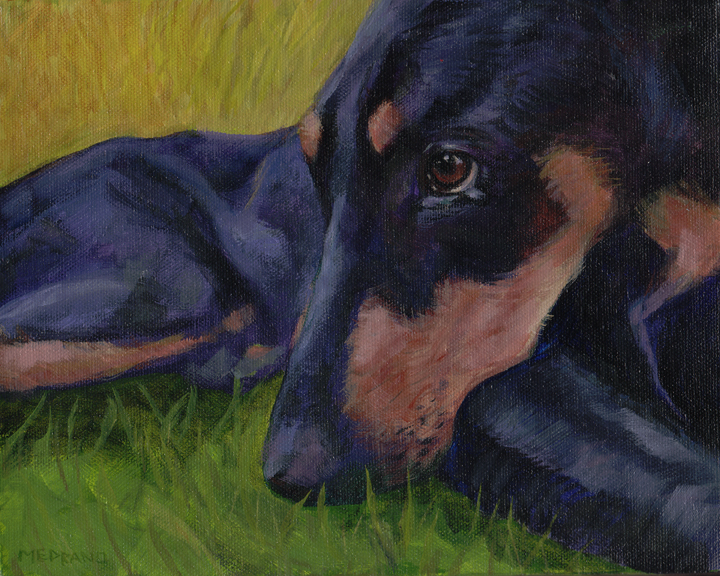
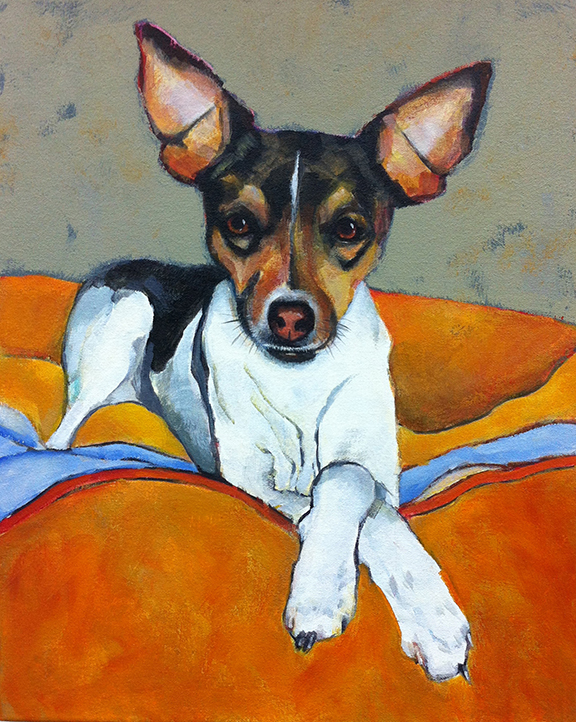
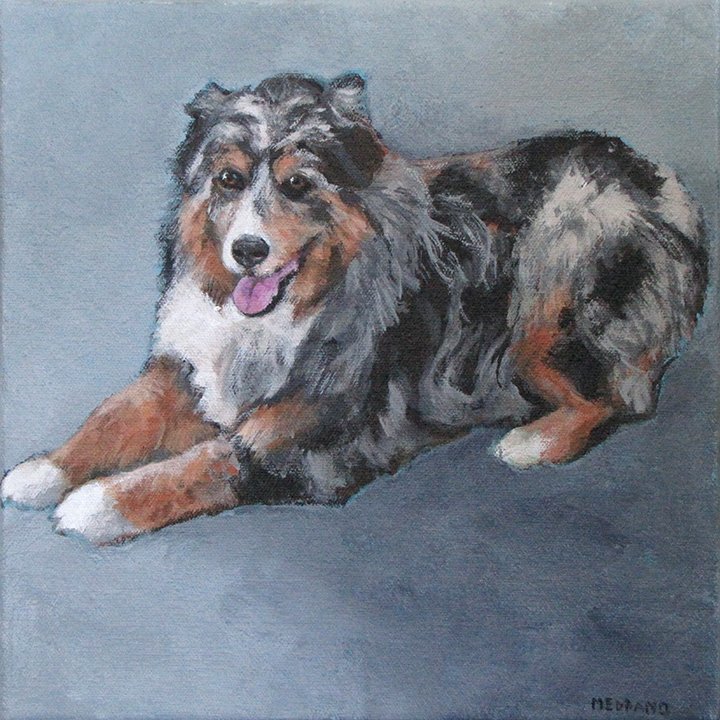
Recently, I had the opportunity and pleasure of interviewing painter Mary Medrano.  Mary Medrano is a painter living in Bend, Oregon.  Mary paints dogs and other animals among other things.  Please see some of Mary’s daily paintings, and visit Mary’s website.

KATHERINE CARVER: What were your beginnings as a painter and when did you realize it would become your chosen form of expression?

MARY MEDRANO: I began painting after the dot-com bust in 2001.  My job as an Art Director for an Ad Agency in Silicon Valley fizzled, and I needed to figure out what I was going to do next.  I took an online course at Quilt University called Fabric Painting.  After the class was over I continued painting, gave myself an art show, and from that point on I have been painting and showing my work.

KATHERINE CARVER: Did you study art formally?

MARY MEDRANO: I have a B.A. in Photography from Western Michigan University and a degree from University of California Santa Cruz in Graphic Design and Visual Communications.  I am self-taught in painting, but have taken many courses in drawing and painting from George Rivera, Holly Roberts, Michael Azgour and Jim Smyth to name just a few.  I am also grateful for artist friends who have mentored me.  You know who you are.

KATHERINE CARVER: What was the impetus that inspired you to begin painting and, in particular, painting dogs and other animals?

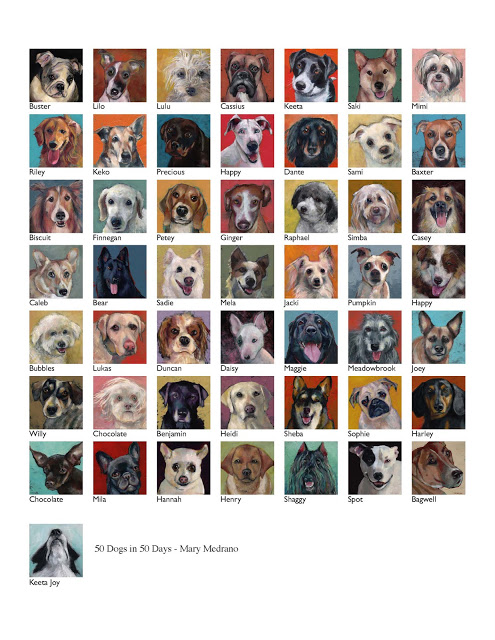
MARY MEDRANO: Funnily, the very first painting I ever sold was of a dog.  In 2011, I was juried into the 50 50 Show at the Sanchez Art Center in Pacifica, California.  The theme for my 50 paintings was dog faces, shown below.  The show was a huge success for me, and launched the pet portrait portion of my business.  It continues to this day.  (Notice Biscuit is the third down on the far left!)

If you are interested in commissioning any paintings by Mary Medrano, please contact Mary here.   Also, here is a link to some of the paintings we had Mary make for us!  


KATHERINE CARVER: Where do you show/exhibit your work?

MARY MEDRANO: I recently moved to Bend, Oregon and I am quickly making contacts in the “art world.”  I recently had three (3) paintings selected for The Dog Show at Sisters Artworks Entry Gallery. I just held a Grand Opening at my private Art Studio in downtown Bend and will continue to participate in the monthly Art Walks.


KATHERINE CARVER: Looking back on your accomplishments, to date, what are you the most proud of?

MARY MEDRANO: I am most proud that I am to a point with my painting skills that I am able to teach others the craft of painting.  It has been very rewarding.  In addition to this, I was most proud of my first solo art show at Gallery Blu in Santa Clara, California.


KATHERINE CARVER: What are you working on now?

MARY MEDRANO: I am just finishing two (2) 16 x 20 inch commissions of dogs for a patron in California and three small commissions for a patron in Minnesota.

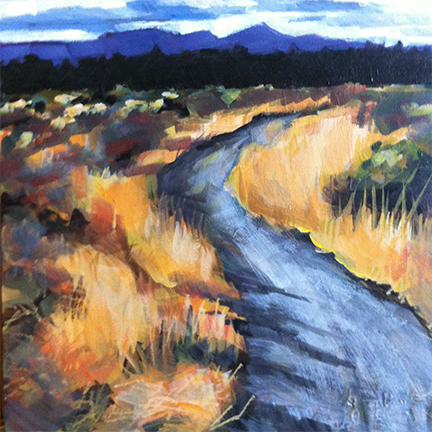
I am also working on making new art for galleries in and around my new hometown of Bend.  A few examples are shown below.


KATHERINE CARVER: What artists inspire your work?

MARY MEDRANO: I have always loved the German Expressionists, in particular Max Beckmann.  I also love the California Society of Six, the Bay Area Figurative Artists, and I most recently discovered the Canadian Group of Seven.


KATHERINE CARVER: What advice do you have for aspiring artists?

MARY MEDRANO: Practice painting daily if possible, even for a short amount of time. I think this is more helpful than painting for long periods of time less frequently.  I would also suggest that aspiring artist say ‘yes’ to offers to show their art. Don’t be afraid or shy.  Getting exposure in coffee shops, restaurants, friends’ homes, etc. early on is amazing for exposure and almost always leads to the next show.  Don’t worry too much about rejections.  As someone once said to me, ‘you don’t have to list them on your resume.’  That was very helpful. 


If you are interested in contacting Mary or commissioning any paintings by Mary Medrano, please contact Mary here.

All images contained in this blog post were used with the permission of Mary Medrano.

You can read additional interviews here.
Dog Rescue – Interview with Carol Guth, Sheltie Haven Sheltie Rescue, Inc.

Dog Rescue – Interview with Carol Guth, Sheltie Haven Sheltie Rescue, Inc.

Recently, I had the opportunity and pleasure of interviewing Carol Guth who heads and leads the Sheltie Haven Sheltie Rescue, Inc., a non-profit organization based in Frederick County, Maryland.  Carol does extremely important and wonderful work on behalf of many dogs who do not have any other options.  Carol has saved many sheltie dogs, including, Biscuit.  In January 2011, Doug and I adopted Biscuit from Carol through her dog rescue, the Sheltie Haven Sheltie Rescue, Inc.  I believe it is important to highlight this important work that Carol does in conjunction with her rescue, the Sheltie Haven Sheltie Rescue, Inc.  Please enjoy our interview outlined below!


KATHERINE CARVER: How did your adventure in dog rescue begin?

CAROL GUTH: I began rescuing shelties when I was a volunteer at our local shelter.  A skinny young male sheltie mix, Jake, came into the shelter and he had a rear leg swinging.  It was obviously broken.  Jake was a stray and the shelter would only keep him for the five (5) days and then put him to sleep since his injury was, in their mind, not ‘fixable.’  I put a hold on Jake.  At the end of his “stray days” (the law requires that all strays be kept for a minimum of five (5) full days), I took Jake home with me.  I called my friend and breeder and explained what I had done and I asked her if there were any people who rescued these dogs and helped them.  She gave me a woman’s name and after two conversations with her, Jake, the sheltie, was on his way to getting his leg repaired!  My vet was willing to put his leg back together for a reasonable fee and this rescue paid the vet bill.  I took care of Jake and helped him through his rehab.  Once his leg was fixed and healed, Jake had about 90% use of this leg; and a week after that, my contact had found a home for Jake.  Jake’s new owner kept in touch with me and even moved across the country with Jake.  Jake lived to be well into his 15th year and enjoyed life to the fullest.  As a result, I was hooked on rescuing dogs. 


KATHERINE CARVER: What does your rescue work entail?

CAROL GUTH: Dog rescue is a lot of work.  At first there were four (4) of us who shared the rescue work.  By incorporation with the State of Maryland, we legally formed our rescue, Sheltie Haven Sheltie Rescue, Inc.; we obtained the 501(c)3 not-for-profit classification; and we created a website all in about a years time.  I started taking in a dog or two from the shelter and informed other ‘sheltie people’ about these sheltie rescues.  Word of mouth helped with the first three (3) to four (4) shelties who came to our rescue.

Now, I get dogs into the rescue most often from the original owner.  These owners do not want to put their dog in the shelter and they are looking for an alternative.  Owners call me, we chat, and they bring me the dog with whatever paper work they may have.  Once the dog is in my care, I take the dog to the vet for an exam, shots, and spaying or neutering (if necessary).  If we find a problem, we take care of it.  Our biggest problem is always money.  Sheltie Haven Sheltie Rescue, Inc. is funded entirely through donations.  In the beginning we did a lot of fund-raising and went to pet stores to share our dogs and our vision.  The rescue built up its bank account and it continues to do the same now.  We have a couple of people who are monthly contributors and there are others who donate their time to the rescue.  There is of course, the daily handling of the dogs.  They all need to have exercise, food, love, attention and grooming!


KATHERINE CARVER: What rescue experience moved or inspired you the most?

CAROL GUTH: I think my most inspiring story was a young sheltie named Mitzie.  I received a call from an older woman explaining how there was this sheltie that showed up at her house on a regular basis and her favorite pastime was chasing the eighteen wheelers that passed her house regularly.  When this sheltie named Mitzie showed up at this woman’s house, she was not running well.  After catching Mitzie, this woman discovered a wound in the rear leg; however, she did not have the financial means to take Mitzie to a vet.  The woman contacted me, and I traveled and picked up Mitzie and took her to my house.  I arrived the following day, and brought Mitzie to the vet who examined Mitzie and discovered that Mitzie had a GUN  SHOT wound.  At the time, it was December 23, and I could not get an appointment with the orthopedic specialist until December 26.  As such, we bandaged Mitzie up and took her home for the holiday. 

On December 26, we went to the orthopedic specialist, and it was discovered via x-rays, that bee bees had shattered Mitzie’s knee and the bee bees had gone through a growth plate.  We decided to try reconstructive surgery.  The surgery went as planned; however, the bone failed to heal.  Two (2) months later, Mitzie’s leg was amputated.  We placed Mitzie’s photo on the Sheltie Haven Sheltie Rescue, Inc.’s website, and a family contacted me and decided they wanted to adopt Mitzie even though they had to wait for Mitzie to recover.  We initially thought they would have a change of heart after Mitzie’s leg was removed; however, this family still wanted to adopt Mitzie who now had only three (3) legs.  Mitzie was soon adopted after her rehab was completed following the amputation of her leg.  The family who adopted Mitzie came back to visit the rescue three (3) years later, and we watched Mitzie run in the yard, and you would never had known that she was running on only three (3) legs.  Mitzie was fast and furious!  Mitzie was still willing to chase anything that moved!


KATHERINE CARVER: Do you have any favorite rescue story?

CAROL GUTH: Sherman, a sheltie, had to have been the one of my favorite rescue stories.  Sherman came to me from a family with four (4) kids.  Sherman was adopted almost as soon as he came into the rescue.  I did not have much time to evaluate him in-depth, although Sherman seemed fine and a couple adopted him during the month of October.  The man who adopted Sherman called me in early November to tell me Sherman had bitten his wife.  After talking with him, I suggested he return Sherman to the rescue.  In response, the man said, “Oh, no.  I love the dog.”  The man stated to me that he would keep Sherman.  The man called me again in early December to tell me that Sherman was chasing shadows on the wall and asked if I knew what was wrong with him.  I suggested to the man that he have Sherman’s eye examined by the vet.  “Oh, and by the way,” he said, “The dog bit my wife again.”  We talked and I again suggested that he return Sherman to the rescue as the bite this time had broken skin.  The man was afraid I would put Sherman to sleep and, he said, “Oh, no.  I love the dog.  He is a beautiful dog.”  So, he kept Sherman.  The man called me again on December 26th and said he had taken Sherman to the vet and to an eye specialist and they both found nothing wrong with Sherman.  However, to my surprise, the man informed me that he was returning Sherman ASAP as the man told me that Sherman was a ‘vicious biting dog!’  I ask in response, “What happened to bring this on?” and he replied, “Sherman bit ME!”  I was so glad I was not his wife again!  Soon after, Sherman came to live with me.  We discovered that Sherman had hip dysplasia and that he was afraid of being trapped.  As time went on, Sherman learned to trust me, and I got to the point he would let me groom him without a muzzle.  He decided after he had lived with me for eighteen (18) months that I belonged to him and that he was responsible enough to be left out loose in the house with my other dogs.  He lived with me until bone cancer took him at age fourteen (14).  We as a great and beautiful dog!!

Below is a photograph of Sherman!


KATHERINE CARVER: What is the most challenging aspect about your dog rescue work?

CAROL GUTH: I think the most challenging aspect of dog rescue is having enough money to pay for vet bills.  Vets like everyone else, have expenses that increase each year.  I am able to perform the annual shots on the rescue dogs, but the rabies and snap test for heartworm have to be completed by the vet.  For each dog rescue, I have the rabies vaccine completed at the local clinics after the initial one is given by the vet.  However, some rescue dogs already have their rabies vaccine current by proof of vaccination.  However, blood work, surgeries, and other tests are expensive.  My vet and I have an arrangement for certain costs that have remained the same.  These costs include the snap test for heartworm, rabies, and neutering/spay fees.  My vet also has been very generous with our rescue over the last twenty (20) plus years I have been involved in dog rescue.


KATHERINE CARVER: What are the most satisfying and rewarding parts of your dog rescue work?

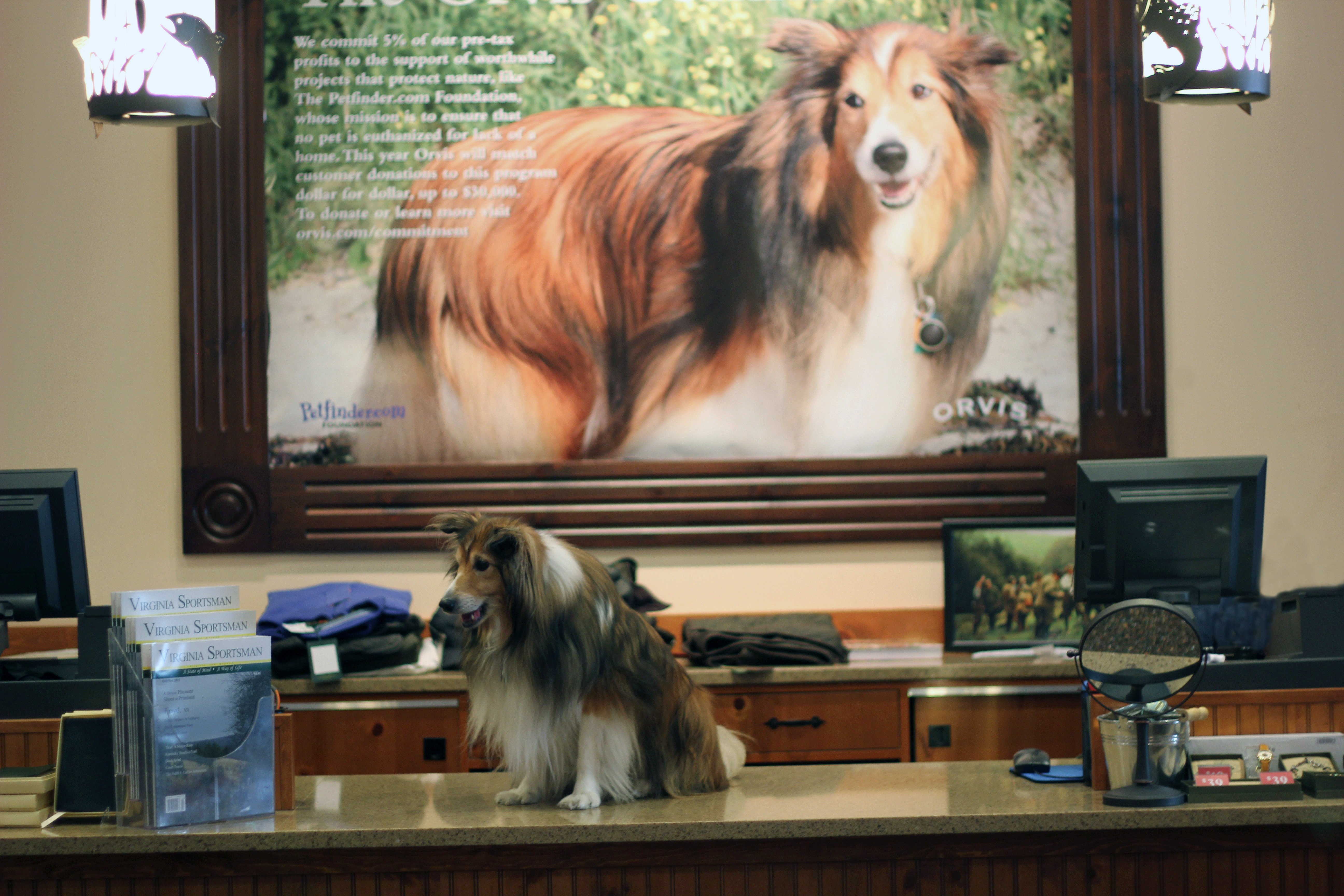
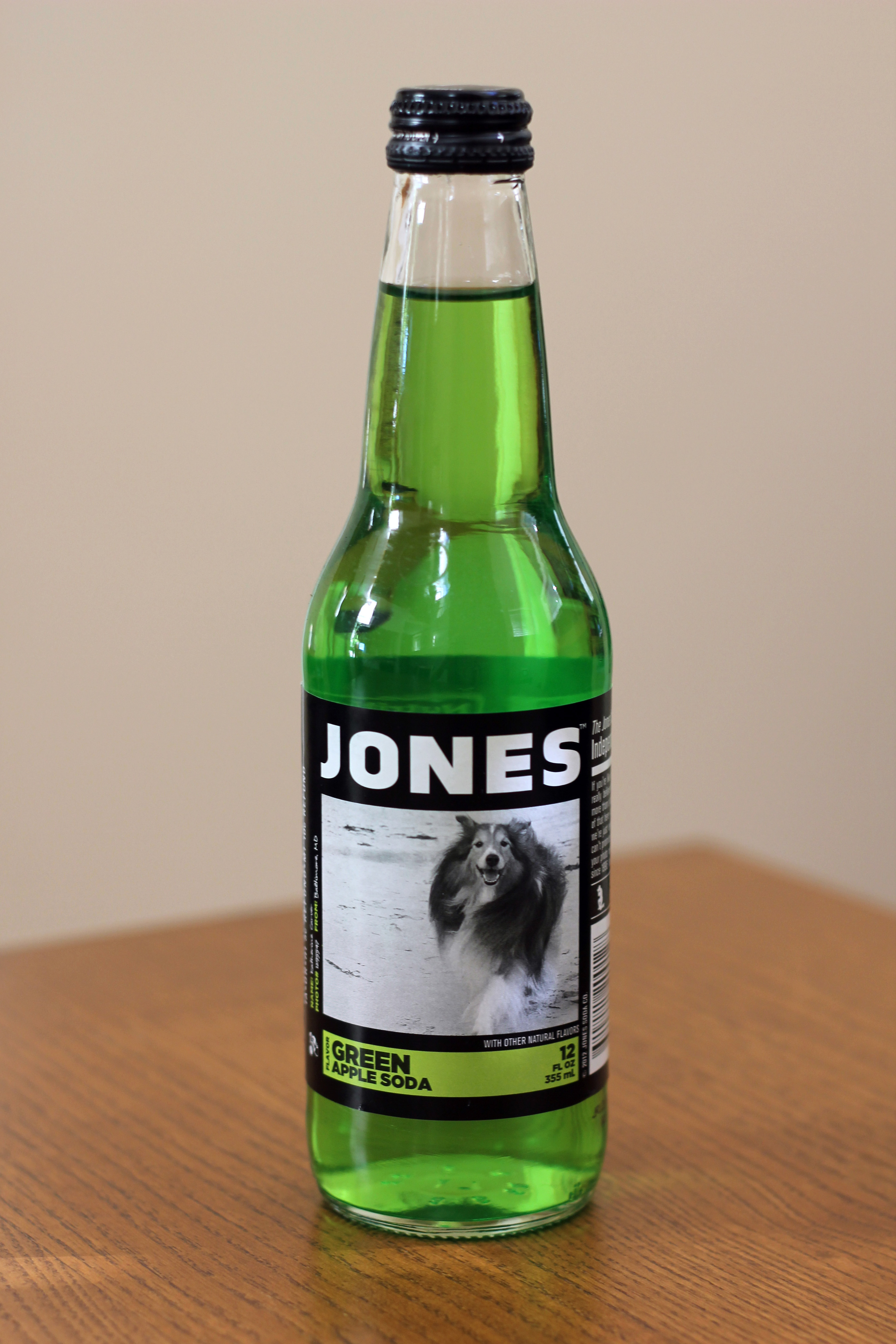
CAROL GUTH: I am always extremely gratified when a rescue dog gets a wonderful new home and they get a new lease on life.  I really love the fact that I have repeat customers for rescues and that people keep in touch to tell me how they are doing.  I also board back my rescues so that I can see for myself how they are doing if the family goes on vacation, for example.  Biscuit is my first rescue dog to gain public recognition – Biscuit recently was an Orvis Cover Dog Winner; Biscuit represents the Orvis’ Petfinder Commitment promoting dog rescue; and Biscuit is a Jones Soda Label Winner!  Please see the highlights of Biscuit below.


KATHERINE CARVER: If you could give pet owners one piece of advice, what would it be?

CAROL GUTH: The best thing anyone can do for their pet is to spend quality time with his/her pet – and for the young and energetic sheltie that means training and dog sports!  Get involved with your dog and do things that make you both happy and fit!  Agility, Rally, Obedience, Trick, Dancing with your dog (Canine musical Freestyle), Flyball, and Frisbee completions are just a few of the opportunities that are out there for you and your sheltie canine partner.


KATHERINE CARVER: What advice can you give to someone who might be considering getting involved with or starting an animal rescue group?

CAROL GUTH: If you are interested in dog rescue, volunteer first.  See what goes into a good working rescue.  Also, consider how much time you are willing to spend on paper work, caring for the animals, and fund-raising.  It is best to be a consistent volunteer so you see the whole picture, not just one day in the life…


KATHERINE CARVER: What are your goals and dreams for the future?

 CAROL GUTH: I hope to retire from my weekday job in another three (3) to four (4) years.  I am hoping and planning to spend more quality time with my own dogs and the rescue dogs in the hopes of getting more of them placed into furever homes sooner.   I would like my turn around time to place a new rescue dog to be no more than one (1) month.

Below are photographs of Lassie, a sheltie rescue dog who was at the Sheltie Haven Sheltie Rescue, Inc., who has since been adopted.  Most noticiable in the photogrphs below, you can see significant positive changes in Lassie’s fur coat and weight.  Lassie looks like a totally different sheltie dog in Lassie’s after photograph displayed below.

Lassie (Before)

Lassie (After)


KATHERINE CARVER: How can one donate to your dog rescue, Sheltie Haven Sheltie Rescue, Inc.?

CAROL GUTH: Sheltie Haven Sheltie Rescue, Inc. is a non-profit organization.  With our 501(c)3 non-profit status, all donations made are tax-deductible.  If you would like to send a donation, you can make a check payable to SHSR (Sheltie Haven Sheltie Rescue, Inc.) and mail it to me at 2707 Rosemary Court, Adamstown, MD 21710.  Thank you for any and all donations to the shelties in the rescue. 

Currently, there are seven (7) shelties in the rescue who are in need of furever homes.  These shelties range in age from fourteen (14) years to two (2) years of age.   If you want to adopt a rescue dog; donate money; and/or contribute your time to the Sheltie Haven Sheltie Rescue, Inc., please contact me via telephone at 301-663-0635; or via e-mail at sheltytaxi@aol.com.  You can also visit our website, which is currently in the process of being upgraded and redesigned at, http://www.sheltiehaveninc.org/.

Below are photographs of three (3) of the current sheltie rescues dogs in need of furever homes.  (Please note that I also have four (4) more shelties not pictured who are also in need of furever homes).  Please contact me if you are interested in adopting any of these shelties shown immediately below.

Charlie, male sheltie, age 22 months


Spirit, male sheltie, age 8 years


Angel, female sheltie, age 12 years


Photographs of the sheltie rescue dogs are courtesy of Carol Guth, Sheltie Haven Sheltie Rescue, Inc.

You can read additional interviews here.
Interview with Laura Johnson, Le Animalé

blogoportrait

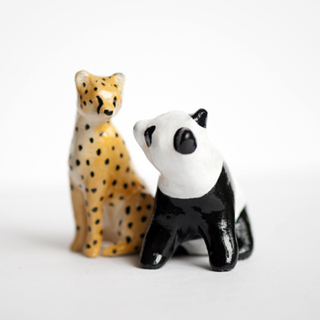
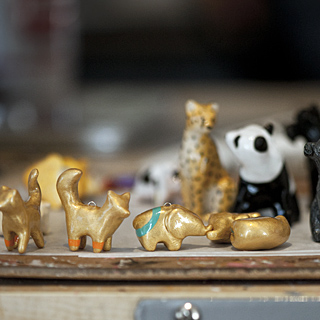
Yesterday I wrote about the joined cheetah and panda totem that I had made by Laura Johnson, Le Animalé, as a gift for Doug for our four-year wedding anniversary.  I decided to learn more about Laura’s totems and her art making process, outlined below!  You can also read why Laura chose to call her animals totems here.  I hope that you enjoy her totems as much as I do!  It was a pleasure working with Laura!  Happy Friday!


KATHERINE CARVER: When and how did you being making animal totems?

LAURA JOHNSON: I started officially making totems in May 2011, but made pieces every now and again before that time as gifts for friends. I didn’t have a particular style before I started le animalé, though.


KATHERINE CARVER: Did you study art formally?

 LAURA JOHNSON: I studied music formally, but not visual art.  I play classical saxophone.


KATHERINE CARVER: What was the impetus that inspired you to begin making animal totems?

LAURA JOHNSON: There is a lot of background behind the totems.  So much actually that it is a little tough to weed through and write it all out without either writing a short book or being really confusing, haha.  So I’ll try to be concise.  I’ve always loved animals, collections, and miniatures – especially animal figurines.  I started collecting tiny animals several years ago and would rarely come across realistic figurines that weren’t either just plastic toys or statues over 4″ tall.  I have a variety of materials in my own mini animal collection: stone, wood, ceramic, bone, pewter, crystal – but I am always a little extra excited to come across more realistically painted pieces.  Even better, realistic with a subtle twist of some sort.  I figured if I was going to start making animal figurines myself I may as well make them what I’d love to discover as a collector of animal figurines.  That’s part of the reason why I don’t add eyes to my animals (that way they are realistic… almost).  If you’re curious about why else I don’t add eyes, I wrote about it here.  To put the icing on the cake with my figurines, I decided to give them personalities and energies so they could be more than just a figurine, but a totem: a little sidekick or source of inspiration, support, good luck or whatever the totem’s keeper needs.


KATHERINE CARVER: What was the process to make the panda and cheetah totem?

LAURA JOHNSON: The panda and cheetah totem was a bit different than anything else I’ve made since they are joined together.  But I love new challenges.  I typically don’t sketch before sculpting because I work with a very organic process and just sort of jump right in and ‘dance’ with the medium until the piece looks right.  There is give and take.  I had an idea of what I wanted the panda and cheetah to look like together – even though they are joined at the hip I wanted them to appear stable in their own poses as well.  To create some movement and connection between the two animals, I turned their heads in slightly toward one another (a suggestion from Katie, actually) and also wrapped the cheetah’s tail onto the panda’s back.  In the final piece they are two strong animals but with clear affection, love, support and stability for one another, shown below.


KATHERINE CARVER: What are you working on now?

LAURA JOHNSON: Right now I am working on so many things.  But what else is new?  There are two collaborations in the works that are super special and super exciting.  They will both be released in time for holiday gifts, and if you’d like to stay connected and hear about them when they launch, please sign up for my newsletter.  You won’t want to miss them!  I’m also gearing up for the holidays – stocking up on totems and supplies and working on custom orders.  Custom orders will only be available for Christmas deadlines until mid November, by the way!


KATHERINE CARVER: Do any artists inspire your work?

LAURA JOHNSON: Not particularly.  I am inspired by other artists’ work, but more as a collective idea.  If I dig through art sites or go visit a gallery, any art, any gallery, I’ll practically come running out with the NEED to create some sort of art right then, right there.  Like a fix.  It never fails.


KATHERINE CARVER: What advice do you have for aspiring artists?

LAURA JOHNSON: Create what you love and create it consistently, even if you aren’t feeling particularly inspired.  Share what you make with the world so people can find it and enjoy it. Enjoy the process, and don’t get discouraged.  I don’t believe that there are things any particular person can’t do.  It’s just a matter of putting enough time into it to gain the skill, and asking questions when you don’t know how to do something.  And if you are already talented in your area but have fear of putting yourself out there, or fear of failure, or any fear (and we all do), know that “inaction breeds doubt and fear (-Dale Carnegie)”, so move forward, make things happen, and “always do what you’re afraid to do (-Emerson)”.  If you do that, soon enough nothing will stop you.  I didn’t always believe it, but yes you can absolutely make a career doing what you love… so go for it.

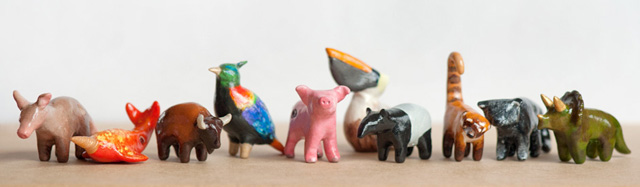
Below are some more examples of Laura Johnson’s work.  You can checkout Laura’s website for further examples and reading.  Enjoy!  We are getting a totem made of our little Biscuit!  These totems are darling!

Here is a link to a 360 degree example of a finished dog totem!

Do you see the cheetah and panda totem in the background!

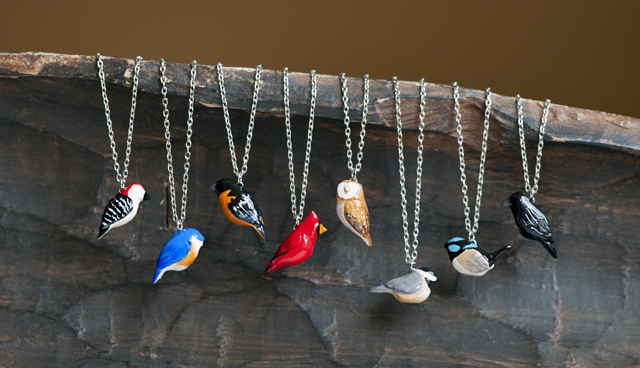
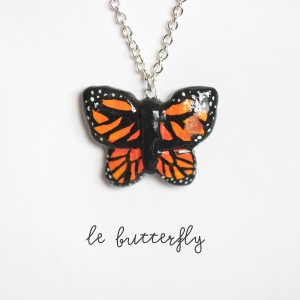
Laura also makes custom necklaces.  A few examples are shown below.

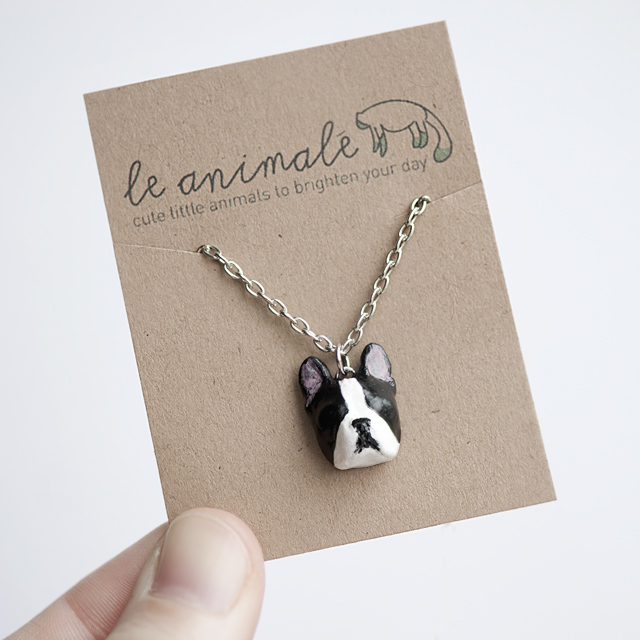
This is how your totem will arrive!

Photographs were used with the permission of Laura Johnson, Le Animalé.

You can read additional interviews here.
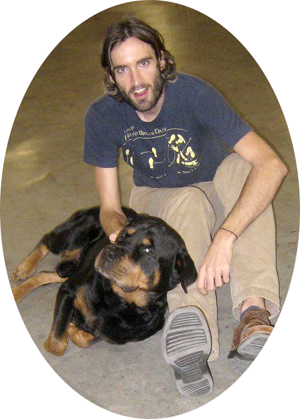
Interview with Traer Scott, Photographer

Interview with Traer Scott, Photographer


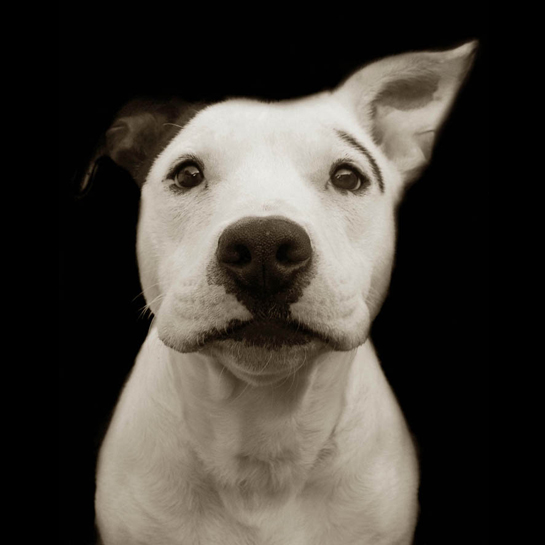
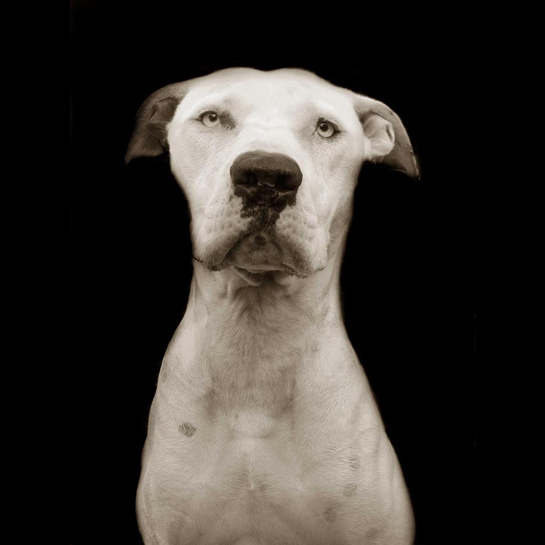
Below is an interview with Traer Scott.  Traer Scott is a Rhode Island based photographer and author of Shelter Dogs; Street Dogs; and Wild Horses: Endangered Beauty.


KATHERINE CARVER: What were your beginnings as a photographer and when did you realize it would become your chosen form of expression?

TRAER SCOTT: I began working in a darkroom at school in fourth grade.  We built pinhole cameras and then developed the prints ourselves.  I obtained my first SLR camera for my thirteenth birthday and staged photo shoots at sleepovers, so I guess it all started there.  It wasn’t until my junior year of college, after experimenting with a lot of different art forms, that I realized my greatest passion was for photography.  I’m in love with the medium itself.  It’s wildly unpredictable yet still skill driven.


KATHERINE CARVER: Did you formally study art/photography?

TRAER SCOTT: Yes, however, I did not attend art school.  I earned a B.A. in Mass Communications with a minor in film.  I took independently offered photography and advanced darkroom classes all through college; and after college graduation, for a six-month practical intensive course, I attended the New England School of Photography located in Boston, Massachusetts.  I also studied every summer at the Maine Media Workshops.


KATHERINE CARVER: How do you balance your personal work and your commercial work?  Does one feed the other?  Or does the commercial work support your passion?

TRAER SCOTT: Although there will always be work that “just pays the bills,” there is very little distinction to me anymore between commercial and personal work.  I am passionate about absolutely everything I shoot, and I rarely shoot anything that I don’t envision becoming a series or a book.  Whether it actually takes root and works is another story, but the intent is always long term and series oriented.  The book work is obviously more commercial but some of it, like Shelter Dogs, is intensely personal too.  The “personal work” is usually a fine art series that is aimed at exhibition or publication, like Natural History.

True commercial work such as advertising campaigns and the like is not something I do much of, but am certainly not adverse to it.  The way I see it, if someone is paying me to make pictures, no matter what they are of, it’s a good day.


KATHERINE CARVER: What was the impetus that inspired you to begin shooting dogs (and other animals)? 

TRAER SCOTT: I have always loved to photograph animals simply because I find them beautiful and much more fascinating than people.  It was, however, somewhat accidental that animal photography became a professional niche for me.  I found out that I have a unique vision to offer when it comes to telling animals’ stories.  I can’t necessarily say that about any other genre of photography.  My images of animals are by far the most honest and sincere of all my work.

Many of the Shelter Dogs are Pit Bulls which I feel is an important and accurate representation.  Shelters all over the country are flooded with this breed.  Statistics suggest that in major cities, pit and pit mixes make up at least 20% of the overall shelter dog population.  In the city shelter I worked at, 50-80% of our dogs were Pits.

What amazed me most when I began to look back at this series [Shelter Dogs], was the intense emotion, dignity and sometimes humor that I saw in each face despite the circumstances in which they were forced to live.  Every photograph was taken while the dog was [impounded] in an animal shelter.  Some found good homes, others were euthanized.


KATHERINE CARVER: Did you envision your work with dogs to become published books?

TRAER SCOTT: Once I saw a series begin to take shape, I hoped I could turn the Shelter Dogs’ images  into a book, primarily as a means of education and to memorialize the dogs I had lost, but wasn’t expecting it to happen so quickly.  When people view these images, they are often locking eyes with a captivating being which has been cast aside or abused, often left to die.  I used only natural light and an Olympus digital camera with a superb macro lens.  Beyond simple lightning, darkening and clean-up, there were no significant digital alterations to any of these images.  I usually worked with a volunteer assistant and a large box of dog treats.  It would take anywhere from five minutes to over an hour to get the “right” shot of each dog.

After the success of Shelter Dogs, I was given a lot of latitude and was able to take on the Street Dogs project as my second book.  Wild Horses: Endangered Beauty followed the year after.


KATHERINE CARVER: Can you discuss your personal and ongoing involvement as an animal welfare activist?

TRAER SCOTT: I think at this point, animal welfare and advocacy are a way of life for me, not a cause or conscious effort.  Compassionate living embodies what we eat, what we wear, where we travel and so many other choices found in daily life.  Volunteering is an extension of that too.  I strongly believe that each person should spend at least one hour a week connecting with something bigger than his or her own problems.  For me it’s trying to help animals, but maybe for others it’s helping at the food bank or a hospital or just picking up trash at the park.  Everyone thinks that the point is to help make a difference and it is – but it’s also about mindfulness and continuity.  Stepping outside of your world, even just for a little while, often ushers in much needed perspective.


KATHERINE CARVER: Where do you teach photography?

TRAER SCOTT: I teach animal photography at Rhode Island School of Design (RISD).


KATHERINE CARVER: Where do you show/exhibit your work?

TRAER SCOTT:  My work has been featured in Life, Vogue, O, People, Bark, the Boston Globe and many other national and international publications.  Exhibitions include solo exhibits in New York, Providence, North Carolina, and Tokyo.


KATHERINE CARVER: What gear do you use?  Are there any favorite lenses you keep on your camera most often?

TRAER SCOTT:  I use Nikons, and for the most part, all I use is a mid-range zoom or macro lens.  Anyone who thinks that mid-range zooms are worthless pro gear must have a lot more time to change lenses than I do.


KATHERINE CARVER: Looking back on your accomplishments, what are you the most proud of?

TRAER SCOTT: That I somehow managed to thrive in this brutal business!  I am extremely fortunate in so many ways. I have an incredible husband whose unwavering faith and support truly made it possible for me to do what I love.  I also have an agent who actually believes in me, and who gave me my first break.  Life as an artist is incredibly unpredictable, but no matter what happens, I have three books that I can proudly show to my daughter one day as proof that you really can achieve your dreams.


KATHERINE CARVER: What are you working on now?

TRAER SCOTT: I am with Chronicle Books now, and I have a new book coming out in spring 2013.  All I can say is that it involves puppies!  I also have three other books in the works right now, all animal related in one way or another.


KATHERINE CARVER: What photographer(s) inspire your work?

TRAER SCOTT: Garry Winogrand and Matt Mahurin are two of my absolute favorites within the photography world but overall, I draw the most inspiration from other media, particularly film and painting.

For further reading, please visit Traer Scott’s website.


All photographs appearing in this blog post were used with the permission of Traer Scott.

You can read additional interviews here.

Interview with Deborah Samuel, Fine Art Photographer


Interview with Deborah Samuel, Fine Art Photographer

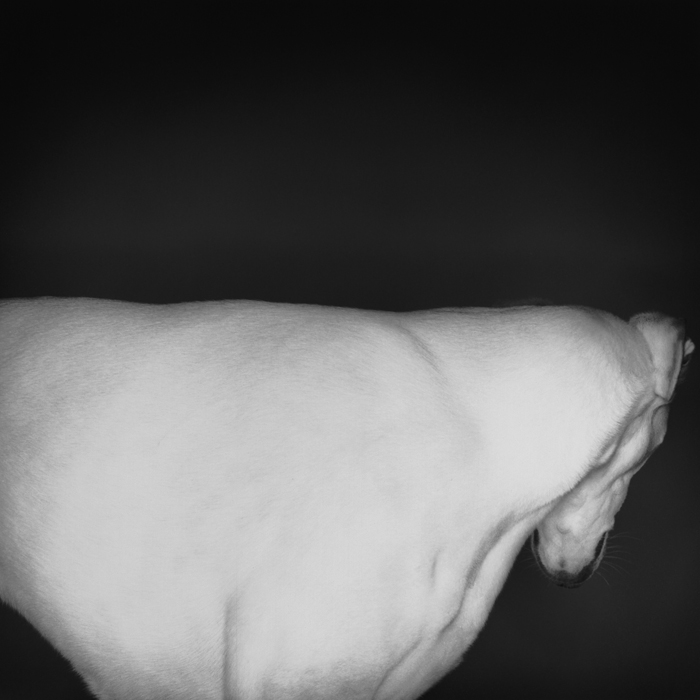
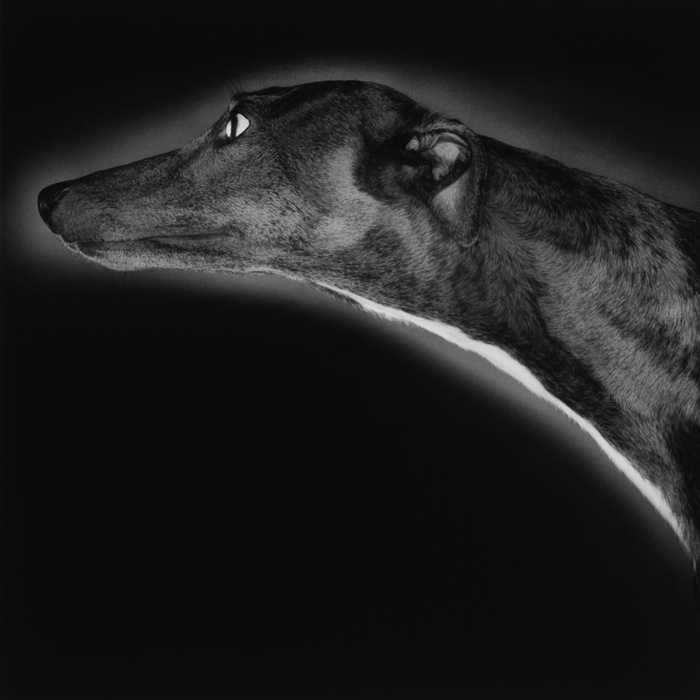
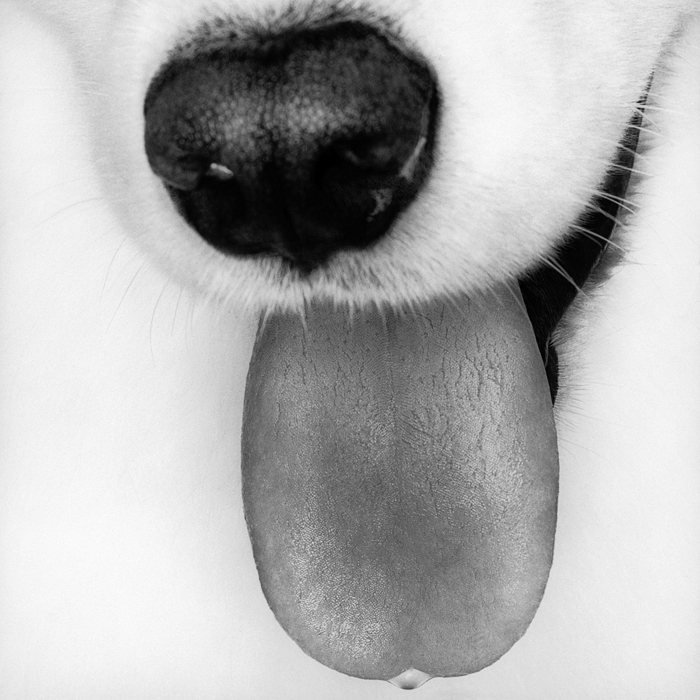
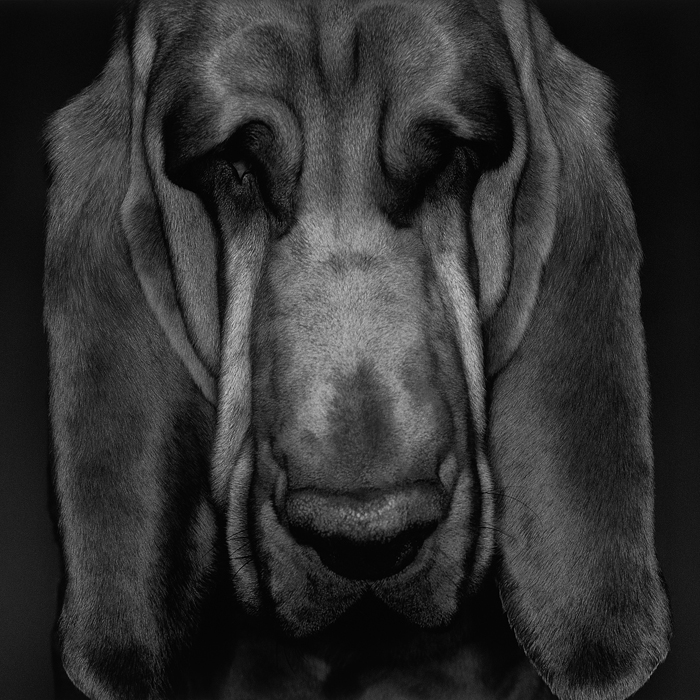
Recently, I had the opportunity and pleasure of speaking with and interviewing photographer Deborah Samuel.  Deborah Samuel is a Canadian artist, living in Santa Fe, New Mexico, and is the author of Dog and Pup.  After establishing a career in commercial photography, Deborah now focuses exclusively on her own photographic projects.


KATHERINE CARVER: What were your beginnings as a photographer and when did you realize it would become your chosen form of expression?

DEBORAH SAMUEL:  I worked commercially for many years in the music industry and branched into fashion and editorial portraiture in order to make a living and to remain creative in the photographic arts.  I worked in this industry for thirty years.  I was drawn to work that was conceptually strong and creatively compelling.  I was always drawn to the art of communication in photography.  I studied photography at Sheridan College, located outside of Toronto, Canada.  After college, I worked as a printer for two commercial photographers who worked in the fashion industry.  This provided me access to a studio to pursue my personal work.

Then, in my early twenties, in the late 1970s, I opened my own studio in Toronto, where I focused on fashion, entertainment, and editorial portraiture.  While working in these arenas, I always continued to work on my personal work, pushing the creative envelope.  I prefer to work on a variety of different and conceptually stimulating projects.  My personal projects are typically one to ten years in duration.  My work is very intuitively based.  I no longer live in a big city; I live in a quiet community outside of Santa Fe, New Mexico, which is very isolated and peaceful, which I find is an optimal place to create my work.


KATHERINE CARVER: Did you formally study art/photography?

DEBORAH SAMUEL:  I studied photography at Sheridan College, located outside Toronto, Canada; and I have thirty-five years experience working as a photographer.


KATHERINE CARVER: Did you envision your work with dogs to become published books?

DEBORAH SAMUEL: When I first started working with dogs, I did not envision this work published in book form.  I photographed dogs for ten years, from approximately 1997 through 2007.  In 1997, Ernie, my sixteen-year-old Yellow Laborador died.  I was heartbroken.  At that time, I realized that I had not taken a formal portrait of Ernie; I only had snapshots of him, and I did not want this to happen again.

Three new dogs came into my life after Ernie, all different breeds, and I found it fascinating to see how they all reacted differently to different issues posed to them.  I became really enamored with the emotional differences between each breed, which began my work with dogs.  I began searching out different breeds, and one thing led to another, and I began photographing and working with cross-breed dogs as well as I became interested in the breed differences not only physically but the emotional differences as well.  I have always had a love of dogs and animals, and I continued to compile more and more material relating to dogs.  I was fortunate to obtain a book deal with Chronicle Books who published Dog, 2001 and Pup, 2002.  However, my work with dogs ended when my Boxer, Jake, died, in 2007.  This was a very difficult time and I began contemplating the life/death divide, which was the catalyst for my next body of work entitled, Passing, exploring the journey of life and death using botanicals.


KATHERINE CARVER:  Where do you show/exhibit your work?

DEBORAH SAMUEL: I have exhibited my work in numerous galleries and traveling exhibitions.  I really credit the expanded interest in dogs, and my work with dogs, to the advent of the internet.  Dogs and other animals have always been a large part of our lives; however, we have become more isolated socially due to the arrival of internet.  As a result, our animals have become much more important to us as a means of connecting emotionally to ourselves.


KATHERINE CARVER: What gear do you use while photographing?

DEBORAH SAMUEL: I prefer my Hasselblad camera.  I prefer to use the square negative format.  All of my work with dogs taking place during 1997 through 2007 was shot using film. I experiment with different cameras and mediums as well.

My current exhibition, Elegy, was recently exhibited at the Royal Ontario Museum, located in Toronto, Canada, part of the Contact Photography Festival in Toronto.  Elegy, will be moving to Santa Fe, New Mexico, where I reside, in the fall of this year.   I used a flatbed scanner to create the Elegy images – a series of animal bones photographed against black.  With today’s accessible technology, it really brings into question – what is a photograph now?  Photography is different from other art mediums because of the evolving digital technology.  Photography is entering a new realm, which is really exciting to be a part of an evolving art form.  I do not affect my digital negatives anymore than I would affect my prints in the “silver printmaking world” by primarily utilizing burning, dodging, and spotting.


KATHERINE CARVER: Looking back on your accomplishments, to date, what are you the most proud of?

DEBORAH SAMUEL:  This is a difficult question to answer.  Each body of work I have completed is important in its own unique way.  My work with dogs was very important as it gave dogs a voice emotionally to be seen and heard.  Also, animal activism is important to me  – leaving people with a new way of looking at animals in the natural world.  Most of all, I am in my element when I am creating and making my work, which I am very passionate about.


KATHERINE CARVER: What are you working on now?

DEBORAH SAMUEL: I typically do not disclose what I am currently working on because the work can and usually does change during the process of working through ideas.


KATHERINE CARVER: What photographers inspire your work?

DEBORAH SAMUEL:  The photographers who inspired me are Horst; Diane Arbus; Arnold Newman; Irving Penn; and Yousuf Karsh.


KATHERINE CARVER: What advice do you have for aspiring artists/photographers?

DEBORAH SAMUEL: Follow your passion, even if you do not know what lies on the other side.  Passion is infectious to people; and passion is at the root of creating art.  Keep believing in your work and use your passion to help you push through and keep going.  The right thing(s) happen when it is supposed to happen.  Most importantly, put your work on the line and keep pushing your boundaries.

For further reading, please visit Deborah Samuel’s website.


All images contained in this blog post were used with the permission of Deborah Samuel.

You can read additional interviews here.
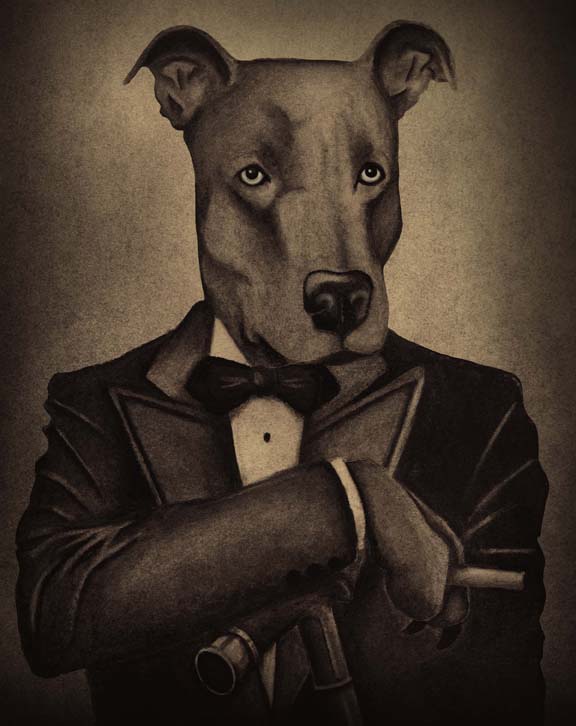
Interview with Kim Levin, Kim Levin Photography

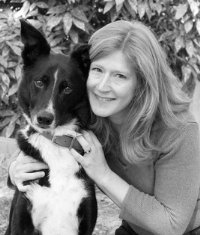
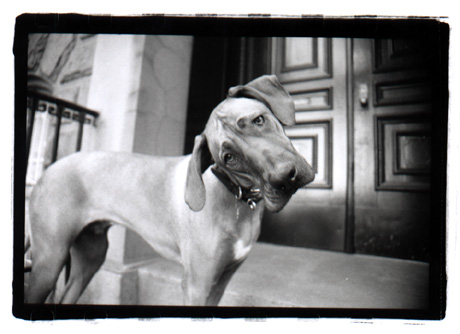
I am happy to be interviewing Kim Levin, Kim Levin Photography.  Kim has been photographing dogs and working as an animal welfare activist for many years.  Please read my interview below also containing some of Kim’s work. 

KATHERINE CARVER: What were your beginnings as a photographer and when did you realize it would become your chosen form of expression?

KIM LEVIN: I bought my first camera when I was twelve-years-old with babysitting money I had earned. My favorite subjects back then were my friends and my dogs ironically.  I also loved taking landscape images.  In college (I graduated from the Newhouse School of Public Communications at Syracuse University), I took several photography courses, however, I graduated with a BA in advertising.

I was working in the advertising business in New York for about seven years and continued to take photography courses at the International Center of Photography.  At about the five year mark in the ad business, I realized that I wanted to pursue a different path.  I had always had a passion for dogs and animal welfare so I started a personal project called Create A Home.  I went to the National ASPCA and took portraits of the dogs there, and created posters to help raise awareness about animal adoption.  This was back in 1996 when there weren’t a lot of animal photographers.  In fact, it was a relatively new niche and I felt that it was one that I could excel at.

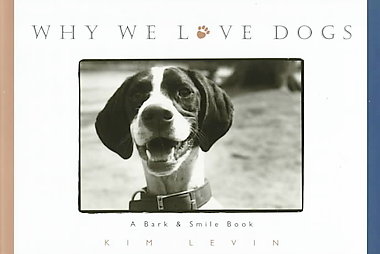
In 1996, I began my pet portrait business, Bark & Smile Pet Portraits, and by 1998, I left my full-time job in advertising to pursue my photography.  I also had my first book, Why We Love Dogs  (Andrews McMeel), coming out that fall of 1998 and so it seemed like the timing was right.  I was also young (I was twenty-eight-years-old when my first book came out) and I didn’t have the commitments that I now have that would have held me back.

While in advertising, I learned a lot about brand management working for blue chip clients like Nabisco and Avon so I figured what better brand to manage than my own.  After several years of my photography business I changed the name of my business to Kim Levin Photography because at that point I had many books published under my name and I felt that my name had more equity in it than Bark & Smile.

KATHERINE CARVER: Did you study photography formally, or are you self-taught?

KIM LEVIN: Essentially I am self-taught.  As mentioned above, I did take several photography courses in college and right afterwards, but I have never had formal training.

KATHERINE CARVER: How do you balance your personal work and your commercial work?  Does one feed the other?  Or does the commercial work support your passion?

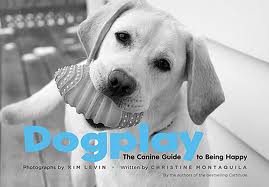
KIM LEVIN: I never tend to think of it as two separate entities.  For the first ten years of my business, I concentrated on the publishing end of things primarily because that was an area that had momentum.  I would finish one book and I would already be on the next big idea by the time that book came out.  My last gift book came out in 2010  – it’s called Dogplay, the Canine Guide to Being Happy, and I have to admit I was kind of stumped on what to work on next.  I had published 18 dog and cat gift books by this point and I wanted to re-group and really figure out what personal project would excite me.

I always continue to try to build my commercial work but what has worked best for me, is to find a project that I care about or have passion about and then the work tends to follow.

One of the new projects I do have coming out developed out of a personal loss.  Two years ago, we lost our beloved dog Charlie.  It was heartbreaking for me because he was my first dog as an adult and even though I now have two children, I felt his loss deeply.  A friend and colleague of mine (who I collaborated on Dogma with in 2002) had also lost her dog within the same few weeks.  We subsequently created a new sympathy book and card line called Saying Goodbye (licensed by Sharper Cards) which is coming out this year.

KATHERINE CARVER: What was the impetus that inspired you to begin shooting dogs (and other animals)?  Did you always intend for it to be published in book form?

KIM LEVIN: Initially, I just wanted to take dog pictures.  I worked hard to develop my own style and created a niche business that combined doing commissioned assignments with licensing and publishing on the side.  I figured out pretty quickly that if I wanted to make my living as a pet portrait artist, I would have to find a way to showcase my work.  So the books and products evolved from there.  My first book came out prior to any of my other licensed work (cards, journals, calendars), however, that was not my original intention.  But it sort of laid the groundwork for everything that came thereafter.
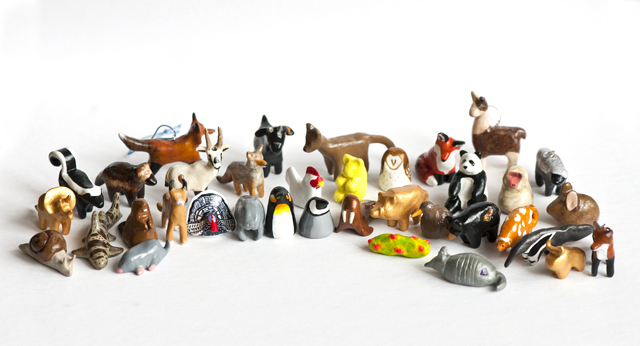
KATHERINE CARVER: Can you discuss your personal and ongoing involvement as an animal welfare activist?

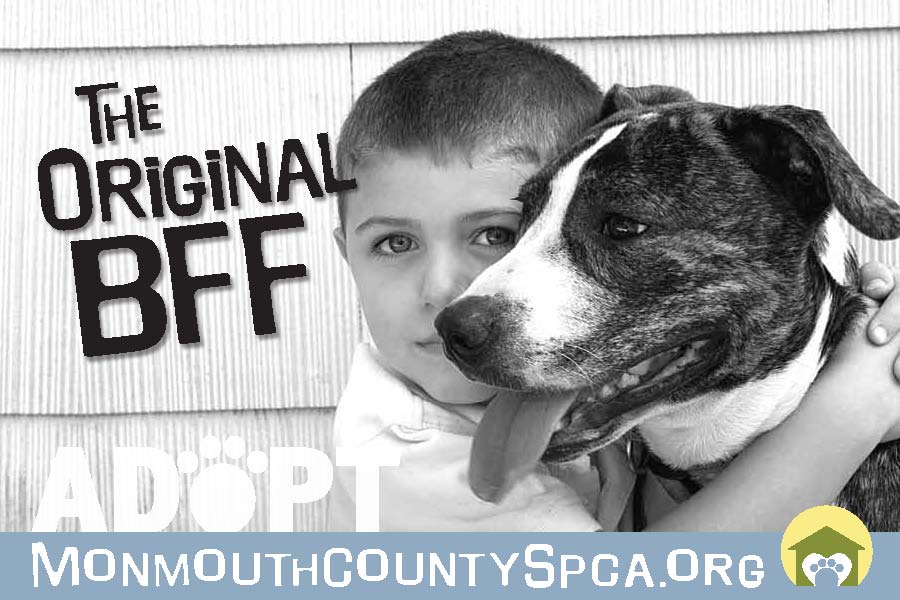
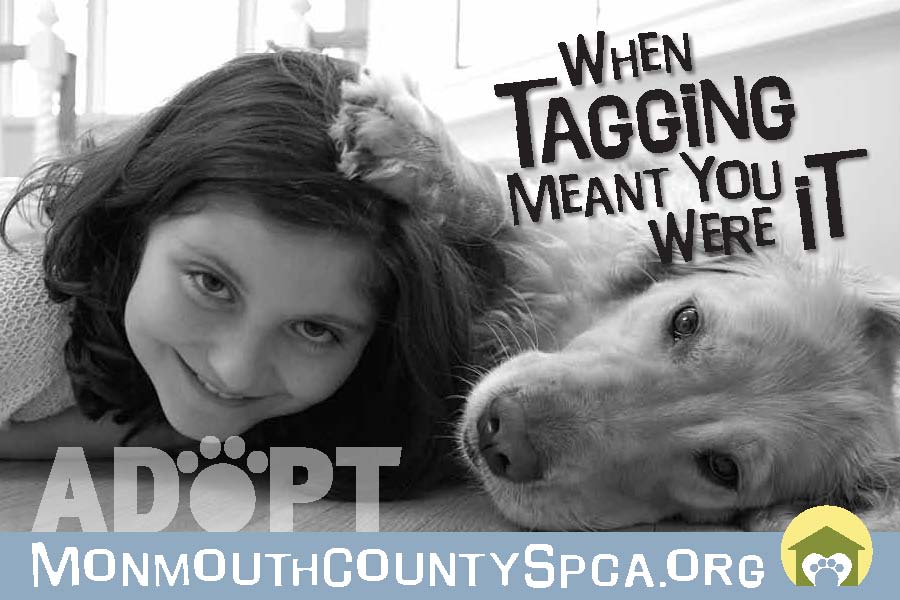
KIM LEVIN: This too has evolved over the years.  After I started the first project I mentioned called Create A Home, I worked on the National ASPCA’s annual calendar for four years.   At this point, I was already living in New Jersey and I wanted to help with my local shelter so I started a calendar program with the Monmouth County SPCA which ran for four years as well.  That program raised over $100,000.00 for the shelter and it helped create the lasting partnership I have had with them over the years.  Last summer, I was proud to have photographed their very first advertising campaign. Print and outdoor ads ran through Monmouth County, New Jersey.

I have always felt that each and every animal photographer in this country can make a tremendous difference through their photography and affiliate themselves with their local shelters promoting animal adoption.  I know many who do and it is this grassroots effort that will make a difference for the millions of homeless animals in the United States.


KATHERINE CARVER: Where do you teach photography?

KIM LEVIN: I  have been teaching adult education photography courses at Brookdale Community College (located in New Jersey) for three years now.

KATHERINE CARVER: Where do you show your work?

KIM LEVIN: I have my work displayed at various locations (local vet hospitals, numerous New Jersey shelters, local coffee shops and the various libraries in my area).  The Monmouth County SPCA also has prints from the four years of calendars that I photographed gracing the walls of their new facility.

KATHERINE CARVER: What gear to you use?  Are there any favorite lenses you keep on your camera most often?

KIM LEVIN: My main camera is a Nikon D200.  I use my 18-70mm wide-angle lens most often, but I recently purchased an 80-200mm telephoto lens that I love.  I don’t have as much a need to use it though.  I also use a Photoflex Light when I am shooting indoors.

KATHERINE CARVER: Looking back on your accomplishments, what are you the most proud of?

KIM LEVIN: That’s a tough one to answer!  There are several books I have tackled over the years that when I finished I said, “that was really hard to shoot!”  The first one I can think of was called Working Dogs. Tales from Animal Planet’s K9-5 World  (Discover Books/Random House).  I was hired by the Discovery to travel for two months across the county and photograph working dogs. I had to book all of my own travel and traverse the country in two months. I was a fish out of water but I had the opportunity to photograph the eighth generation Lassie and the Governor Jessie Ventura and his dog for the book.

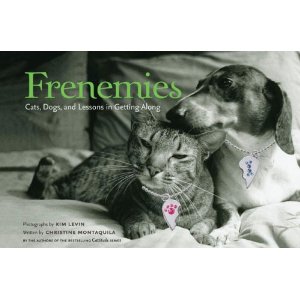
The next difficult book I completed was my book entitled, Frenemies. Lessons from Cats and Dogs about Getting Along (Stewart Tabori and Chang).  Each shoot was with a cat and dog together and you can only imagine some of the scenes I encountered.  About a third of all the shoots I did, didn’t work out but I was happy with how the final book turned out.

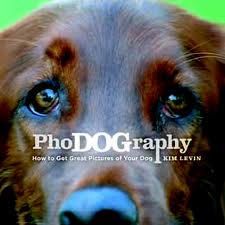
PhoDOGraphy. How to Take Great Dog Pictures (Amphoto Books) was particularly challenging for a different reason.  I had five months to write the book which was essentially a “how to” book about dog portraiture. The photography was the easy part because most of it had been photographed, however, writing about how you take a certain picture was challenging.  I woke up every morning at 6:00 am to work on the book for five months because my children were 4 and 2 years old at the time and I couldn’t work on it during the day or night!
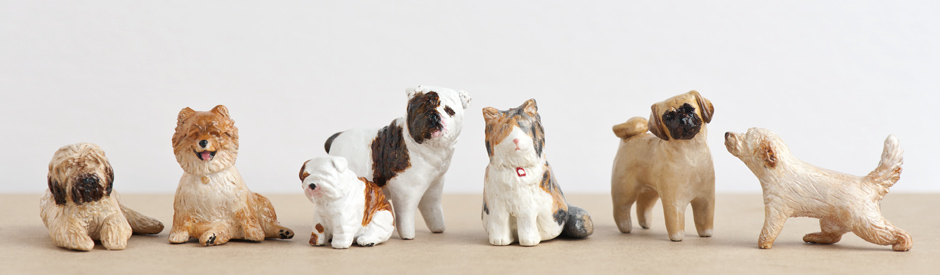
The last accomplishment I will always remember was photographing the rescue dogs at Ground Zero in 2001.  I was given an assignment from Bark Magazine to cover the rescue effort and it was inspiring to see the unbelievable work the dogs and their handlers did.  It was a time I will never forget.

KATHERINE CARVER: What are you working on now?

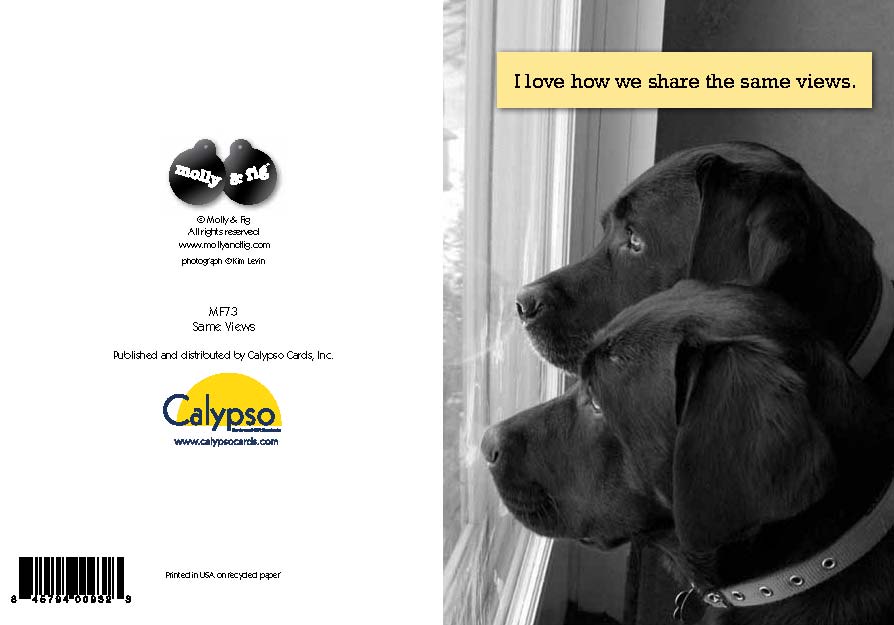
KIM LEVIN: I have been working hard on my Molly & Fig™ card and magnet line.  I am also in the process of determining my next bigger book project.  As I stated earlier, I have waited some time to find a project I will be inspired by.  I am also looking forward to the Saying Goodbye book to come out from Sharper Cards this fall.  The book will be a gift to their vet network throughout United States and Canada.
KATHERINE CARVER: What photographer(s) inspire your work?

KIM LEVIN: I love Mary Ellen Mark.  She is the consummate photo-documentarian.  From the dog photography world, Elliot Erwitt has always been a big inspiration as well as William Wegman.

To see more of Kim Levin’s work, please visit her website.

All images are courtesy of Kim Levin.

You can read additional interviews here.