Skip to content

Posts from the ‘Interviews’ Category

Interview with Mary Shannon Johnstone, Photographer

Interview with Mary Shannon Johnstone, Photographer

DSC_0331             Photo Credit: Cindy Yandle.


Recently, I had the great honor and privilege of interviewing Mary Shannon Johnstone  (“Shannon Johnstone”) a photographer and professor residing in Raleigh, North Carolina.  A selection of Shannon Johnstone’s work is displayed below.  Please visit Shannon Johnstone’s website to view more of her wonderful work.


KATHERINE CARVER: What were your beginnings as a photographer and when did you realize it would become your chosen form of expression?

SHANNON JOHNSTONE: I always liked photography.  My Dad had a camera and I would borrow it to take random pictures.  I got my first camera from a Happy Meal.  It was a plastic 110 camera, about 2” long, and I used it to take pictures of family and friends.  I carried it around with me everywhere and wanted to document every detail.  I think I was afraid I would forget who I was and the tiny toy camera made feel secure.


KATHERINE CARVER: Where did you study photography?

SHANNON JOHNSTONE:  I earned my undergraduate degree (BFA) from The School of the Art Institute of Chicago, and my graduate degree (MFA) from the Rochester Institute of Technology.
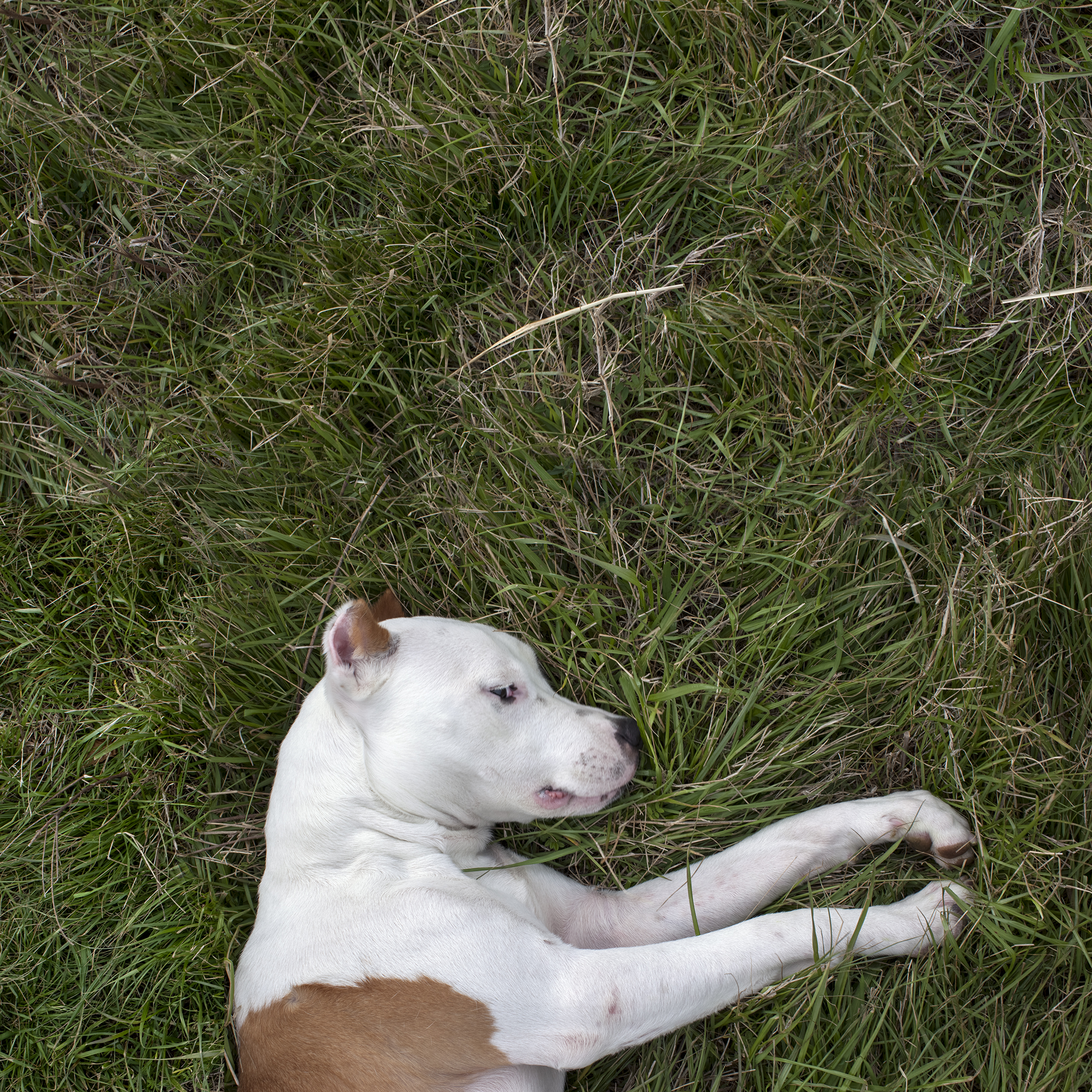
01_17_13_ice_frosting_82263

KATHERINE CARVER: How do you describe your style?

SHANNON JOHNSTONE: My hope is to continually challenge myself and try new things out so that the work doesn’t get stagnant and repetitive.  In fact, when I start to feel like I am making the same picture over and over, and it feels stylistic, I try to do something different.  I hope the consistency in my work comes from what I admire most in others work—creating images that are at once sad and beautiful and teach us about what this life means.


KATHERINE CARVER: Can you describe the time when you first realized that photographing was absolutely something that you had to do?

SHANNON JOHNSTONE: I started my undergraduate work at the University of Wisconsin, Madison.  When I was a sophomore, Carrie Mae Weems came to speak about her work “Ain’t Jokin”.  I was mesmerized.  Before seeing her work I had only thought of photography as something that illustrated what the world looked like.  She opened my eyes to thinking about photography as a catalyst for communication (as opposed to literally telling you something).  Her work is so poetic, challenging, and lingers with you long after you see it.  It is at once sad and beautiful, and teaches you what it means to be human.  She ignited a spark in me and made me want to engage in this language.  The next year, I transferred to The School of the Art Institute of Chicago to pursue fine art.

07_07_13_karsten3_87239

KATHERINE CARVER: Have you always had a passion for dogs and animals?

SHANNON JOHNSTONE: Yes, I have always loved animals, and dogs in particular.  I love their earnestness and the way they freely express emotion.  I promised myself when I graduated from grad school and had a stable job I would get a dog.  I adopted my first dog, Lula Belle, from Triangle Beagle Rescue in 2002.  It was love at first sight.
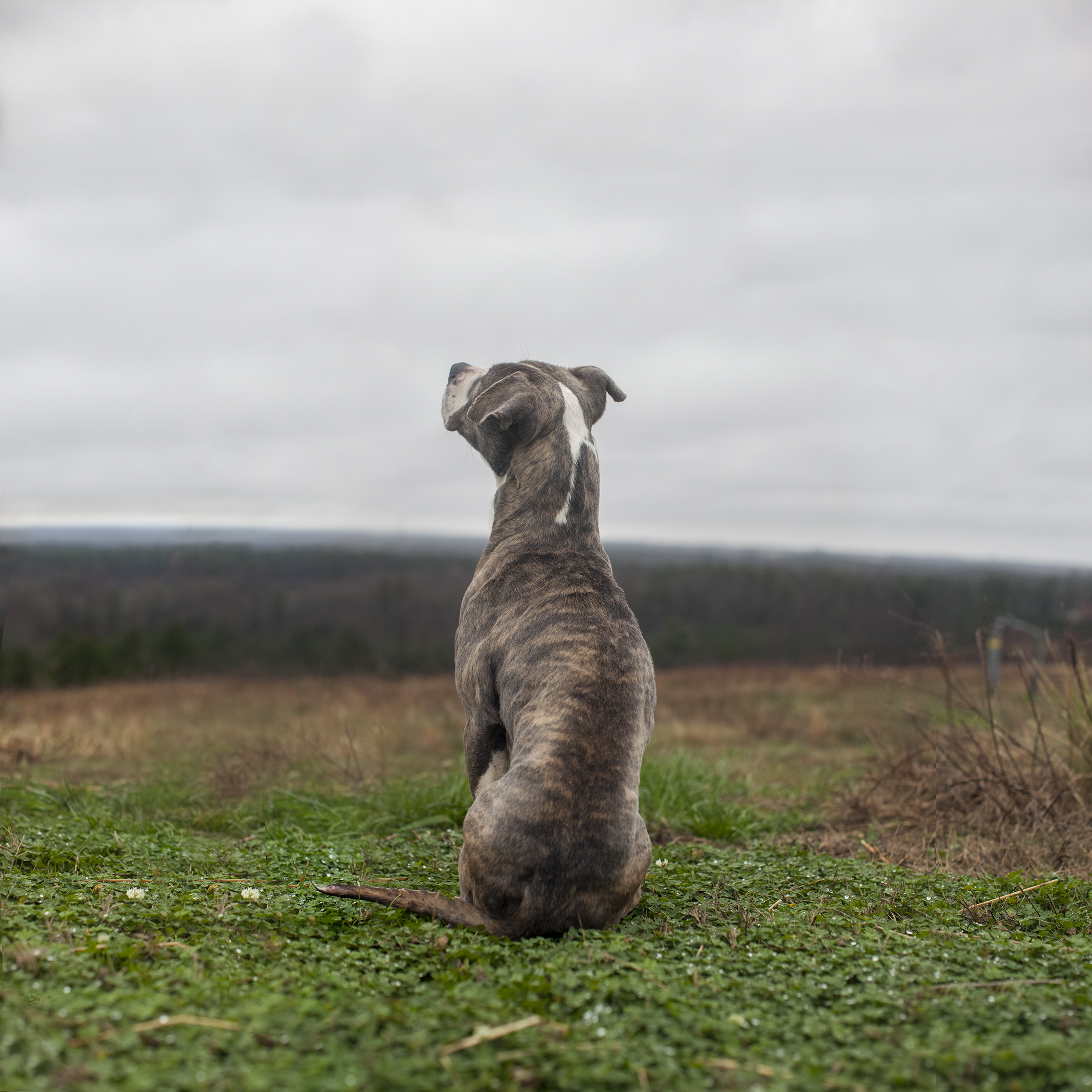
02_07_13_nala_81134

KATHERINE CARVER: What was the impetus that inspired you to begin photographing dogs in your series entitled, Landfill Dogs?

 SHANNON JOHNSTONE: When I began to reflect on “Breeding Ignorance” (where Discarded Property and Shelter Life come from), I started to feel frustrated.  The work did not have the impact I wanted it to.  It seemed to turn as many people off as it attracted.  Also, people tended to pull individual images out of context and use them to advocate for a particular position, often ones I did not agree with.  I wanted to continue with the theme that thousands of animals are dying each year in our shelters, but wanted to create images that left the viewer empowered and motivated, rather than heart-broken.  This is how Landfill Dogs came about.
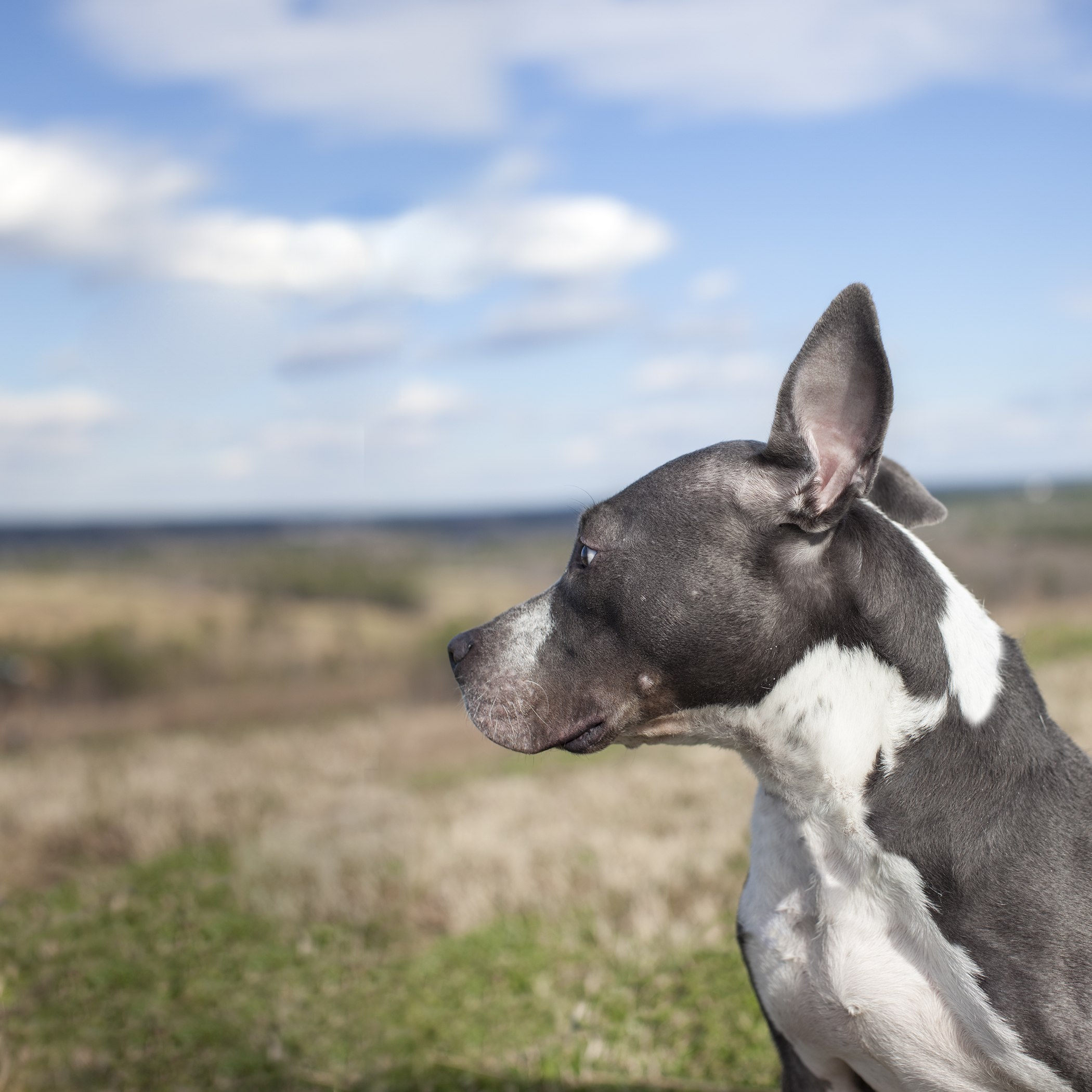
02_03_13_momma2

KATHERINE CARVER: What was the impetus that inspired you to begin your two series entitled Discarded Property and Shelter Life?

 SHANNON JOHNSTONE: I thought if people could just see what goes on, could see this hidden tragedy, they would WANT to spay and neuter and stop breeding pets.  I thought if I made visible the euthanasia process, and the loneliness, confusion, and despair of these creatures in waiting, people would want to do better.

Instead what happened was people blamed the county shelters.  This was really upsetting to me.  The county is carrying out our dirty work.  While the burden of ending these poor creatures lives is forced upon the shelter workers, the culpability lies with our society as a whole.  In the eyes of the law, these dogs are merely excess property to be disposed of.  And whether it is for profit or simply an unwillingness to alter their animal, people are free to breed as many more dogs as they like, creating this epidemic of overpopulation.

This is how Landfill Dogs came about. Reflecting this societal value, the county animal shelter falls under the same government management as the landfill.  Unwanted animals are just another waste stream, destined to decompose in landfill among the rotting mattresses and rusting appliances.


KATHERINE CARVER: How have your own dog(s) influenced your work?

 SHANNON JOHNSTONE: I often imagine them in the shelter.  The dogs in the shelter are no different from my dogs.  Often, they are even better behaved!  But I imagine how my dogs would react and feel being left alone in a foreign place, spending 23.5 hours a day in small cage, with 25 other dogs barking and crying in the same room.  It is overwhelming and heartbreaking.
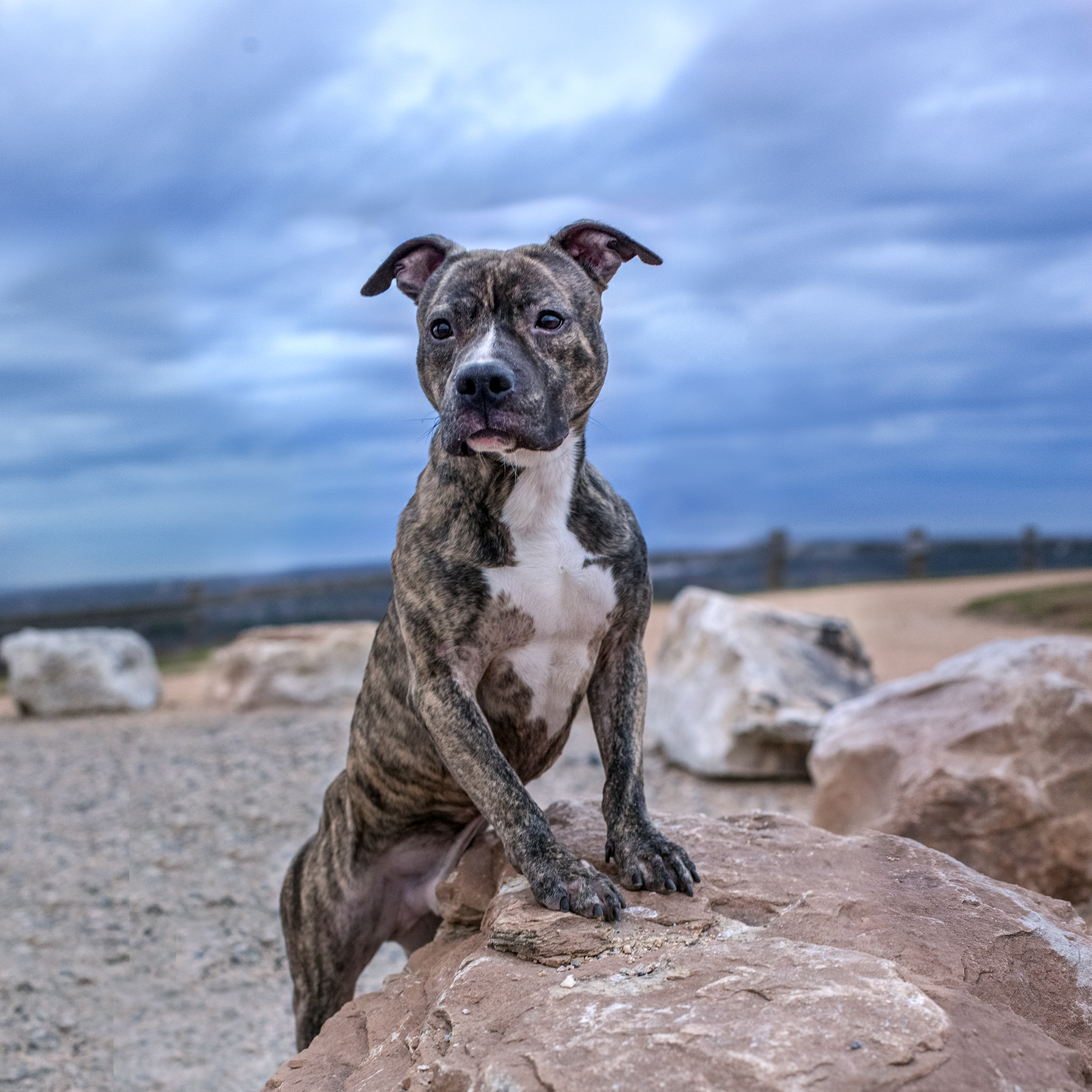
11_15_13_quinn_72750

KATHERINE CARVER: How does teaching and being a photography professor impact your own work?  

SHANNON JOHNSTONE: I love talking about photography and love being part of students getting excited about making work.  It makes me happy. In terms of my own work, my college (Meredith College) is extremely supportive of me pursuing my own work and scholarship.  They provide me with resources, and sabbaticals, and I feel extremely lucky and proud to be at an institution that values art, research, and innovation.


KATHERINE CARVER: Where do you show/exhibit your work?

SHANNON JOHNSTONE: I have had a number of exhibitions locally (Raleigh, NC), recently at Artspace and Design Box.  I also participate in group exhibitions across the country, and occasionally internationally.  In October and November, my work was included in “Dogarta” at bestregARTS in Frankfurt, Germany, and “Abandoned Animals Don’t Cry” at Pier 2 Art Centere in Kaohsiung City, Taiwan.
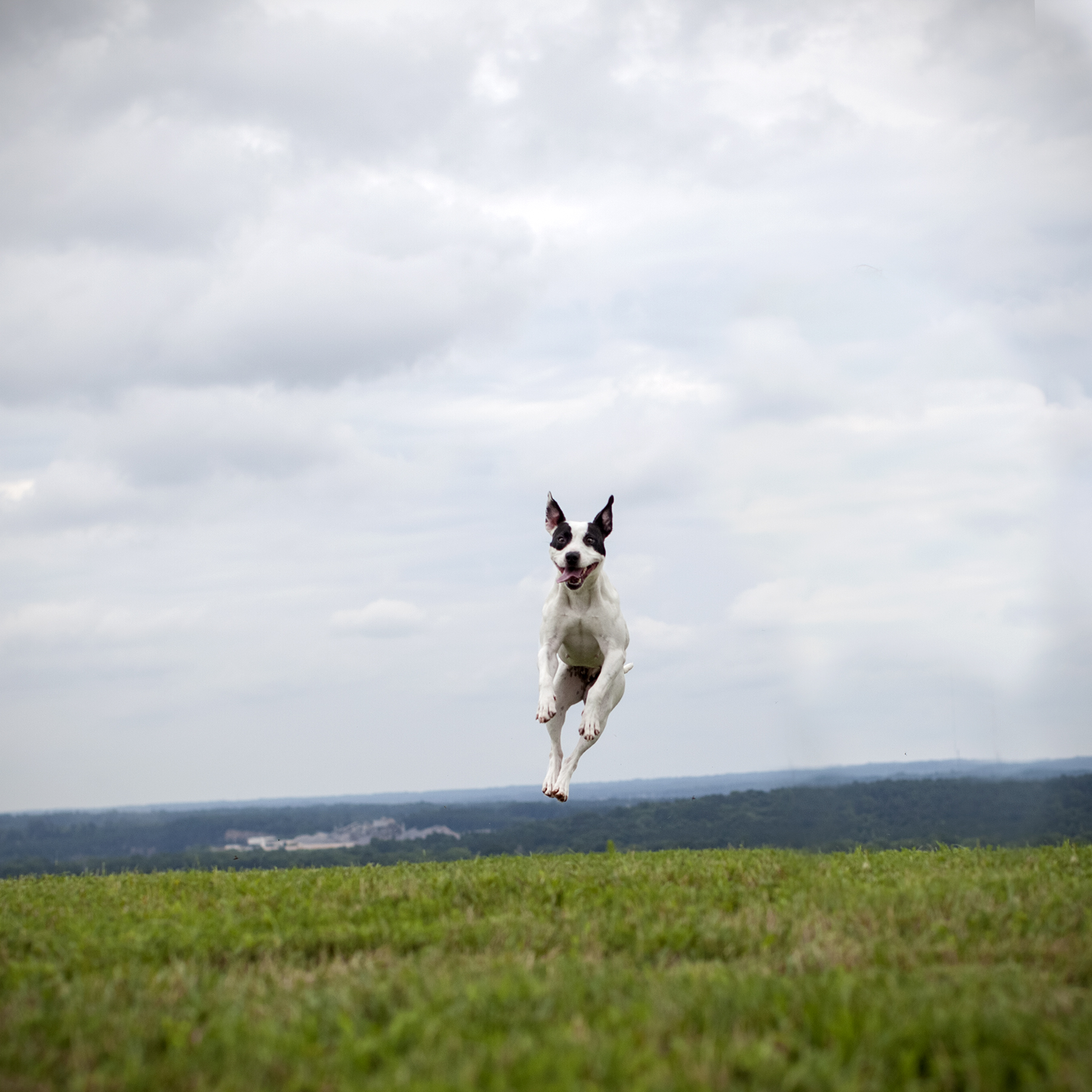
07_11_13_tickles_892562 

KATHERINE CARVER: What does “being creative” mean to you?

SHANNON JOHNSTONE: I think being creative means a commitment to continually challenging yourself.


KATHERINE CARVER: What is the most challenging aspect of being a photographer?

SHANNON JOHNSTONE: I love what I do, so I consider it a blessing that I get to photograph everyday.  Since I am an Associate Professor at Meredith College, and teaching is a big part of my life, I would say making the time to pursue my own work is probably the biggest challenge.  Of course, sabbaticals (like the one I am on now) help with that!
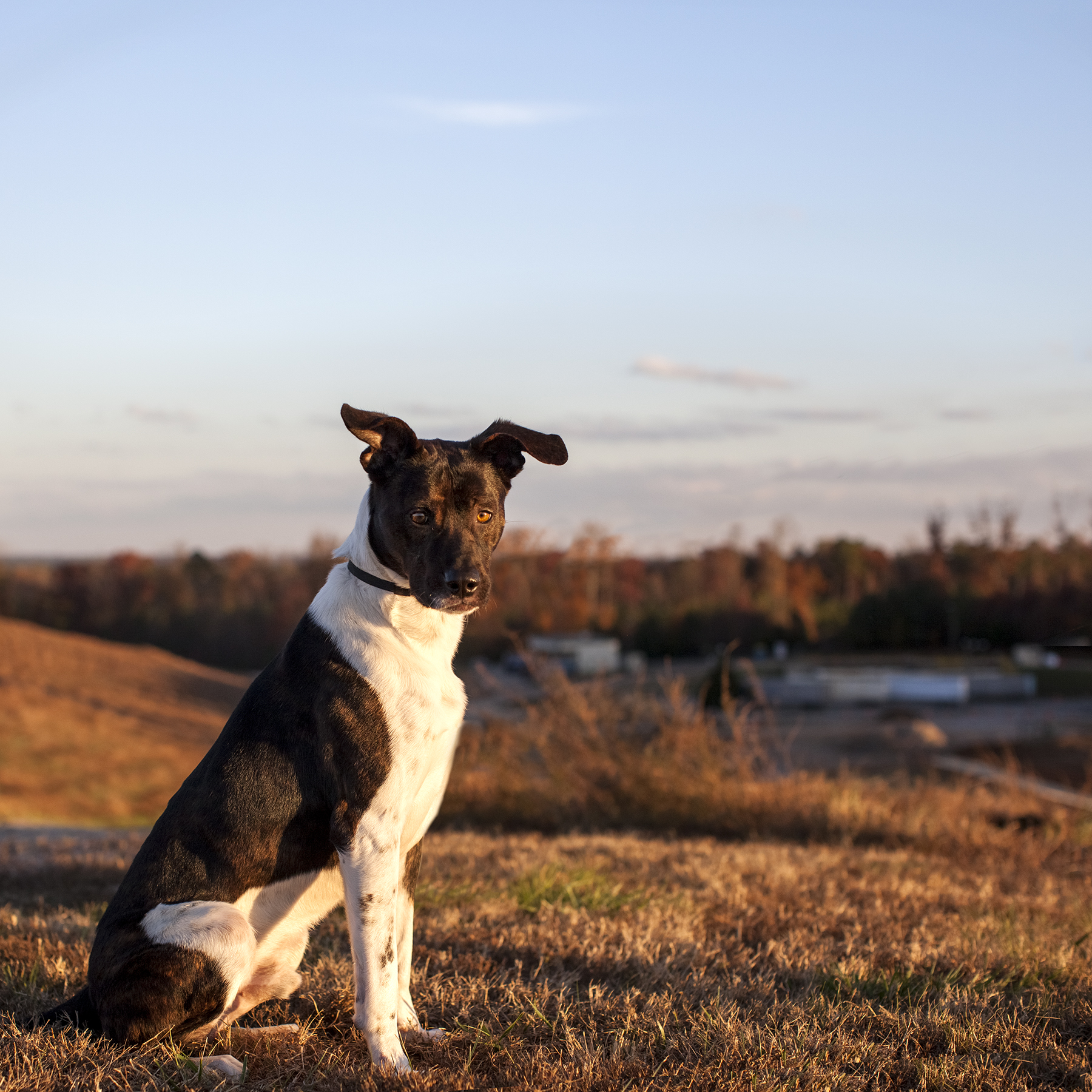
11_18_13_kieffer_91027 

KATHERINE CARVER: What inspires you to keep going and what keeps you motivated?   

SHANNON JOHNSTONE: My passion for making images keeps me going.  It makes me feel alive.


KATHERINE CARVER: What are the most rewarding and satisfying part about being a photographer and creating art?

SHANNON JOHNSTONE: The most rewarding is making images that inspire you.  To create something that did not exist before and see that thing communicate and move other people is one of the best highs I have ever felt.

10_03_13_ellie_and_the_landscape_square

KATHERINE CARVER: What kind of patterns, rituals, and routines do you have while making your art?

SHANNON JOHNSTONE: Everyday is different.  But when I shoot digitally, each night I download my pictures into a folder with the date, reformat the card, and recharge the battery, and then zip up the camera bag.  I know this is really simple, but having my camera ready to go means I can think about other things that will inevitably come up.

Also, I photograph every single day.  I make sure I take at least one picture every day.  I truly believe if you want to be engaged with art, you need to nurture it every day.  It is not something you take a vacation from. It is something you live with.  I keep a digital journal with all of these photos (organized by date, and a brief comment), and I print it out as a Blurb book once a year.


KATHERINE CARVER: Looking back on your accomplishments, to date, what are you the most proud of?

SHANNON JOHNSTONE: I am most proud that my photographs are playing a part in helping shelter animals to get homes. 

12_21_12_mistletoe2_81087

 KATHERINE CARVER: What are you working on now?

SHANNON JOHNSTONE:  I am still in the midst of Landfill Dogs. My hope is to create a second phase of the project where I visit each of the 100 county shelters in North Carolina and do a portrait there of their longest term residents.
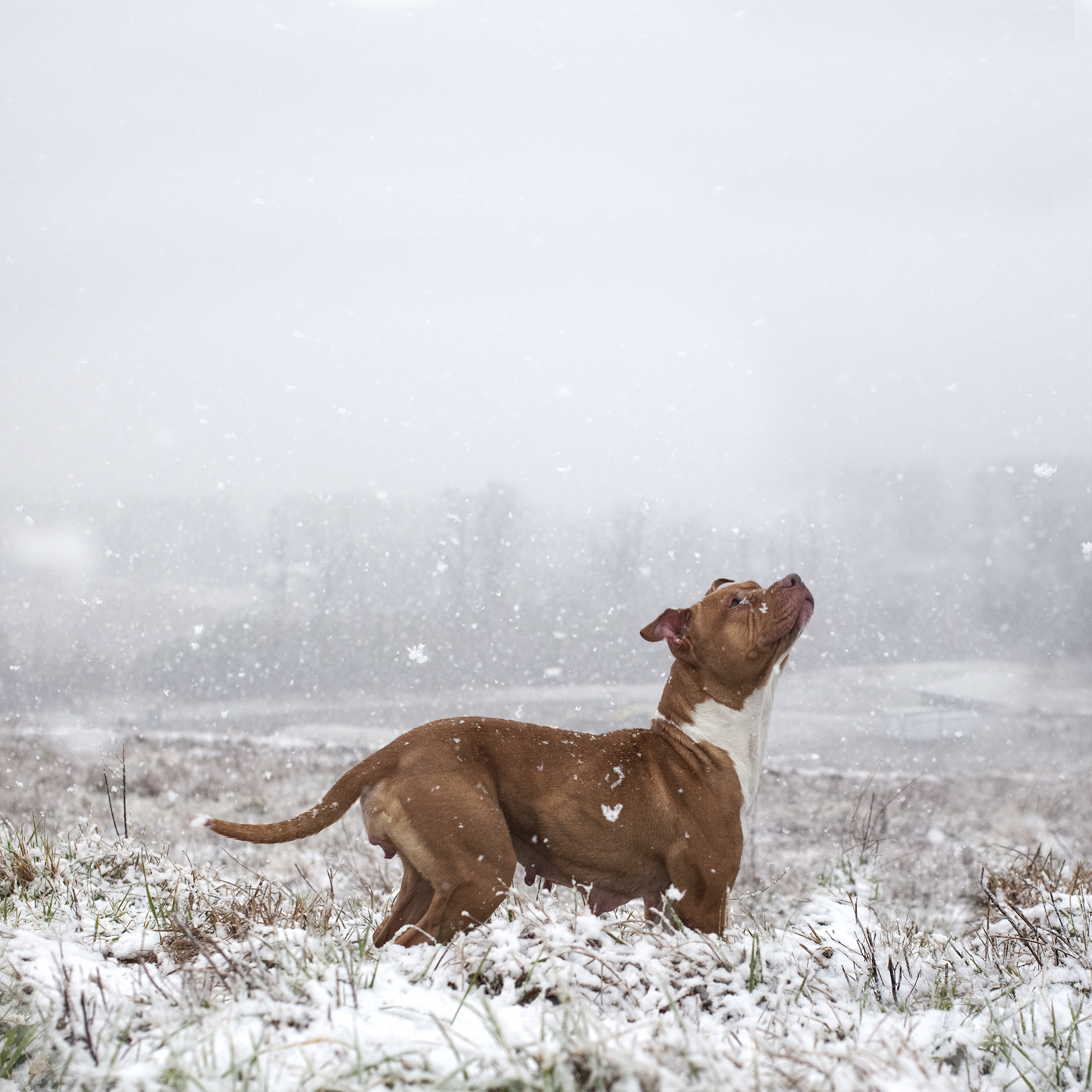
02_16_13_rose_82564

KATHERINE CARVER: What artists inspire your work?

SHANNON JOHNSTONE:  Oh, wow.  There are so many.  Right now I have been loving and looking at Chris JordanCarrie Mae-WeemsFelix Gonzales-TorresDaniel Naude, and Richard Misrach.  I have also been looking at the painter, Andrew Wyeth.
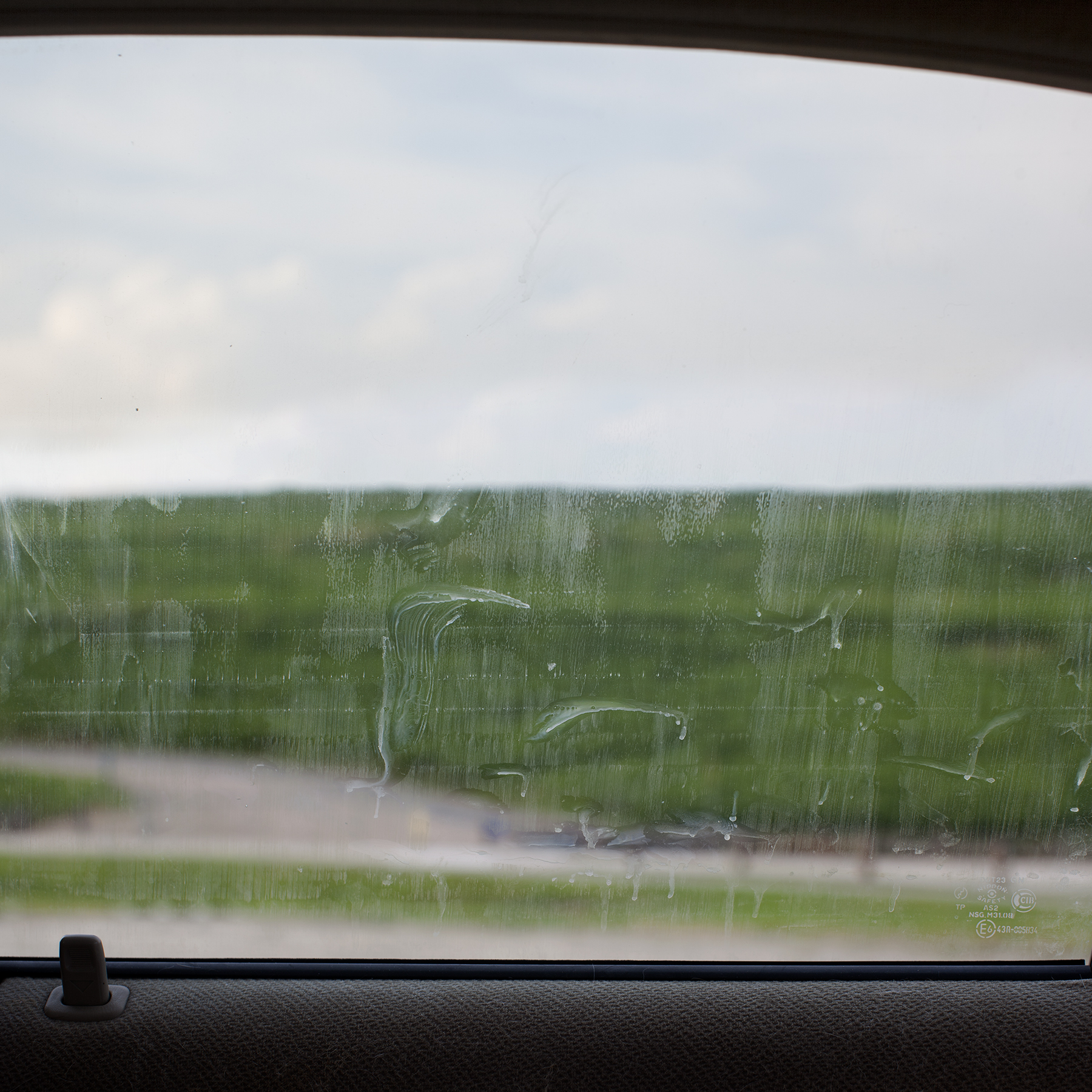
08_23_13_nose_prints_and_landfill

KATHERINE CARVER: How can people view and/or purchase your art works?

SHANNON JOHNSTONE:  I will be having an exhibition at Artspace in Raleigh, North Carolina in January 2014. The Landfill Dogs series is editioned and has already begun being collected. For print purchases, please email me privately at info@shannonjohnstone.com.

All images are courtesy of Shannon Johnstone.

You can read additional interviews here.

Interview with Jesse Freidin, Photographer

Interview with Jesse Freidin, Photographer

jesse friedin


Recently, I had the pleasure of interviewing Jesse Freidin, a photographer residing in San Francisco, California.  A selection of Jesse Freidin’s work is displayed below.  Please visit Jesse Freidin’s website to view more of his work.  Jesse also does commissions upon request.


KATHERINE CARVER: What were your beginnings as a photographer and when did you realize it would become your chosen form of expression?

JESSE FREIDIN: I’ve been fascinated with photography for as long as I can remember.  I had a pretend Fisher-Price toy camera when I was very little, and I’m sure that was my photography ‘root.’ In college all my friends were artists, but I never considered myself one of them because the photography I did was simply for myself, and for fun.  It took a while to let myself realize how deeply connected I was to photography, and allow myself to pursue it as a profession.  I think it’s so important to let ourselves do what we love most, and work to turn it into a career.


KATHERINE CARVER: Did you study photography formally?

 JESSE FREIDIN: I didn’t have the foresight to go to art school, but took a few classes at City College in San Francisco to learn about lighting and darkroom printing when I moved to California.  As much as I think I missed out on the intensity and wealth of knowledge that comes from an art school education, I don’t think it’s necessary in order to become an artist. 


KATHERINE CARVER: How do you describe your style?

 JESSE FREIDIN: I ask a lot from my subjects — presence, honesty, emotion and a true willingness to participate.  And I do my best to offer that back.  My style of photography is very explorational and voyeuristic, forcing my subjects and viewers to experience a moment of connection that I myself am simultaneously experiencing.

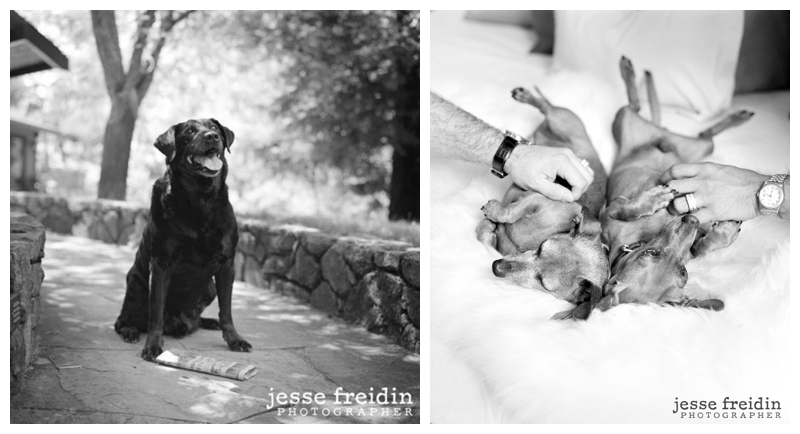
 kids_and_dogs_photography


KATHERINE CARVER: Can you describe the time when you first realized that photographing was absolutely something that you had to do?

 JESSE FREIDIN: What a great question.  Yes — I had been encouraged to take a photography class at City College just experience what it would feel like to be in a learning environment with other photographers.  The first day in the darkroom we began learning about contrast and in the process of making my first class print I knew I would do this for the rest of my life.  I was not there to get a degree, I was there to become immersed and dedicate myself to the work. It was a magical moment.


KATHERINE CARVER: What was the impetus that inspired you to begin photographing dogs/animals?

 JESSE FREIDIN: When I moved to California many years ago, I had never taken a portrait of an animal, and was a little afraid of dogs.  I got a job at a dog daycare just to pay the bills.  The first day at work, in the middle of a huge group of barking dogs, this enormous pit bull named Lennox came up to me and we made an instant emotional connection.  Suddenly, all the dogs became quiet, and I felt at ease.  From there, I became obsessed with exploring the human/animal bond, and have spent every day around dogs since. 

 JesseFreidin.dogphotographer4


KATHERINE CARVER: What gear do you use while photographing?

 JESSE FREIDIN: I use a Hasselblad 500C and a Contax 645 with 120 black and white film.


KATHERINE CARVER: Why do you choose to photograph using film, an analog medium?

 JESSE FREIDIN: Film has always been an integral part of photography for me. It’s what I learned on, and it is how I create my images. Photography is a tactile medium — choosing aperture and shutter speed and film speed and chemistry and development time etc. — those are all things that are intrinsic to the process.  Analog photography simply lets me create the best images I can create, and allows me to be fully in control of the creative process.


 KATHERINE CARVER: How have your own dog(s) influenced your photography?

 JESSE FREIDIN: I have a Boston Terrier named Pancake.  He is a very good dog.  He loves being photographed, and is of course my favorite dog model.  Raising him as a puppy, and spending every second with him for the past seven years, our relationship has certainly influenced my work as it has given me the opportunity to grow alongside an animal, and really live within that bond.  Just like you can’t photograph a human without allowing yourself to be present in that portrait, I believe you can’t photograph an animal without truly knowing what that bond feels like.


 KATHERINE CARVER: Where do you show/exhibit your work?

 JESSE FREIDIN: I exhibit my work at galleries around the country, and sometimes at special boutiques when invited.  My exhibit ‘American Sporting Heritage’ is just ending a three-month run at the amazing National Sporting Library and Museum in Virginia, and I’ll be putting up a handful of new exhibits around San Francisco and Los Angeles in the beginning of the year.


KATHERINE CARVER: What does “being creative” mean to you?

JESSE FREIDIN: Being creative means speaking in an authentic voice, and turning your intuitions into physical material — three- dimensional or otherwise.  I think being creative also means being an individual, and making something that no one has ever made before.

los_angeles_dog_photography


KATHERINE CARVER: What is the most challenging aspect of being a photographer?

 JESSE FREIDIN: For me, running a business is the hardest part of being a photographer.  Though I actually really love being a small business owner and partaking in all the things that comes with that, it exercises a very different part of my brain.  The photography part comes naturally.  But I’ve found a way to be creative in my business practices as well, and I love helping my clients invest in work that inspires and moves them.


KATHERINE CARVER: What inspires you to keep going and what keeps you motivated?  

 JESSE FREIDIN: I wake up everyday and get to do what I love most – that is inspiring.  And I get to share that with my wonderful clients, and help them articulate emotions that they cannot articulate themselves.  That is incredibly motivating.


KATHERINE CARVER: What is the most rewarding and satisfying part about creating and being a photographer – especially photographing animals?

 JESSE FREIDIN: Artists are all fairly weird people.  We see things differently and have a visceral need to make a statement about it.  I believe that our society has such an intense symbiotic relationship with dogs, yet we fail to speak seriously about it. It is very satisfying to be creating a new kind of discourse about the dog/human bond that is based on realness and emotion.

 corgiinabowtie.polaroid


KATHERINE CARVER: What kind of patterns, rituals, and routines do you have while making photographs?

 JESSE FREIDIN: I think all photographers are simply constantly taking photographs with their minds.  It’s not something you can turn on and off — it’s just always happening. When I photograph for myself, I typically work very slowly and spend a lot of time planning my composition and waiting for the perfect light to hit.  When I work with clients, I do that too but my main concern is simply being in the moment with them, leading them into a genuine interaction with their animal companions, and then letting the interaction run it’s course.  I am there to view it all and photograph through those moments. I talk with my clients throughout our whole session, because we need to be close in order to create emotional images.  I also usually leave behind my light meter, a film back, or some film wrappers and then have to drive back and retrieve everything.  My mind tends to get a bit hyper focused when I’m working.


KATHERINE CARVER: Looking back on your accomplishments, to date, what are you the most proud of?

 JESSE FREIDIN: I’d say the thing I’m most proud of is quitting my day job.

hollywoodpetphotographer


KATHERINE CARVER: What artists inspire your work?

 JESSE FREIDIN: I always turn to Diane Arbus, Annie Leibovitz, Duane Michals, Elliot Erwitt, Rineke Dijkestra.  I’m also really obsessed with the painting collection at the Getty Collection in Los Angeles right now.


KATHERINE CARVER: What are you working on now?

 JESSE FREIDIN: The end of the year has begun, so my focus right now is producing work for my current clients and wrapping up as many jobs as I can before the holidays. I’m also putting finishing touches on my new Los Angeles dog photography studio, which has been a huge project for the past few months. And, my current series ‘DOG FOOD’ is shooting in LA right now, so that’s a large project that will continue through 2014.


KATHERINE CARVER: What advice do you have for aspiring photographers?

 JESSE FREIDIN: Be real, do the exact opposite of what the other guys are doing, and don’t use ‘actions’ on Photoshop or cut corners!  Start from the very beginning and learn the basics — you’ll be happy you did.

JesseFreidinphotography2


KATHERINE CARVER: How can people view and commission your work?

 JESSE FREIDIN: People can visit my website: www.jessefreidin.com to view galleries, watch some videos, and read my (entertaining?) blog.  For private commissions, simply use our ‘Contact’ page to schedule a free Creative Consultation in Los Angeles or San Francisco and get the process started.

All images are courtesy of Jesse Freidin.

You can read additional interviews here.

Interview with Sally Muir, Artist

Interview with Sally Muir, Artist

bill-bailey-comes-home-2

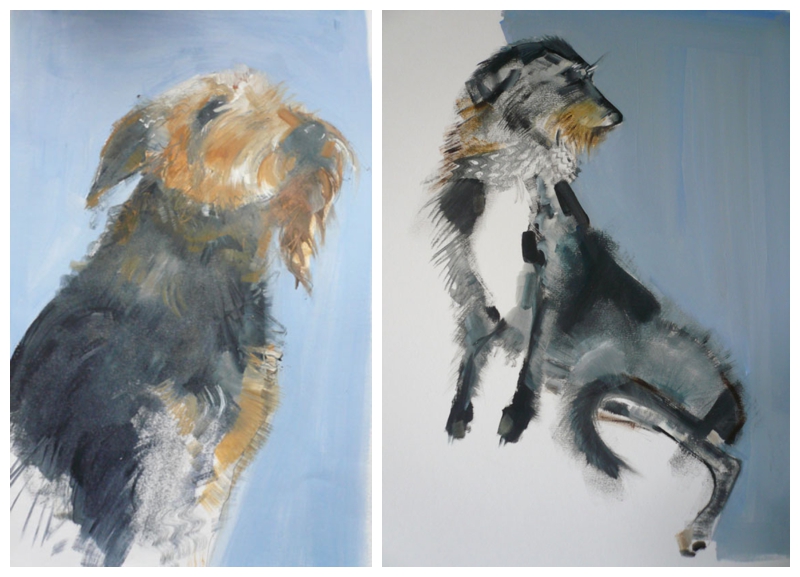
Recently, I had the great honor and privilege of interviewing Sally Muir, an artist residing in England.  A selection of Sally Muir’s work is displayed below.  Please visit Sally Muir’s website to view more of her wonderful work.  Sally also does commissions upon request.


KATHERINE CARVER: What were your beginnings as an artist and when did you realize it would become your chosen form of expression?

SALLY MUIR: I have been working as a knitwear designer for many years, but have been working as a painter for about the last 10 years.


KATHERINE CARVER: Did you study art formally?

SALLY MUIR: Yes.  I went to art school for six years in total at the Bath School of Art.

 Sally Muir 7


KATHERINE CARVER: How do you describe your style?

SALLY MUIR: I think that I try and keep it simple, the less is more approach is what I try and aim for – doing things succinctly.


KATHERINE CARVER: Can you describe the time when you first realized that creating art was absolutely something that you had to do?

SALLY MUIR: I think it was when I realized that I really wanted to go to art school, I went as a mature student, although I had been working as a designer I wanted to study Fine as well as Applied Art.


KATHERINE CARVER: What was the impetus that inspired you to begin painting dogs?

SALLY MUIR: At art school I painted my children over and over again, occasionally our dogs would appear in these paintings, and gradually the dogs took over.  Then I began to paint and draw dogs more than people, although I do still paint people and landscapes as well, dogs have been dominating for the last few years.

 Sally Muir


KATHERINE CARVER: Where did you get the idea to begin your interesting project entitled, A Dog A Day?

SALLY MUIR: I wanted to do something with a framework and had the idea that A Dog A Day would be a way of making me get on with doing a variety of dogs and mediums, Facebook is a very simple and direct way of doing it.


KATHERINE CARVER: What has been the most rewarding aspect of your project, A Dog A Day?

SALLY MUIR: I love the comments that people send in and I find it very interesting which ones are more popular than others, some of the very, very simple drawings have been more popular than the more detailed ones. People are very generous and appreciative on Facebook – I think they may filter out the negative comments, as people are generally very enthusiastic.  The other very rewarding thing is just how devoted people are to their dogs.

 sally-muir-3


KATHERINE CARVER: How have your own dog(s) influenced your artwork?

SALLY MUIR: Very much — over the years I’ve had 5 dogs and they feature quite a lot, I’ve now got 2 Whippets who are beautiful sculptural dogs, and spend their whole lives posing however they lie, they always form lovely shapes.  But I also love hairy dogs.


KATHERINE CARVER: Where do you show/exhibit your work?

SALLY MUIR: I show regularly in a gallery in Stockbridge in Hampshire called Dogs in Art, and I’ve just had a show in Anthropologie in the King’s Road in London which has been a great opportunity for me to get seen by lots of people.  I also take part in group shows all around the place.

sally muir


KATHERINE CARVER: What does “being creative” mean to you?

SALLY MUIR: Being creative means two completely different areas for me, either knitting or designing.  My business partner Joanna Osborne and I write knitting books, Best in Show Knit Your Own Dog and Best in Show Knit Your Own Cat and our latest one Knit Your Own Zoo is just out, so we spend a lot of time creating the patterns for those as well as our own knitwear collection under the label Muir and Osborne.  The rest of my time is spent on painting and drawing, trying out different ideas and materials.  Pursuing different alleys, some of them leading somewhere, some of them blind.


KATHERINE CARVER: What is the most challenging aspect of being an artist?

SALLY MUIR: Trying to make a living out of it.


KATHERINE CARVER: What inspires you to keep going and what keeps you motivated?  

SALLY MUIR: There are always new dogs to paint; and new people to paint.

 3e23a35a2e6aaa2dab52888cab1ccae8


KATHERINE CARVER: What is the most rewarding and satisfying part about being an artist and creating art?

SALLY MUIR: I do a lot of commissions and it’s a great feeling when you’ve done something you’re pleased with and the person who has commissioned it really loves it.


KATHERINE CARVER: What kind of patterns, rituals, and routines do you have while making your art?

SALLY MUIR: Radio 4 mainly, I don’t really have any other rituals.


KATHERINE CARVER: Looking back on your accomplishments, to date, what are you the most proud of?

SALLY MUIR: I think winning the Holburne Portrait Prize, I’ve never been so surprised in my life as when my name was read out, I’m one of those people who never win things, I’ve never won a raffle prize or anything before.


KATHERINE CARVER: What are you working on now?

SALLY MUIR: I’m still working on A Dog A Day and I have a lot of commissions which have come through that as well as Dogs in Art and Anthropologie.

Sally Muir 2


KATHERINE CARVER: What artists inspire your work?

SALLY MUIR: I love Masaccio, Velasquez, Michael Andrews, William Nicholson, Joan Eardley, and I’ve just seen the Peter Doig exhibition in Edinburgh, which was brilliant.


KATHERINE CARVER: What piece(s) of artwork is your favorite?

SALLY MUIR: There is a painting in the National Portrait Gallery of Max Beerbohm by William Nicholson which I love, whenever I’m there I’m tempted to wrench it off the wall. It’s a brilliant example of less is more.


KATHERINE CARVER: What advice do you have for aspiring artists?

SALLY MUIR: I suppose just do what you’re most interested in.


KATHERINE CARVER: How can people view, commission, and purchase your art works?

SALLY MUIR: Through my website is easiest it’s www.sallymuir.co.uk or you can have a look at A Dog A Day on Facebook and if you’re interested in knitwear or knitted dogs/cats/zoo animals www.muirandosborne.co.uk.

Rolling_Whippet_by_Sally_Muir_at_Stockbridge_Gallery_Dogs_in_Art__25921.1303492991.1280.1280

All images are courtesy of Sally Muir.

You can read additional interviews here.
Interview with Jennifer Schiazza — Thoughts on Dog Fostering

Interview with Jennifer Schiazza — Thoughts on Dog Fostering

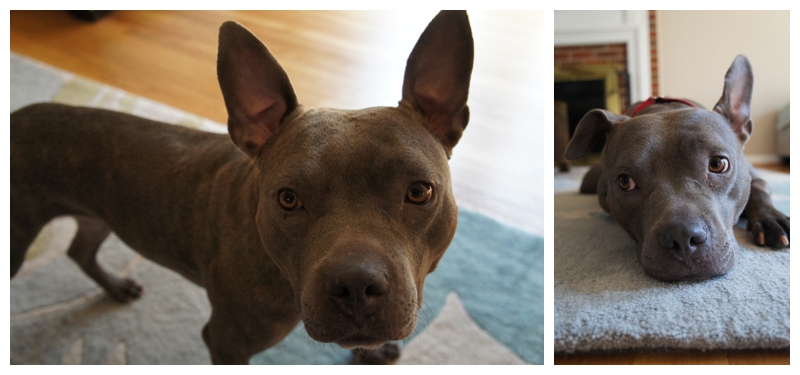
Recently, I had the opportunity and pleasure of interviewing Jennifer Schiazza, a foster dog parent, living in Baltimore, Maryland.  Jen and her husband have fostered many dogs and she is an ardent supporter of dog fostering and dog rescue, which saves dogs’ lives.  Jen and her husband predominately foster pit bulls in need of furever homes.  Additionally,  Jen, a woman after my own heart, writes a blog about her adventures in dog fostering, which is narrated by Jax!  You can follow Jen’s blog here!


KATHERINE CARVER: How did your adventure in dog fostering begin?

JENNIFER SCHIAZZA: About a year after adopting our dog, Jax, my husband and I thought about adopting a second dog, but we weren’t 100% ready to make the commitment.  I heard about fostering through some acquaintances on Facebook and thought it would let us test the waters with Jax and see how he would take to a second dog in the house.  It would also help us determine how adopting another dog would impact our lives.

I researched some Baltimore-area rescues and found a few that seemed like a good match.  I submitted an application to Dogs XL Rescue and they contacted me to go over their foster program, conducted a home visit and verified with my vet that Jax is kept up-to-date on his vaccines.   Before I knew it, they were setting me up with my first foster, a Chesapeake Retriever named Cinnamon, pictured immediately below.

Cinnamon


KATHERINE CARVER: How many dogs have you fostered?

JENNIFER SCHIAZZA: We just had the pleasure of seeing our sixth foster dog go to her forever home.  (Photographs of our foster dogs are shown throughout this blog post).  Some dogs were with us for as short as three weeks, while a few of our fosters were with us for about four months.  


KATHERINE CARVER: What dog rescue organizations do you work with in relation to dog fostering?

JENNIFER SCHIAZZA: Our first two fosters were for Dogs XL Rescue.  They focus on saving larger dogs because they are usually the first dogs to be put down when shelters run out of space since they cost more to vet and feed than smaller dogs.  Dogs XL Rescue pulls dogs from all over the country, allowing them to save a wider variety of dogs than if they pulled from local shelters.  

After our second Dogs XL Rescue foster, we transferred our fostering efforts to Jasmine’s House, a non-profit pit bull rescue.  Because the number of families willing to take in pit bulls is relatively small compared to the number of families willing to foster other breeds, we switched rescues in honor of Jax, who is a pit bull.


KATHERINE CARVER: Why do you think dog fostering is important?

JENNIFER SCHIAZZA: Millions of dogs are killed in shelters every year because of overpopulation.  I know there is no way to save them all, but every foster we take in means a the rescue can save one more life.  I love seeing foster families with young children and think their children are so lucky to learn valuable lessons fostering teaches, like compassion and selflessness at such a young age.  

 Josie 1


KATHERINE CARVER: In your experience, what does dog fostering entail?

JENNIFER SCHIAZZA: Since the rescues provide crates, vet care, monthly heartworm, flea and tick preventatives, food and boarding if you need to go out of town, there is no financial commitment with fostering.  There is a minimal time commitment like putting together an extra bowl of food twice a day, an occasional vet visit and optional training sessions that not only help the dogs, but taught me how to handle dogs.

A foster parent must have a willingness to learn.  I didn’t know much about training dogs when I adopted Jax.  Heck, I didn’t even know how to find a good trainer.  I’ve had a lot of support from the rescues and other volunteers.  I read articles and ask questions.  I’m always learning something new.  A sense of humor doesn’t hurt either.


KATHERINE CARVER: What dog fostering experience moved or inspired you the most?

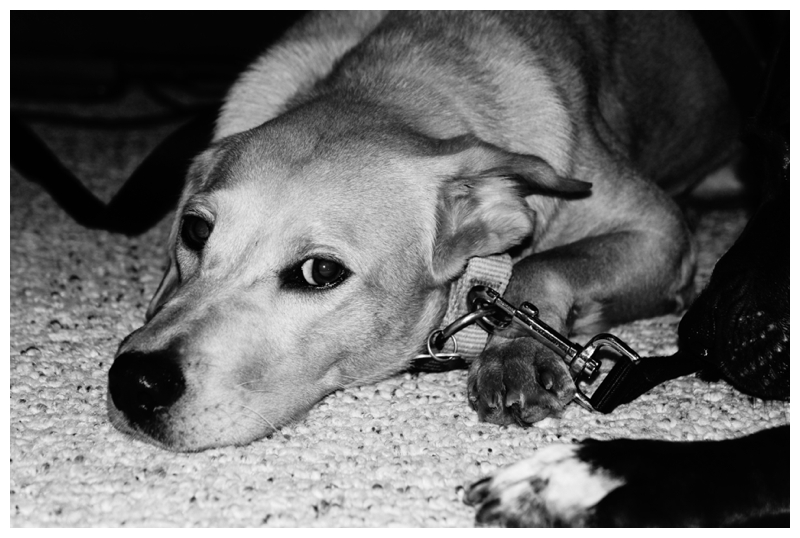
JENNIFER SCHIAZZA: Our most recent foster, Amelia, pictured below, was special to me because I personally chose to pull her from the shelter.  All of our previous fosters were recommended to us by the rescues.  A photograph of Amelia, pictured on the left below, was posted by Baltimore Animal Rescue and Care Shelter (BARCS) as needing rescue or adoption.  She was 20 pounds underweight.  My only thought upon seeing her photo was that she couldn’t die in that condition, scared, alone and unloved.  I contacted Heather, the foster and adoption director for Jasmine’s House, and asked if we could pull her.  Heather made arrangements for me to pick Amelia up from BARCS the next day.  I didn’t stop to think if she would get along with Jax, if she was house trained, would sleep through the night or had any health or behavior issues.  I was lucky; Amelia knew how to sit, stay, lay down, and give paw.  She had no problems introducing herself to Jax and adjusted quickly to our home.  We worked on some resource guarding with the help of Jasmine’s House training partner, Meghan Longhurst, and watched her gain confidence and healthy weight over the four months.  When she was adopted, I was so happy for her to have her happy ending and she will always hold a special place in my heart.

Amelia Before After


KATHERINE CARVER: What is the most satisfying and rewarding part of your dog fostering work?

JENNIFER SCHIAZZA: The day each dog is adopted (I call it Gotcha Day), is a great day.  Sometimes I shed a few tears and part of me is nervous about how they will fit into their new homes, but I always do a happy dance when they leave for their new home.  I’ve kept in touch with a few adopters and hearing how much they love their dog makes it all worth it for me.  

 Abbey


KATHERINE CARVER: In your experience, what is the most challenging aspect about dog fostering?

JENNIFER SCHIAZZA: For me, the first 48 hours with a new foster is the most challenging.  Imagine introducing a new dog to your home and settling them into your routine an average of every two months.  Most of the time we don’t know if they’re house trained, crate trained, or if they will get along with Jax.  We had a dog who got car sick, one who didn’t sleep through the night one who had food aggression towards Jax…and every foster had an accident in our house on the first day.  We use a good enzymatic cleaner and take it one day at a time.  


KATHERINE CARVER: Is it difficult to see the dogs you have fostered move from your home to a forever home?  How do you handle this experience when it happens?

JENNIFER SCHIAZZA: It’s definitely been bittersweet letting some of our fosters go, but I’ve always been pleased with the families adopting our fosters.  The meet and greets with interested families are important part of the adoption process not just for the adopters, but for the foster families as well because it reassures us that they are going to a loving forever home.  As much joy and happiness as some of our fosters have brought us, I’ve seen them bring even more joy to their adopters.  I’ve been lucky enough to be able to keep in touch with the adopters of my best fosters.  I see photos on Facebook and even get to dog-sit for one of my fosters when the family goes out of town.  

I found an anonymous quote that perfectly sums up how I feel when I miss my fosters: “I would rather cry and watch them leave our home to go live a full, good life in a loving forever home of their own, than cry because no one stepped up for them in a shelter where they died all alone, scared, unwanted and unloved.”

 Kima Shelter


KATHERINE CARVER: What advice can you give to someone who might be considering getting involved with dog fostering?

JENNIFER SCHIAZZA:  Contact several rescues and ask them about their fostering program to make sure it’s a good fit.  Will they find a temporary foster or boarding place if you go out of town?  Do they provide food and crates if you need it?  Are free training sessions available to attend with your foster dog ?  What type of training do they support (i.e. reward-based, force free training)?  

Remember your foster dog will be confused and maybe a little scared by his or her new surroundings.  They may have been recently spayed or neutered, come from a high stress situation like a shelter or long transport and they don’t know when they’re getting fed, where they are supposed to relieve themselves and they certainly don’t know who you are.  

Material things are replaceable.  I had a woman tell me her dog chewed a hole in the sleeve of her expensive cashmere sweater, but she rolls up the sleeves and laughs every time she puts it on.  

Keep your receipts for anything you spend on your foster and your mileage because it’s tax deductible.

Lastly, cherish the good times and learn from the bad.  I take a lot of videos and pictures of my fosters and remember what they did that put a smile on my face.  I’ve learned from every one of our fosters, mostly from our mistakes from house training, resource guarding to separation anxiety and it’s made me a better, more patient person.


KATHERINE CARVER: What are your goals and dreams for the future concerning dog fostering?

JENNIFER SCHIAZZA: Fostering can be addictive.  We haven’t gone more than a few weeks without a foster in the last year.  It’s important to take a break so we’re going to take a breather and then I’m sure it won’t be long before I see another dog in need.  We don’t have any children now, but when we do, I definitely want to foster to teach them the importance of rescue.

Tillie


KATHERINE CARVER: Where can people learn more about dog fostering?

JENNIFER SCHIAZZA: A lot of rescues post on social media sites like Facebook, Pinterest, and Instagram.  It’s a good resource to see what dogs are in need, ask questions and find people with a common interest.

Please note all photographs are courtesy of Jennifer Schiazza.

You can read additional interviews here.

Interview with Martin Usborne, Photographer, Writer, and Animal Lover

Interview with Martin Usborne, Photographer, Writer, and Animal Lover

Martin-215x245

Recently, I had the great honor and privilege of interviewing Martin Usborne, a photographer, writer, and animal lover who works and resides in London with his wife, Ann, and their miniture schnauzer, Moose.  Martin was trained in architecture, then philosophy, then psychology, then three-dimensional animation before checking his compass once more and finally settling on photography.  Martin’s current work consists mainly of portraits, both human and animal.  Martin’s key interest is man’s relationship to animals.  Martin has been regularly featured in international magazines and has been seen in group and solo shows around the world as well as in the National Portrait Gallery London.  He has had four books published.

Martin is currently spending a year to see how many animals he can save in 365 days, a project entitled, A Year to Help.  Martin has sent himself out into the world to give back to the very subjects that have given him such artistic inspiration.  Over the course of 365 days, he will try to save or help as many animals as he can while documenting each step.  This is a wonderful, fascinating, and inspiring  project, which is discussed in more detail below.


KATHERINE CARVER: How did you devise the idea for your project, “A Year to Help”?

MARTIN USBORNE: Well, I feel very much like a failed animal lover.  I’ve cared about animals all my life, yet I’ve done very little to help their obvious plight in the face of so much human cruelty.  I actually did a rather cheesy life review with a life coach some years ago and was slightly embarrassed to admit that one of the key goals in my life would be to help animals (embarrassed partly because that doesn’t sound very cool and partly because I hadn’t done anything whatsoever to help).  One of my other goals was to write a book so I thought why not combine the two.


KATHERINE CARVER: How have your own dogs influenced your decision to embark on your “Year to Help” adventure?

MARTIN USBORNE: My own dogs have reinforced my feeling that animals and humans are deeply interconnected and there is room for greater understanding.


KATHERINE CARVER: What was the impetus that inspired you to begin photographing dogs?

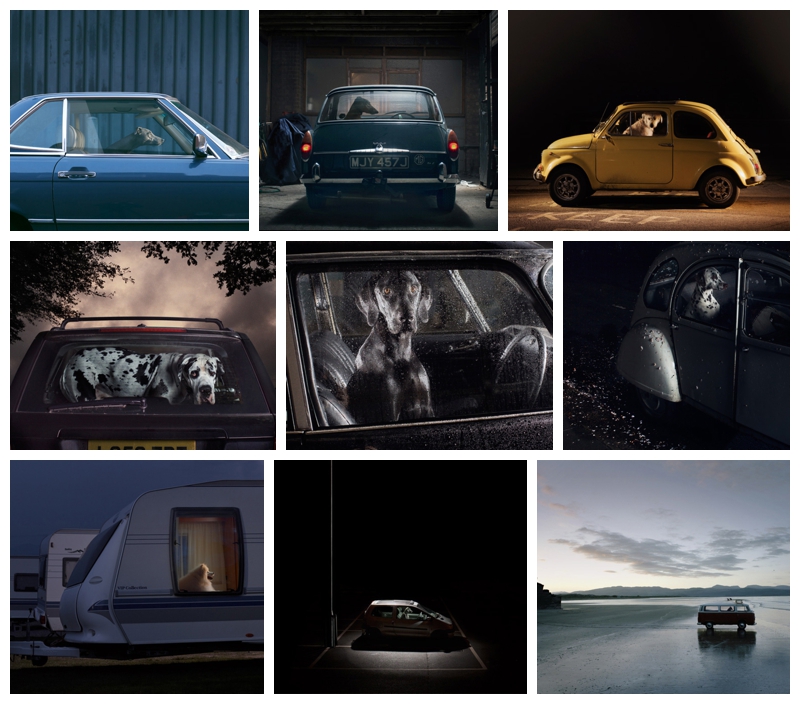
MARTIN USBORNE: I started with my project Dogs in Cars because of an early memory of being left in a car as a child combined with an early connection with animals.  Dogs in Cars project was a way for me to explore that.  (Some of Martin’s images from this body of work, Dogs in Cars, is shown immediately below).

dogs in cars 2


KATHERINE CARVER: What countries have you visited, to date, during your project, “A Year to Help”?

MARTIN USBORNE: To date I have visited India, Spain, Greece, The Philippines, Vietnam, and Laos.


KATHERINE CARVER: How many animals have you saved and helped, during your project, “A Year to Help”?

MARTIN USBORNE: To date it is 302 but it is changing all the time. You can read more about the animals I have saved and what I classify as ‘saved’ here


KATHERINE CARVER: How do you handle experiencing the suffering of animals that you have witnessed and continue to witness, during your project, “A Year to Help”?

MARTIN USBORNE: I find it difficult but important.  One of the reasons why many people don’t care enough is because they are not exposed.  I think being physically out of touch can lead to being emotionally out of touch.  In some ways it has been quite a relief to touch the suffering, as strange as that sounds, because I no longer feel so numb about it all.


KATHERINE CARVER: How are you financially able to afford and fund this project, “A Year to Help”?

MARTIN USBORNE: I can’t.  I have had a few generous donations but on the whole I have made fairly deep pockets by breaking a whole in the bottom of them.


KATHERINE CARVER: Have your friends and family members been supportive of your project, “A Year to Help”?

MARTIN USBORNE: They are supportive to the extent that they want me to follow my heart but I think some friends are not entirely convinced by my direction.  My wife has been hugely supportive (I am currently dictating this to her as I drive back from a pig farm).


KATHERINE CARVER: How did your interest in photographing dogs begin as you have also done other works, featuring dogs, entitled, The Silence of Dogs in CarsNice to Meet You and A Portrait of Crufts?

MARTIN USBORNE: I’ve always loved dogs, and I have had them since I was a child.  They are my way into the animal world.


KATHERINE CARVER: What artists inspire your work?

MARTIN USBORNE: It depends on the project, but I very much admire non-animal photographers and painters alike who capture psychological intensity in their imagery.


KATHERINE CARVER: What does “being creative” mean to you?

MARTIN USBORNE: Being free to explore your own view of the world and express it in the most intimate way you can.


KATHERINE CARVER: What has been the most difficult aspect of doing this project, “A Year to Help”?

MARTIN USBORNE: I think both the sheer work load of researching the material, travelling to the locations, and then writing and photographing the story while trying to keep some work (i.e., money) coming in on the side.


KATHERINE CARVER: What inspires you to keep going with your work and what keeps you motivated?

MARTIN USBORNE: With regards to A Year to Help – Other like-minded people keep me inspired – meeting people who are braver, stronger, and more dedicated than I am.


KATHERINE CARVER: What is the most rewarding and satisfying part about being a photographer and creating art and embarking on this project, “A Year to Help?”

MARTIN USBORNE: That you get to express your own voice.


KATHERINE CARVER: Can you briefly discuss the story of Mango, a three-month-old dog, who was found on the streets in connection with the illegal dog meat trade?

MARTIN USBORNE: We found Mango, pictured immediately below, on a street infamous for selling dogs to the dog meat trade.  She was only a puppy and would likely have soon been meat. It is illegal in the Philippines to eat dog meat so this was a chance to raise some publicity for Network for Animals who are trying to stop the trade. You can read more about Mango here and here.

 mangolying


KATHERINE CARVER: To date, for you, what have been the most exciting and satisfying parts of this project, “A Year to Help”?

MARTIN USBORNE: I think a subtle but very definite feeling of coming more in touch with my own sense of right and wrong and my own sense of our relationship to the animal world.  And hearing from readers who are touched by what I have done.


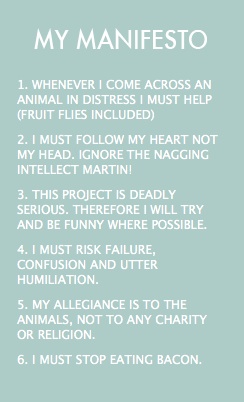
KATHERINE CARVER: Have you been able to keep to your manifesto posted on your “Year to Help” blog?

MARTIN USBORNE: Yes, I think on the whole I have.  I’ve now stopped eating meat.  I’ve helped animals whenever I can though I do admit occasionally I’ve swatted the odd mosquito and let Ann, my wife, get rid of the ants that decided they wanted to take over our house.

manifesto


KATHERINE CARVER: How has your world-view changed since embarking on this project, “A Year to Help”?

MARTIN USBORNE: I have become both more disturbed by man’s fractious relationship to animals and more driven to do something to help.


KATHERINE CARVER: How has your view of animals changed by doing this project?

MARTIN USBORNE: I don’t feel my view of animals has hugely; but I do feel a greater respect and I suppose understanding of them as individuals that deserve our compassion.


KATHERINE CARVER: What is the biggest lesson that you have learned from embarking on this project, “A Year to Help”?

MARTIN USBORNE: That’s a tough on…That it is very important to find your own truth and not just listen to what society says.  For me that means taking animals much more seriously and feeling more at peace with myself for doing so.


KATHERINE CARVER: When you return home to London what do you plan to work on next?

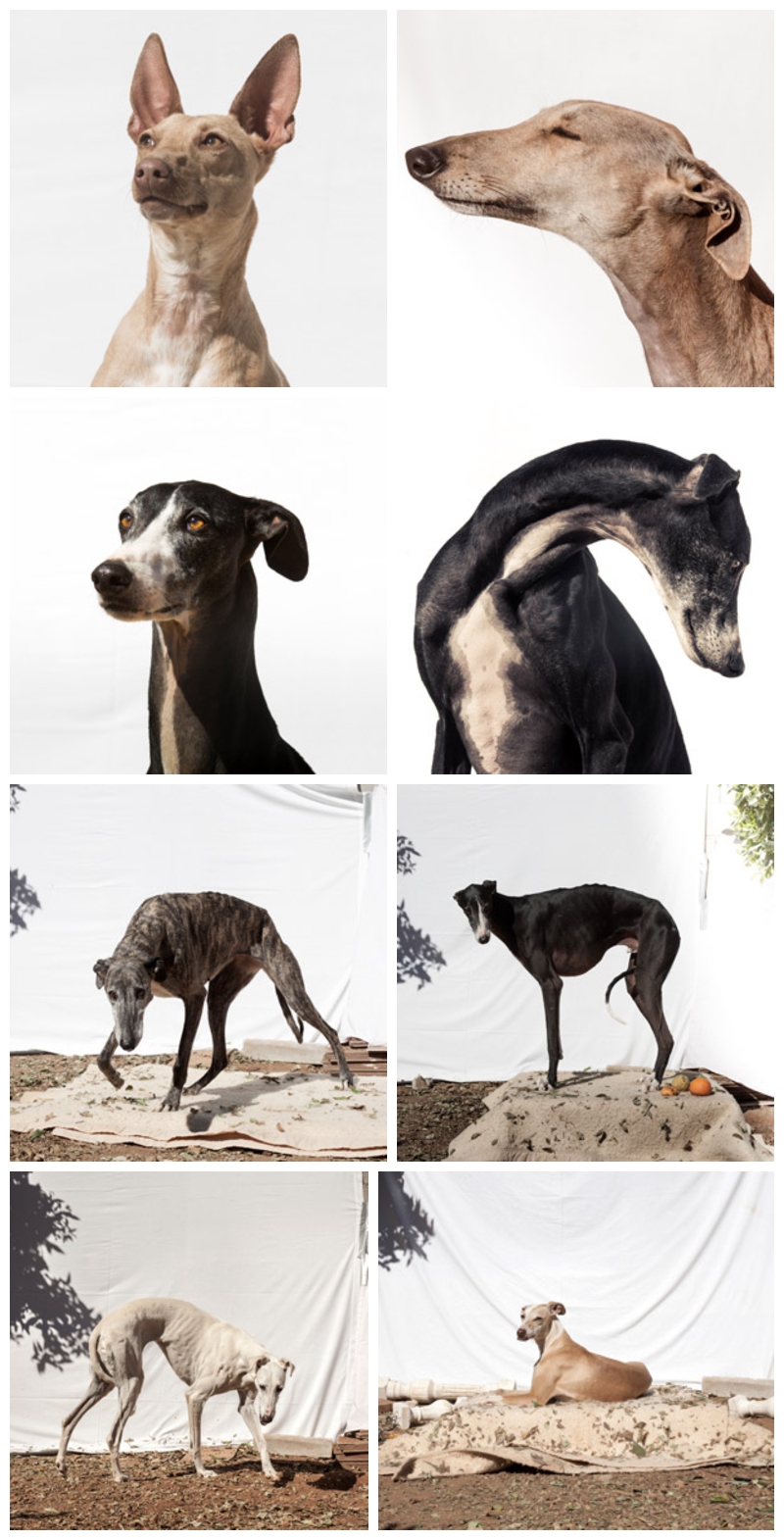
MARTIN USBORNE: I want to make a photography book about the story of the Spanish hunting dogs that I covered in my blog in the early part of this year.  I also want to make some money and I will be starting a small publishing company called Hoxton Mini Press that makes beautiful, fun, quirky, and collectable books about East London.  We will be launching a Kickstarter campaign to help fund the first two books next month so keep an eye out for more on that!

 Galgos


KATHERINE CARVER: How can people learn more about “A Year to Help”?

MARTIN USBORNE: By reading the blog


KATHERINE CARVER: How can people view your photography?

MARTIN USBORNE: By visiting my website.  I also have a number of my photography books (signed) available to purchase here.


KATHERINE CARVER: How can people support and donate to this important project?

MARTIN USBORNE: You can donate by clicking the ‘donate’ button via this link.  We are very grateful for any help we receive.

All images contained in this blog post are courtesy of Martin Usborne.

You can read additional interviews here.

Interview with Julia Schlosser, Artist, Art Historian, and Educator

Interview with Julia Schlosser, Artist, Art Historian, and Educator

Recently, I had the opportunity and pleasure of interviewing Julia Schlosser, an artist, art historian, and educator living in Los Angeles, California.  A selection of Julia Schlosser’s work is displayed below.  Please visit Julia Schlosser’s website to view more of her work!


KATHERINE CARVER: What were your beginnings as an artist and when did you realize it would become your chosen form of expression?

JULIA SCHLOSSER: When I was an undergraduate student, my roommate took me to a series of lectures by some well-known photographers including Jo Ann Callis, Larry Clark, and Lewis Baltz.  The next year, I got a Canon AE-1 camera, and started taking black and white photographs of bands at my campus radio station.  Before I got that camera I really had no idea what I was going to do with my life, and photography has been the only thing that has made sense to me since that time.  I also love to write, but I almost always write about photography, or my writing gets included with my photographs.


KATHERINE CARVER: Did you study art formally?

JULIA SCHLOSSER: My undergraduate degree is in science from UC Berkeley, because my parents wanted me to have a practical degree.  After working in a science lab for a while, I applied to graduate school at California State University, Fullerton where I studied with Eileen Cowin, and I got my MFA in photography.


KATHERINE CARVER: How do you describe your style?

JULIA SCHLOSSER: My visual style is eclectic.  The thing that ties my work together is my interest in the corporeal or visceral.  Even if I am not actually photographing a human or non-human animal body or an object associated with the body, I am still trying to evoke an embodied response to the photograph in the viewer.  With the Roam series, I hope the viewer will get a sense of the freedom that the dogs feel running in the dog park.

roam_006

From the series Roam


KATHERINE CARVER: Can you describe the time when you first realized that creating photographs was absolutely something that you had to do?

JULIA SCHLOSSER: While it took me a long time to “commit” to photography as a life path, I have never found anything else that has given me the satisfaction that photography does.


KATHERINE CARVER: What was the impetus that inspired you to begin photographing dogs?

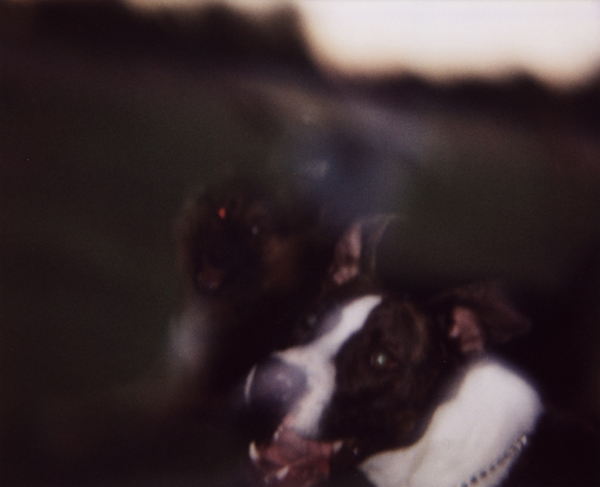
JULIA SCHLOSSER: At the time my father died in 2001, I was also taking care of two very sick cats who died shortly after he did.  I was grieving, and I began looking around for artwork that reflected my emotions.  I started photographing people taking care of their own pets.  Then Tess, a lovely German shepherd/Border collie mix, came into my life, and she inspired me to continue photographing at the off-leash dog park near my house.  These images evolved into the Roam series.

roam_007_re

From the series Roam


KATHERINE CARVER: How have your own dogs influenced your artwork? 

JULIA SCHLOSSER: I started photographing my pets because I wanted to see artwork that reflected the way I feel about them: how much I value their companionship, the bonds we share and their own self-directed sense of agency.  Most of the photographs of dogs that I saw back then were more traditional reflections of animals, which either treated them as symbols for human experiences or as possessions.  So now when I photograph, I try to emphasize the animal’s point of view, the choices they make and their self-directedness, or something that we share together.


KATHERINE CARVER: What does “being creative” mean to you?

 JULIA SCHLOSSER: Being creative means active problem solving in an area that excites me.  So I try to solve visual problems, e.g., how can I present images of animals in a way that allows the viewer to consider them as individual beings with a self-directed sense of agency?


KATHERINE CARVER: What is the most challenging aspect of being an artist?

JULIA SCHLOSSER: Making photographs is a very personal, intuitive, non-verbal process for me.  During the process I can’t really articulate what I am doing.  But showing my work involves engaging a different part of my brain in order to conceptualize the work, write an artist statement, and figure out what it really “means” to me in the process of getting it ready to show in public.  I find it hard to make the transition between these two activities.


KATHERINE CARVER: How did you come up with the idea for your series entitled, Roam?

JULIA SCHLOSSER: I tried to come up with a way for me to spend more time with Tess and still make artwork.  The dogs seemed so happy at the dog park, so “in the moment” and I wanted to show that side of their experience.

roam_004

From the series Roam


KATHERINE CARVER: Your images capture the interaction between humans and their animals in a non-sentimental manner.  What led you to work this way?

JULIA SCHLOSSER: I knew how much my companion animals meant to me and felt like there had to be a way to capture our interactions visually in a way that felt genuine.  When I think of my animals, I don’t think of them in a sentimental manner, so I didn’t want to portray them that way.


KATHERINE CARVER: What inspires you to keep going with your work and what keeps you motivated?  

JULIA SCHLOSSER: Going to galleries and museums and talking to other artists about the work is one way.  Reading also fuels my desire to make photographs. Right now I am reading Artist|Animal by Steve Baker (Univ Of Minnesota Press, 2013, ISBN-13: 978-0816680672). 

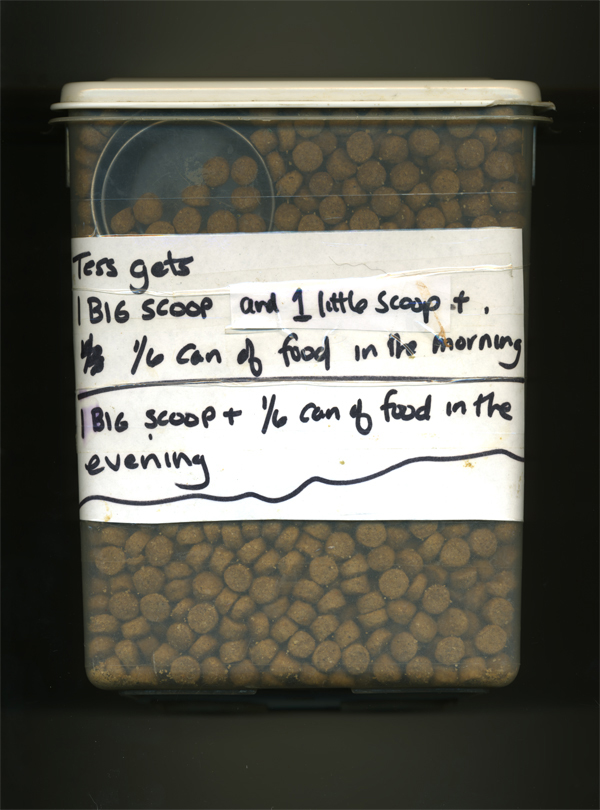
food_tess

Tess’s food container with feeding instructions for pet sitter

From the series, Tend


KATHERINE CARVER: What kind of patterns, rituals, and routines do you have while making your photographs?

JULIA SCHLOSSER: Since I teach, take care of the animals I live with, make artwork and write about photography, time is always at a premium for me.  So, I try to find ways to fit picture taking into my daily life.  I worked with a scanner instead of a camera for a while and it was easy to use.  I didn’t have to set up the camera or lights.  I just opened the scanner and scanned whatever I was working with, whether it was me, an animal or an object.  (NB: I am always careful to keep the animal’s eyes protected while I am scanning!)

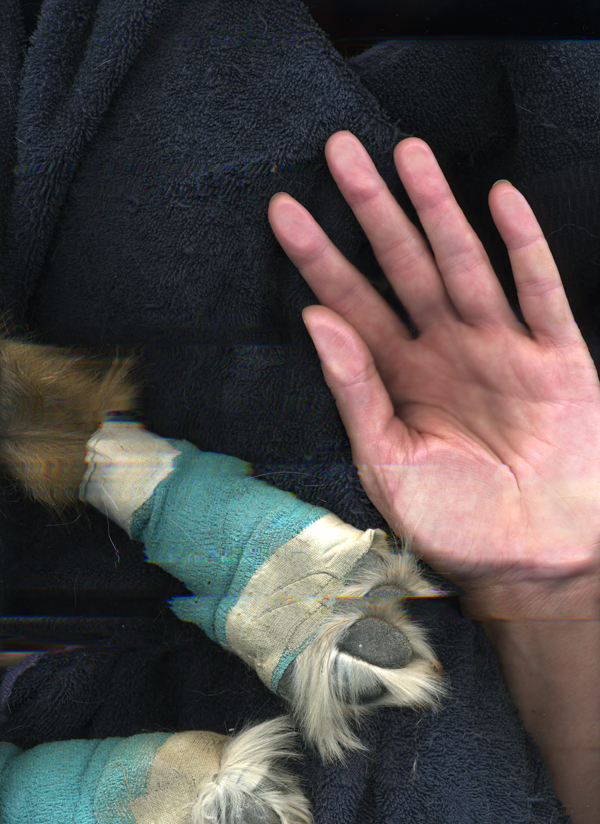
tesssurgery1019111045amsmall

Tess and Julia (Tess is recovering from surgery on her foot) 


KATHERINE CARVER: Looking back on your accomplishments, to date, what are you the most proud of? 

JULIA SCHLOSSER: I had a portfolio of my work published in exposure: The Journal of the Society for Photographic Education, Fall 2012 issue.  It is called The Lives of Others: The Work of Julia Schlosser and it was curated by Ciara Ennis.  I got the cover so I am pretty proud of that!


KATHERINE CARVER: What are you working on now?

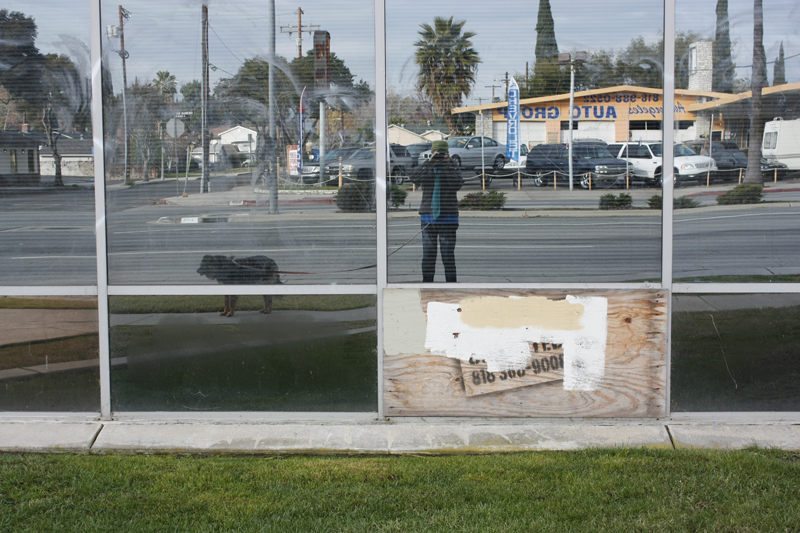
JULIA SCHLOSSER: My series Tether involves me photographing while I am walking Tess, my dog, on leash.

tether_01_01_2013

From the series Tether


KATHERINE CARVER: What artists inspire your work?

JULIA SCHLOSSER: Martha Casanave’s series Beware of Dog (http://marthacasanave.com/dog.htm);

João Bento’s series of dogs on the beach (http://www.faunaandflora.org/; https://www.youtube.com/watch?v=4i5vB0UCjHk);

Stephen Berens (http://www.stephenberens.com/books/regular/Italy_dogs.html); and

Tony Mendoza (http://www.tonymendozaphoto.com/pages/bob.asp).


KATHERINE CARVER: What advice do you have for aspiring photographers and other artists? 

JULIA SCHLOSSER: Find your niche and then commit to that.  Since I found the Animal Studies community, I feel more “at home” as a photographer than I ever have before.  I get a lot of support from other scholars and artists interested in the same things I am, and I always have a direction to point myself in when I am working. 

tether_12_30_2012

From the series Tether


KATHERINE CARVER: How can people view your work?

JULIA SCHLOSSER: This is my website: http://www.juliaschlosser.com/.

My work was recently reviewed in Four&Sons: http://fourandsons.com/2013/06/12/free-run/.

I wrote a chapter which is included in this book: Experiencing Animal Minds: An Anthology of Animal-Human Encounters edited by Julie A. Smith and Robert W. Mitchell (Columbia University Press, 2012, ISBN-13: 978-0231161510).

The Roam series images were published in Ich, das Tier.  Tiere als Persönlichkeiten in der Kulturgeschicht (I, the Animal: Animals as Personalities in Cultural History), by Heike Fuhlbrügge, Jessica Ullrich and Friedrich Weltzien (Reimer, 2008, ISBN-13: 978-3496013853).

tether_12_23_2012

From the series Tether

All photographs are courtesy of Julia Schlosser.

You can read additional interviews here.

Interview with Andrew Pinkham, Photographer

Interview with Andrew Pinkham, Photographer

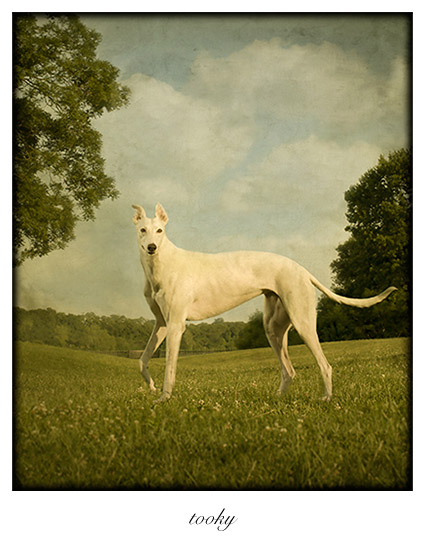
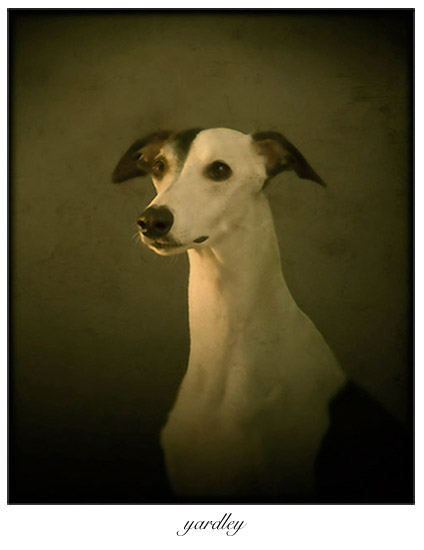
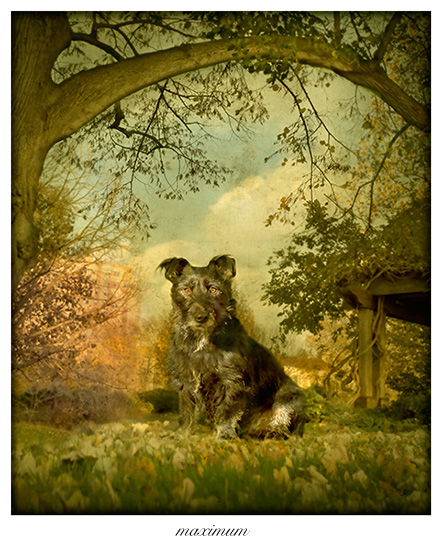
Recently, I had the opportunity and pleasure of interviewing Andrew Pinkham, a photographer living in Philadelphia, Pennsylvania.  His work falls somewhere between digital portrait photographer and an old master painter.  A selection of Andrew Pinkham’s work is displayed below.  Please visit Andrew Pinkham’s website to view more of his interesting work!


KATHERINE CARVER: What were your beginnings as an artist and when did you realize it would become your chosen form of expression?

ANDREW PINKHAM: I was always taking art classes as a kid and when I graduated from high school, my parents gave me a camera and I knew then that is what I wanted to do.  Plus, I was awful at sports and not what you would call a team player.


KATHERINE CARVER: Did you study art formally?

ANDREW PINKHAM: No, I went to a photo school that didn’t really delve into art.  It was more about honing your craft and doing it commercially for a living.  The instructors didn’t quite know how to handle me because I didn’t quite fit in to any category.  I didn’t want to shoot weddings or babies.


tooky_canvas


KATHERINE CARVER: How do you describe your style?

ANDREW PINKHAM: 18th-19th Century and a bit of Pinkham mixed in!


KATHERINE CARVER: Can you describe the time when you first realized that creating photographs was absolutely something that you had to do?

ANDREW PINKHAM: For years, I had always been searching for ways to express myself creatively and this just seemed so right.

My dad was in the paper business and dealt with a lot of publishing companies.  He would bring home these sophisticated publications like Print & Communication Arts and I thought that it was pretty great.  There was just something about making art with a machine that I found so enticing.


KATHERINE CARVER: What was the impetus that inspired you to begin photographing dogs and other animals?

ANDREW PINKHAM: Our first greyhound, Suky, started it all.  My wife, Ashley, and I set out one afternoon on a whim just to see what we would come up with.  The setting, time of day, and light all came together.  It wasn’t instantaneous but with some post work, I really got a painterly quality to come out.  We showed friends at the dog park and the rest is history.

I had been doing illustration and photography separately for years and this merged the two mediums together in a way that it’s hard to tell where the one medium ends and the other picks up.  I had done things for years by others’ direction.  This was for me.

 yardley_canvas


KATHERINE CARVER: How have your own dogs (or animals) influenced your artwork? 

ANDREW PINKHAM: Ha! Our dogs are our guinea pigs so to speak and we try new ideas out on them.  Discovery is always an important part of my work and I never like things to become stale or feel like I am just going through the motions. If I am trying anything new, they are great go to subjects.


KATHERINE CARVER: Where do you show/exhibit your work?

ANDREW PINKHAM: Mostly in publications, an exhibition here and there and in client’s homes.


KATHERINE CARVER: What does “being creative” mean to you?

ANDREW PINKHAM: It means everything really – for better or worse, I always feel the need to do things differently.  Most of the time it works, sometimes, it blows up in my face.  This is a necessary part of the creative process for me.  If I am not pushing the envelope, I get bored easily and the work looks contrived.


belle_canvas


KATHERINE CARVER: What is the most challenging aspect of being a photographer?

ANDREW PINKHAM: Art and commerce is a tumultuous affair.  My style is incredibly narrow in scope and either people like it or they don’t.  At first, it took a lot to really stick to my guns on this and I’m glad I did.

Most of the clients I work with might want a change here and there, which is fine. Others can be more high maintenance especially when they are unsure of what they want.

Ultimately, if I am afraid of what they might think, it gets in the way of the process and it ruins the outcome.


KATHERINE CARVER: What inspires you to keep going and what keeps you motivated?  

ANDREW PINKHAM: Being stubborn and obsessive.


KATHERINE CARVER: What is the most rewarding and satisfying part about being a photographer and creating art?

ANDREW PINKHAM: Knowing that I make something tangible out of a crazy idea.


 suky_profile_canvas2


KATHERINE CARVER: What kind of patterns, rituals, and routines do you have while making your photographs?

ANDREW PINKHAM: I need a really simple set up or else my mind is all over the place.  Once I anchor my camera down on the set, it doesn’t move.  I get distracted and I lose focus if too much is going on.  I don’t like things scattered all over the place like someone threw a party.


KATHERINE CARVER: Looking back on your accomplishments, to date, what are you the most proud of?

ANDREW PINKHAM: That I have gotten as far as I have with a very singular vision.  It’s not for everyone but it’s what I’m most happy doing.


holly_canvas


KATHERINE CARVER: What are you working on now?

ANDREW PINKHAM: An ongoing series of pets doing bad things.


KATHERINE CARVER: What artists inspire your work?

ANDREW PINKHAM: All painters  Vermeer, Stubbs, and Wyeth.


KATHERINE CARVER: What piece(s) of your artwork is your favorite?

ANDREW PINKHAM: My next piece.  I always think my next work is going to be better than what I have done in the past.


KATHERINE CARVER: What advice do you have for aspiring photographers and other artists?

ANDREW PINKHAM: Be true to yourself and in it for the love of doing it.  When the phone isn’t ringing, your inbox is empty and you feel like no one loves you or your work, you will have that to keep you going.

maximum_canvas


KATHERINE CARVER: How can people view your photographs?

ANDREW PINKHAM: You can view my work at my website  andrewpinkham.com.

All images are courtesy of Andrew Pinkham.

You can read additional interviews here.

Interview with Valerie Shaff, Photographer

Interview with Valerie Shaff, Photographer

Val&Rex

Recently, I had the opportunity and pleasure of interviewing Valerie Shaff, a photographer living in Germantown, New York.  Valerie Shaff photographs animals and people.  A selection of Valerie Shaff’s work is displayed below.  Please visit Valerie Shaff’s website to view more of her work!


KATHERINE CARVER: What were your beginnings as a photographer and when did you realize it would become your chosen form of expression?

VALERIE SHAFF: I started making photographs when I was a young child, around seven-years-old.  I studied photography in high school and worked in the darkroom and developed film.  In college I majored in photography, and since college graduation, I have worked professionally as a photographer ever since.


KATHERINE CARVER: Did you study art or photography formally?

VALERIE SHAFF: I began as a painter in college.  Later during college, I changed my major to photography.  At my college, Bard College, there was not a photography department when I first began college.  However, later during college, a photography department formed at my college and that is when I made photography my major during college.

 971016-2-1 buster


KATHERINE CARVER: How do you describe your style?

VALERIE SHAFF: My style is quite naturalistic – based upon my belief system that we all are connected – the individuality and connectedness of all living beings.


KATHERINE CARVER: What was the impetus that inspired you to begin photographing dogs and other animals?

VALERIE SHAFF: I was quite fascinated with dogs and other animals being as natural as they are.  I am very fascinated with animals being themselves.


KATHERINE CARVER: How have your own dog(s) influenced your artwork?

VALERIE SHAFF: My dogs confirm my feelings concerning the depth and experience we can have with other species and being able to articulate this depth of relationship with other living beings artistically.

200198142-001 


KATHERINE CARVER: Where do you show/exhibit your work?

VALERIE SHAFF: I show and exhibit my work at the Smart Clothes Gallery; and the Carrie Haddad Gallery.


KATHERINE CARVER: What does “being creative” mean to you?

VALERIE SHAFF: This is a good question.  I believe that everyone is naturally creative, and being creative is part of everyone’s life each day.  Everyone has the opportunity to express themselves just by being alive.  Additionally, artists employ other strategies to help communicate creatively.


KATHERINE CARVER: What is the most challenging aspect of being a photographer?

VALERIE SHAFF: I think that the most challenging aspect of being a photographer is dealing in the realm of making a living – specifically translating what I do into commerce.  I am not as much interested in marketing and promotion as I am in actually making photographs. 

Daryl and Jerimah 2 


KATHERINE CARVER: What inspires you to keep going and what keeps you motivated?  

VALERIE SHAFF: My need to make photographs and express myself visually.  Specifically, the process of seeing a project into completion engages me and it is quite satisfying to complete a project. 


KATHERINE CARVER: What are the most rewarding and satisfying part about being a photographer and making photographs?

VALERIE SHAFF: The most rewarding part of being a photographer is all of the little surprises that occur while utilizing my skills that I have developed.  These unexpected surprises are a gift that just happened to occur by chance during the process of creating art.  This is very satisfying to me.  Also, sharing my work is a valuable experience as it helps to clarify ideas and find a clear means of presentation.


KATHERINE CARVER: Can you describe the process of creating and publishing your books?

VALERIE SHAFF: Each book that I have published has, fortunately, been a very fluid process.  I have been fortunate to have great agents and a wonderful co-author, Roy Blount, Jr.   You can view my books here.

 Dog_16-1


KATHERINE CARVER: What kind of patterns, rituals, and routines do you have while making photographs?

VALERIE SHAFF: The medium of photography has changed over the years.  The photography equipment and process is quite different.  Therefore, there are different preparations that take place today.  I am trying to be more spontaneous in my photography and practice.


KATHERINE CARVER: Looking back on your accomplishments, to date, what are you the most proud of?

VALERIE SHAFF: I am most proud that I am associated with very accessible work.  Many different types of people can respond to my work from a lay person to a person who has studied art formally.  I really enjoy that my work is non-exclusive.  I am also proud that I have been recognized as doing something original, which is very affirming.


KATHERINE CARVER: What are you working on now?

VALERIE SHAFF: I live in the country, and I am currently building a studio in my back yard.  I am working on my personal work, exploring relationships.  Previously, I did a lot of commercial work, which I was fortunate to have an opportunity to work on.  However, with a client comes many expectations that I was expected to satisfy and deliver, which is much different than creating my own personal work.  While doing commercial work, I had much less of an opportunity to get lost making my own personal art work and experimenting.

 rex_easthampton_couch


KATHERINE CARVER: What artists inspire your work?

VALERIE SHAFF: Nobody comes to mind right now.  I am most concerned with getting to know the artist in addition to viewing the artist’s work.  I do like to attend local art shows and see new work being made.


KATHERINE CARVER: What advice do you have for aspiring photographers and artists?

VALERIE SHAFF: Do not second guess yourself.  You need to question what you are doing, but you also need to follow your instincts.  Often times, what you are working on will lead to something else as well.  It is also very important to appreciate the process.  Additionally, it is important to be confident and to develop your own work.  When you are not as concerned about what others think, you will create stronger work.  It is also important to be playful and be committed to the process of making art.  Finally, for me, it has been very helpful to have a spiritual practice to help understand yourself more deeply and knowing that we are all connected.


KATHERINE CARVER: How can people view your photographs?

VALERIE SHAFF: You can visit my website at http://www.valerieshaff.com/; and you can contact me via e-mail at valshaff@valstar.net.

dog_park_2

*Please not that all photographs are courtesy of Valerie Shaff.

You can read additional interviews here.
Interview with Helen Greenstein, Artist

Interview with Helen Greenstein, Artist

helen

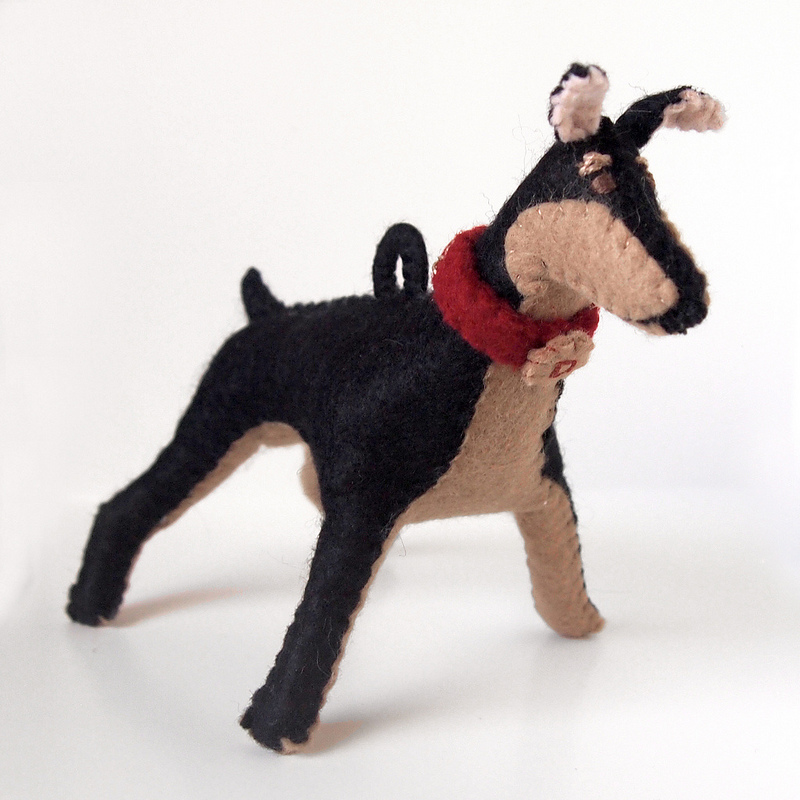
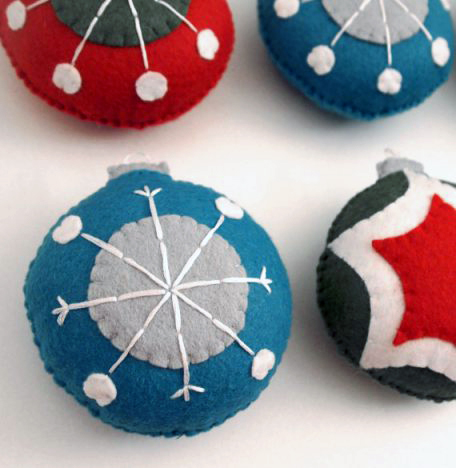
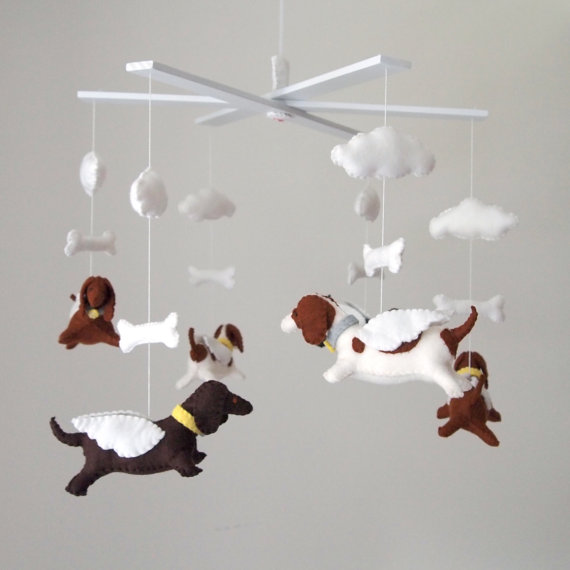
Recently, I had the opportunity and pleasure of interviewing Helen Greenstein, an artist, living in Atlanta Georgia.  Helen makes custom creations out of felt and everything is hand-stitched-to-order!  You name it, and Helen can felt-ify it!  Some examples of Helen’s work are shown below.  You can visit Helen’s website to view more of Helen’s work.

I think Helen’s creations are adorable!  We are going to have Helen make a custom sheltie of our beloved Biscuit!

KATHERINE CARVER: What were your beginnings as an artist and when did you realize it would become your chosen form of expression?

HELEN GREENSTEIN: I’ve wanted to be an artist since I first held a crayon in my hand.  I can still remember the feeling of the crayon paper wrapping in my tiny fist.  And it was always clear to my teachers that being creative was my strength, unlike grammar.

jack russell 1

KATHERINE CARVER: Did you study art formally?

HELEN GREENSTEIN: I was on track to get a BFA, but switched to business because I was concerned about being able to get a job.  My college counselor advised me that being an artist only meant starving…which was a hard thing to hear when I was paying my way through college.  So I gave up my dream and earned a marketing degree with a minor in studio art.


KATHERINE CARVER: How do you describe your style?

HELEN GREENSTEIN: Simple and modern.  I love clean lines, and hope that’s reflected in my work.

doberman 

KATHERINE CARVER: Can you describe the time when you first realized that creating art was absolutely something that you had to do?

HELEN GREENSTEIN: I’ve always had to be creative.  No matter what I do.  I have always found a way to continue to be creative, either as a hobby or as a paying project.

KATHERINE CARVER: What was the impetus that inspired you to begin making felt dogs and other animals?

HELEN GREENSTEIN: I’ve worked with every medium possible – charcoal, paint, ink, clay, metal, and photography, etc.  It wasn’t until I bought a book called “The Cute Book” by Aranzi Aronzo, that I discovered felt.  A whole new world opened up for me.  It’s sculpture with fabric and sewing.  It uses bold colors with a clean look.  I was instantly in love.

collie dog 4

i am bunny

KATHERINE CARVER: How have your own dog(s)/pet(s) influenced your artwork?

HELEN GREENSTEIN: What’s funny is that we don’t have any dogs, if you can believe it.  I love dogs, I really do.  It’s friends and customers stories that inspire me to make their felt creation embody their pet as much as possible.


KATHERINE CARVER: When and how did you begin your business, Eleni Creative?

HELEN GREENSTEIN: I started in 2008 with felt Christmas ornaments at a local art fair.  Through interest at the fair my business grew and evolved.  A bird ornament led to my first baby mobile of birds.  The mobiles led to a request for a dog.  And it continues today.   If they request it, I’ll make it!

ornament


KATHERINE CARVER: What does “being creative” mean to you?

HELEN GREENSTEIN: I feel as though everyone is creative in some way.  For some it’s writing, for others it’s numbers.  If you’re expressing yourself, that’s creative and brave.


KATHERINE CARVER: What inspires you to keep going and what keeps you motivated?  

HELEN GREENSTEIN: New requests keep me going.  Making the same thing over and over isn’t ideal, but I love hand crafting items for customers.  It’s the custom requests that definitely keep me excited, especially when it challenges me.

elephant mobile

KATHERINE CARVER: What is the most rewarding and satisfying part about being an artist and creating your felt artworks?

HELEN GREENSTEIN: Two things – bringing flat material to life; and my customers’ happiness.

KATHERINE CARVER: Looking back on your accomplishments, to date, what are you the most proud of?

HELEN GREENSTEIN: I’m proud that I’ve stuck with it.  And I’ve been able to because I’m very lucky to have an amazing husband that supports me and what I do.  He actually wants me to live out my dream.  How crazy is that!


KATHERINE CARVER: What are you working on now?

HELEN GREENSTEIN: A flying rabbit mobile, of course.  It’s a custom request and it’s going to be so cute!  It’s definitely one that makes you smile.

dog mobile

KATHERINE CARVER: What artists inspire your work?

HELEN GREENSTEIN: Honestly, Georgia O’Keefe’s early oil paintings.  I admire that she started later in life, and in a male driven industry.  Her oil paintings are simple, colorful and bold.  The Chicago Art Institute has the most comprehensive collection of her oil paintings I’ve ever seen.  I was in tears viewing her incredible work.


KATHERINE CARVER: What piece(s) of your artwork is your favorite?

HELEN GREENSTEIN: The felt collie dog.  I’m very critical of my work, and that’s the only one I wouldn’t tweak. I love it.

collie dog


KATHERINE CARVER: What advice do you have for aspiring artists?

HELEN GREENSTEIN: Don’t give up. Don’t let anyone tell you that you can’t do what you love. If you truly love it, there’s always a way to make it happen.

KATHERINE CARVER: How can people view and commission your art works?

HELEN GREENSTEIN: Everything I’ve done is on Flickr: http://www.flickr.com/photos/elenicreative/.

I can be reached via e-mail at feltician@elenicreative.com.

Further, I have a shop on Etsy: https://www.etsy.com/shop/elenicreative.  

Finally, you can view my website here.

*All photographs are courtesy of Helen Greenstein.

You can read additional interviews here.
Interview with Natalya Zahn, Illustrator

Interview with Natalya Zahn, Illustrator

Beach-buddies-FULL

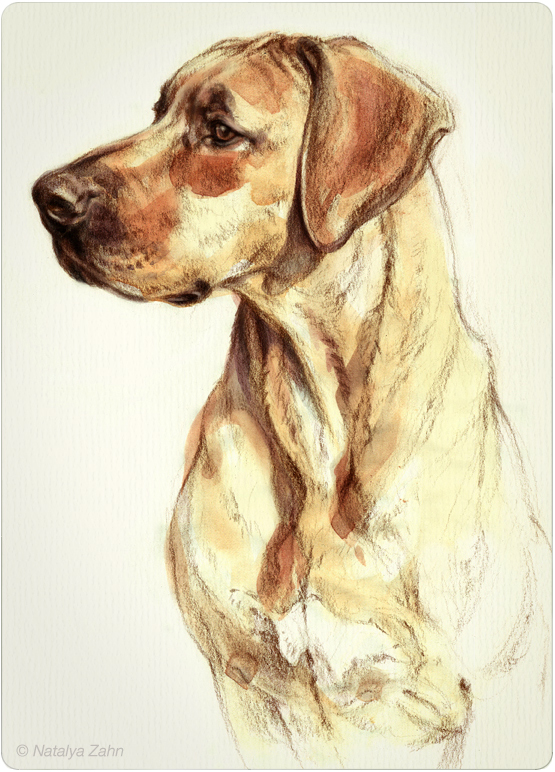
Recently, I had the opportunity and pleasure of interviewing  Natalya Zahn, an illustrator living in Cambridge, Massachusetts.  Natalya illustrates dogs and other animals.  Some of her work is displayed below and you can also visit her website and blog to view more of Natalya’s work.

KATHERINE CARVER: What were your beginnings as an artist and when did you realize it would become your chosen form of expression?

NATALYA ZAHN: I am very fortunate to have come from a family and community of artists.  I knew from day one that art would be an integral part of my life, and my parents happily encouraged me – I spent countless hours drawing, painting and constructing things in their studios (and anywhere around the house, really).

KATHERINE CARVER: Did you study art formally?

NATALYA ZAHN: Yes.  I had a hard time deciding whether I wanted to go to college specifically for art, or whether I wanted a liberal arts background that would allow me to study the sciences (which are another major passion of mine), but upon visiting the Rhode Island School of Design during my decision process, I fell head over heels in love with the campus and energy of the place… after that, there was no question where I would attend.  I still have a serious interest in biology, zoology and anatomy, but ultimately, art school was a wise choice.

O-Portrait-Experiment

KATHERINE CARVER: How do you describe your style?

NATALYA ZAHN: My style is overarchingly realistic, but it has been shifting a bit lately.  I have found that the older I get, the more expressivity I want out of my work.  Maybe I’m getting increasingly impatient – more likely I’m just much more confident – but I have a greater and greater appreciation for spontaneity of brushwork, efficiency of line, and deliberate, bold use of color than I used to.

The ink drawings that characterize Oscaratemymuffin.com are actually a brand new direction for me that arose out of being inspired by other contemporary illustrators.  In fact, I started Oscar’s blog and developed the “brand” precisely as a creative challenge to myself – it’s my sandbox of sorts to really explore the medium of ink (which, as a style, I thought had more potential to be commercially viable than the acrylic paintings I had been focusing on previously).  It’s been a total joy, and I’ve been able to apply the techniques that I’ve learned and developed to many new, non-dog related projects.


KATHERINE CARVER: What was the impetus that inspired you to begin illustrating dogs and other animals?

NATALYA ZAHN: I grew up in rural Vermont, where both the Northeast wilderness and peaceful, bucolic farmland were in abundant supply.  For as long as I can remember I have been drawn to animals… I was always the kid who lagged behind on a walk in order to stop by a fence and entice a cow over to say hello, or pet a neighbor’s dog; I rode horses throughout my childhood and high school years; and my favorite destinations on family vacations were always zoos, aquariums or the great diorama halls of natural history museums.  To this day I find the company of animals somehow more rewarding than that of most people I encounter… As artistic subjects, I think they (referring to pretty much all animals) are head and shoulders more beautiful in form – and breathtaking in their variety – than humans, consequently, people rarely show up in my work.


KATHERINE CARVER: How have your own dog(s) influenced your artwork?

NATALYA ZAHN: For a long time after getting Oscar people would say to me, “He’s so handsome – you must draw him all the time!”, and for some reason – I didn’t! (shame on me!)  He’s always been a wonderful inspiration for my creative eye, and I have thousands of photographs of him, but it was only recently that he became the star of a whole series of artwork – I suppose I’m making up for lost time.  Since developing Oscaratemymuffin.com, I’ve made it a point of conveying his very unique personality through the illustrations – the blog is a character study of sorts – and it’s been great fun to introduce the Beast to the world, and finally give him the spotlight he deserves.

Studio-NAP-COMP-SM


KATHERINE CARVER: When and how did you begin your blog entitled, “Oscar Ate My Muffin”?

NATALYA ZAHN: Oscar’s blog debuted on his birthday, March 27th, 2012.  I had been wanting to develop a blog solely for him, and launching it as a “gift” to him on that day seemed perfectly appropriate.  I wasn’t sure exactly what direction it would end up going in – that’s the beauty of blogs, they’re so completely organic – but I knew illustration would be a distinguishing element.  Looking back now through our posts, you can clearly see an evolution of the ink style I referenced previously… it’s quite a trip.


KATHERINE CARVER: Where do you show/exhibit your work?

NATALYA ZAHN: I actually don’t currently exhibit my work, though I wouldn’t be opposed to a gallery show.  Between commercial work, self-initiated blog projects, and my responsibilities as an adjunct faculty member at a local college of art, time is just in short supply these days…


KATHERINE CARVER: What does “being creative” mean to you?

NATALYA ZAHN: Being creative is a total state of mind for me.  More than any particular materials or mediums, it’s critical to my sanity as an artist and designer to always have the freedom to be “making”.  I’m so lucky to be able to make a living using my creativity, but outside of the paid projects, I take all kinds of opportunities to visualize ideas, be it doodling on napkins while waiting for a meal, sculpting a critter in fresh, wet snow, or collaging my own cards and envelopes for gifting to friends; there really is a way to transform just about anything into a project.

 Oscar-Child-2sm

KATHERINE CARVER: What is the most challenging aspect of being an artist?

NATALYA ZAHN: From my experience, many artists struggle with being their own best representatives – we’re perfectly happy to humbly toil away all day in the studio, but when it comes to shopping our work to prospective clients, negotiating contracts and terms, and pretty much anything regarding money (all of which distinguish a successful career from merely a hobby), we tend to go into avoidance… Speaking for myself, learning and excelling at this “business” aspect has always been the very most challenging part of my job.

KATHERINE CARVER: What inspires you to keep going and what keeps you motivated?  

NATALYA ZAHN: It’s probably easier to make a list of things that DON’T inspire me … I find amazing details just about everywhere I go: neighborhood animals and wildlife; the seasonal state of surrounding plants and trees; colors and textures of the urban landscape – the world is absolutely full of beauty, you just need to remain present and aware in order to see it sometimes.  My running project “wish list” is far too long to ever be tackled in full – this can be a frustrating position, but it also means I rarely end up feeling truly “stuck”.

 Pumpkin-Treats2-SM

KATHERINE CARVER: What is the most rewarding and satisfying part about being an artist and creating art?

NATALYA ZAHN: It’s hugely satisfying to see my illustration live a life of it’s own out in the world – whether it’s printed in the pages of a magazine; repeated in a pattern on apparel; or branding a product on a grocery story shelf – that feeling of pride never gets old.  And even though there are very stressful, daunting aspects of being self-employed, I get to wake up every day actually eager to go to work… that’s pretty epic.


KATHERINE CARVER: Looking back on your accomplishments, to date, what are you the most proud of?

NATALYA ZAHN: I’m honestly just increasingly proud of having built the career path I’m currently following.  It has been an arduous, frustrating, and very challenging effort, but I’m finally feeling things solidify, and I’m so looking forward to where it all goes from here.
 

KATHERINE CARVER: What are you working on now?

NATALYA ZAHN: My project queues tend to be quite eclectic, but right this moment I’m actually recipe testing and gathering visual reference for a really fun illustrated dog treat feature that will be appearing in print later this summer – that is unfortunately all I can disclose!

 Oscar-PIRATE-SM

KATHERINE CARVER: What artists inspire your work?

NATALYA ZAHN: So many favorites and influences – a few: Rein Poortvliet, Jillian Tamaki, Ping Zhu, James Gurney, William Wegman, Maira Kalman, David Downton, Tom Lovell, Walton Ford


KATHERINE CARVER: What piece(s) of your artwork is your favorite?

NATALYA ZAHN: I don’t know if I can narrow down a single piece as an all-time favorite of mine, though most recently, I had a fantastic time creating a dog-themed wrapping paper design that I had screen printed for the 2012 holiday season, shown below.  Using a black lab puppy as my inspiration, I generated a handful of small ink illustrations that I then assembled in Photoshop into a repeating pattern. The pattern was printed in one color on newsprint and I used the sheets to wrap gifts and send out promotional packages to a few lucky art directors.  It was a great success and I’m looking forward to creating more patterns in the near future.  (Here is a link to the pattern project in a New Year’s post to the Oscar blog).
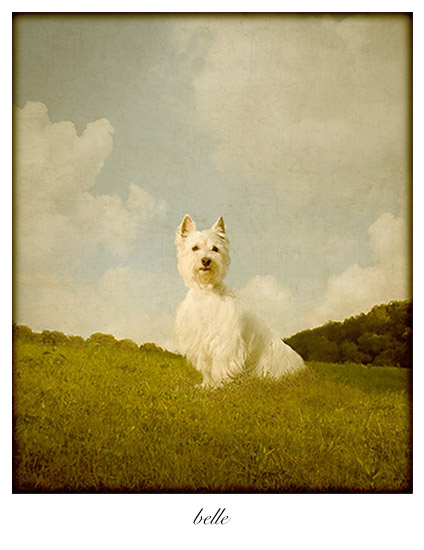
wrap


KATHERINE CARVER: What advice do you have for aspiring artists?

NATALYA ZAHN: It’s easy, especially when just starting out, to get hung up on what kind of work you think you ‘should’ be making, or what others tell you you’re best at – disregard this.  Your best work will happen when you focus on that which you know and love, and your most valuable audience will follow that work.  Not sure you really know how to visualize what you know and love?  Just keep ‘making’, and let each step, each project, lead to the next.  Momentum is HUGE and you never know where the sparks are hiding until you hit them.


KATHERINE CARVER: How can people view and commission your art works?

NATALYA ZAHN: I have an online portfolio of assorted work that can be viewed at http://www.natalyazahn.com – there is a dedicated “Portrait” section for those seeking a painting or drawing of their animal.  I’m currently doing commissions in both full-color acrylic style, and my newer ink drawing style.  Those interested in a portrait should feel free to email me for more information and a price list: natalya@natalya.com.
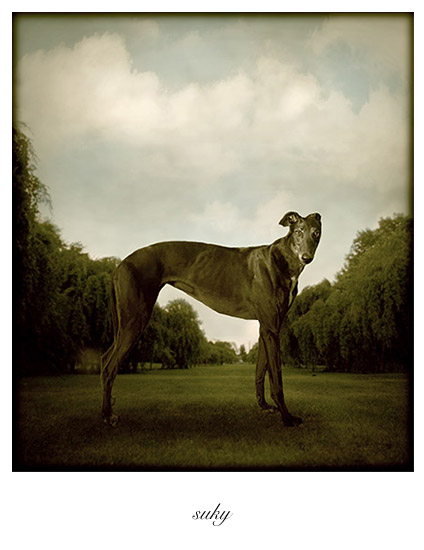
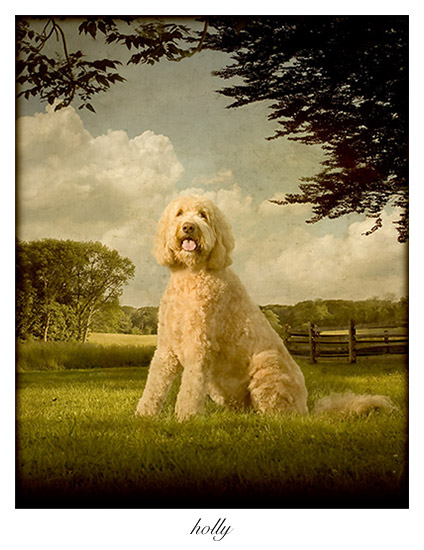
Please visit Natalya’s  website and blog to learn more!

*All images contained in this post are courtesy of Natalya Zahn.

You can read additional interviews here.