Skip to content

Posts from the ‘Interviews’ Category

Interview with Jennifer Williams, Cuddle Clones

Interview with Jennifer Williams, Cuddle Clones
J. Williams 2


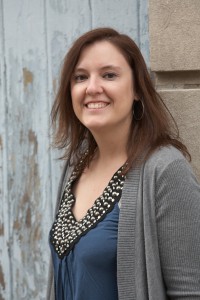
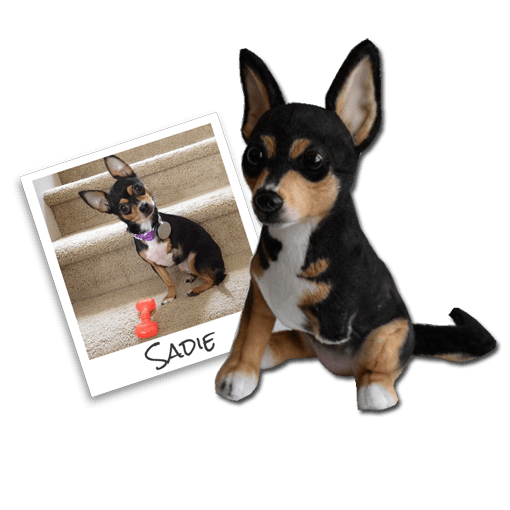
Recently, I had the opportunity and pleasure of interviewing Jennifer Williams, Founder and CEO (Chief Cloning Officer) of Cuddle Clones, a startup company that creates soft and adorable plush versions of furry family members along with other customized pet products.  Jennifer earned her undergraduate degree in Mathematics and Business from the University of Puget Sound and an MBA in Entrepreneurship from the University of Louisville.   Jennifer spent ten years consulting before utilizing her entrepreneurial skills and founding her company, Cuddle Clones.  Jennifer lives with her husband, Danny, and two fur children, Izzy and Annie.  A selection of Jennifer’s company’s work is shown below.  Please visit Cuddle Clones’ website to learn more!


KATHERINE CARVER: When did you start your company creating custom Cuddle Clones?

JENNIFER WILLIAMS: Cuddle Clones really started gaining some traction while I was enrolled in the entrepreneurship MBA program at the University of Louisville in 2009.  In the program, we had to present our top two business ideas, and Cuddle Clones was one of mine.  My team really liked the idea so we proceeded to the next steps of performing an industry analysis and creating a formal business plan.  During the rest of the program, we presented at several business plan competitions and won approximately $50,000 in funding.  After school ended, my one remaining business partner and I spent two years refining our product to the standard of what we had envisioned.  We finally launched the Cuddle Clones official website in May 2013.  The plush Cuddle Clone was our flagship product but we now also offer 3D-printed sandstone figurines and ornaments of your pet, as well as several memorial products.

BrooklynInstagram


KATHERINE CARVER: What inspired you to begin your company creating custom Cuddle Clones?

JENNIFER WILLIAMS: I had a harlequin Great Dane named Rufus, who was white with very unique black patches all over and two different colored eyes.  I remember one day thinking that I could never find a plush animal like him on the shelf in a store and thought it would be neat to have a custom stuffed animal version of him.


KATHERINE CARVER: How did you practically go about starting your company creating Cuddle Clones?

JENNIFER WILLIAMS: Starting the company was a pretty difficult process and still is!  We tried for a few years to have prototypes made that were of the quality and cuteness that we had in our heads.  We had several prototypes made in the USA and China.  The ones in the USA were actually pretty bad in quality and also cost a fortune.  We had some good prototypes from companies in China but none of the companies wanted to be our manufacturer because their business model involves making thousands of units of the same plush animal, not “one-of-a-kind.”  We considered all of our options, and finally decided that we would have to start our own workshop.  We chose China because of the availability of materials, the talent of the plush designers, and the fact that we could produce Cuddle Clones hopefully at a price that was not prohibitive to the customers.  Even if we had found a good manufacturer in the USA, the retail price would have been cost prohibitive, over $1,000 for a Cuddle Clone.

InstagramMax


KATHERINE CARVER: What is the process from start to finish, including the time involved, to create a custom Cuddle Clone?

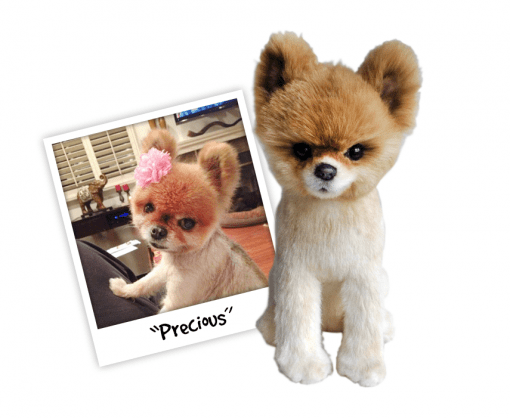
JENNIFER WILLIAMS: First, a customer places an order on our website.  We ask some questions about their pet, including name, species, breed, and approximate weight.  Then, they upload up to 10 photographs of their pet.  We recommend all angles and face close-ups, but we try to work with whatever the customer has.  Then it’s on to the selection and customization options.  The main customization option is selecting the Cuddle Clone’s position – for a dog, they can choose standing, sitting or lying down.  Ear position, tail position, and whether the mouth is closed or open with a tongue are additional customization options.  The customer can provide us with any additional details and characteristics about their pet that we are to incorporate into his/her Cuddle Clone.  Once an order is placed, we process the information and follow-up with the customer if anything is missing or we need additional information.  The order information is translated into Chinese for the designers and airbrushers.  Every Cuddle Clone is made from scratch by hand.  A plush designer starts by creating the custom pattern for the particular pet. Cutting and sewing are the next steps.  A handwork person and an airbrusher put finishing touches on the plush replica.  We have different quality control procedures in place at different points of the process.  Once approved, a Cuddle Clone is either shipped directly to the customer from our workshop or to us first in Louisville, Kentucky and then back out to the customer.


KATHERINE CARVER: How do you find and hire designers and artists to create Cuddle Clones?

 JENNIFER WILLIAMS: This was one of the early challenges.  I was told that “plush left the USA in the 80’s,” so when we were originally looking for plush designers in the USA, we only found a few and they wanted at least $1,000 for just one pattern.  We were able to work with our great network in China to hire our first few plush designers there and now we have 16 plush designers.  A plush designer usually gains experience through an apprenticeship – there are rarely schools for plush design.  We have regular training programs in place so that our less experienced designers can learn from our folks that have been making plush designs for years.
precious


KATHERINE CARVER: Why do most people have a customized Cuddle Clone made?

JENNIFER WILLIAMS: I think the number one reason people buy a Cuddle Clone is to have a huggable way to remember a loved pet that may or may not have gone over the rainbow bridge.  Whether the person is purchasing one for themselves or a friend, Cuddle Clones provide some comfort to a pet owner who has lost a beloved member of the family.  There are several other reasons why people get a Cuddle Clone made – the full, somewhat amusing list, can be found here.  Among the more serious reasons are students heading off to college that have to leave the family pet behind or military personnel who are deployed and want their pet to hold while they are away.


KATHERINE CARVER: What is the most rewarding part of your job as an entrepreneur and CEO of your Cuddle Clone business?

JENNIFER WILLIAMS: I do love that I get to look at cute pets all day!  I really like that I have built Cuddle Clones from scratch and that we seem to be doing a-ok so far.  Our customers are very emotional and while we cannot satisfy everyone, there is nothing better than to receive that email or social media post with pictures of a customer’s Cuddle Clone thanking us for what we do and how we have helped them.  From day one of forming our company, we have donated a portion of our sales to charities as well – we like helping individual pets on IndieGoGo as well as different nonprofit organizations throughout the world.  You can read about all of our donations here

 InstagramVenus


KATHERINE CARVER: What does “being creative,” mean to you?

JENNIFER WILLIAMS: For me, it’s having a vision and being able to get the right people to execute that vision.  I was an actuary in my former career, and for those who don’t know what that is, it’s heavy in math and light in creativity.  I always had that entrepreneurial bug and probably have about 30 business ideas.  Cuddle Clones was definitely one of the ideas that I thought about the most.  While I myself am not a true ‘artist.’ I can envision a business or product that I believe will be successful in the marketplace, even when others think I am crazy.


KATHERINE CARVER: What inspires you to keep going and what keeps you motivated? 

JENNIFER WILLIAMS: I believe that we are nowhere near hitting our potential of what Cuddle Clones can become.  Not many people know about us, so we definitely want to increase awareness.  We would like to be known as the place to go, not only for great unique products but a place to go for a community around the rainbow bridge and when your pet passes away.  My employees keep me going for sure – they work extremely hard every day to make this happen and I need to be there for them.  My own dog, Izzy, keeps me motivated for sure as well!
 SadieInsta


KATHERINE CARVER: What future projects are you working on with Cuddle Clones? 

JENNIFER WILLIAMS: We have several projects in the pipeline for Cuddle Clones.  We are always on the lookout for new, unique products to add to our mix.  We have seen growth in our custom sandstone figurines and ornaments products.  We have also been recently promoting our plush creation product, plush replacement product and golf club covers.  We introduced two products this week – wood-burned memorials and memorial brass urns.  All of these items can be found on our products page here.  We have a full section of our website in the works focusing on the rainbow bridge.  We also are working on establishing some bigger partnerships in 2016.


KATHERINE CARVER: How can people learn more about Cuddle Clones?

JENNIFER WILLIAMS: Interested folks can visit our website to learn more about placing an order or our other products.  Our photo gallery is definitely a fun place to go to see all the beloved pets that we have created.  Our blog features different pets each week as well as nonprofit organizations to which we’ve donated and individual pets that we have helped.  We also are pretty active on our social media pages, including Facebook and Instagram.  We regularly run contests and promotions through our email list and our social media.  In fact, all Biscuit’s Space readers can use this coupon code, KCARVER, to receive 15% off their purchase, through December 31, 2015!


*All images contained in this interview are courtesy of Jennifer Williams.

You can read additional interviews here.
Interview with Mahny Djahanguiri, Doga Expert and Author

Interview with Mahny Djahanguiri, Doga Expert and Author

Partners


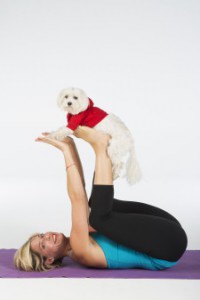
Recently, I had the great pleasure of interviewing Mahny Djahanguiri, Europe’s leading Doga expert and author of the recent book entitled, DOGA – Yoga for you and your dog.   Mahny resides and teaches yoga and Doga in London, England.  She has also appeared on a famous television show, Made in Chelsea, where, soon after, Doga received significant press.  According to Mahny, “I believe dogs are natural healers.  Doga is a symbiotic, organic bonding exercise for canine and human – the two go hand-in-hand or rather, hand-in-paw!”  Mahny also stated that, “Our dogs are so totally attached to us; therefore, whenever we change mood, body language, posture, and breath, for example, our dogs immediately feel that transformation on a metaphysical energetic level and transform with us.”  This is a fascinating interview, especially for those of you who are dog and yoga lovers!  Please visit Mahny Djahanguiri’s website to learn more about Doga.  (Further, you can view videos of Doga here.)


KATHERINE CARVER: What is Doga?

MAHNY DJAHANGUIRI: Doga is yoga for you and your dog, which applies the ancient tools and principles of yoga, deepening your “natural bond” with nature.  Doga is a symbiotic, organic yoga practice you can share with your dog, much like mummy and baby yoga.  The dog aids as a weight or, if heavier, aids as a yoga bolster.

It actually feels reassuring for both the human and the dog to have our dog sit on our lap, on our hip, or folding over a large dog whilst performing traditional yoga.

People often think I teach doggie yoga; however, it is impossible, and it is also extremely harmful to stretch or twist your dog.  Doga is human yoga that encourages each dog’s participation.


KATHERINE CARVER: What are the origins of Doga?

MAHNY DJAHANGUIRI: Doga was founded several years ago by a U.S. yoga teacher named Suzy Teitelmam.  She noticed whenever she was on her yoga mat, her poodles liked to join in.  She developed yoga poses that involves lifting her dogs into poses and using their weight as an extra challenge but also simultaneously creating a fun experience.


image4


KATHERINE CARVER: How does a dog actually practice Doga?

MAHNY DJAHANGUIRI: The dogs don’t actually do much – they don’t do human yoga poses – but they absorb our energy.  They don’t practice they just feel your vibration and energy freely without judgment.  So as we practice our yoga, they are invited to lie on our yoga mat while we dedicate our attention on our physical yoga practice.  When the time is right, you can try to incorporate your dog into your yoga practice.  Small dogs generally act as weights; and large dogs become a support – much like a yoga block.  Throughout the practice we focus on breathing and transferring that breath onto our dog.   Our dogs are so totally attached to us; therefore, whenever we change mood, body language, posture, and breath, for example, our dogs immediately feel that transformation on a metaphysical energetic level and transform with us.


KATHERINE CARVER: In your experience, do most dogs, of various sizes and breeds, participate and enjoy Doga?

MAHNY DJAHANGUIRI: All dogs are welcome in Doga.  And, surprisingly enough, it’s the larger size dogs that usually settle on the yoga mat first.  Smaller dogs often struggle with “separation anxiety” oftentimes the human is being overprotective due to the size of their dog – instead of allowing a small dog to act out a “large dog” attitude, i.e., not using leads.

So, I find that breeds such as Chihuahuas, Dachshunds, and Pomeranians are more unsettled as compared to other larger breeds such as Staffordshire Bull Terriers, Labradors, Terriers, and Pugs, for example.  It can take up to two Doga sessions to transform the human and the dog into a calm, safe, and relaxed state of being.

From my observations, dogs absolutely love and enjoy peace and tranquility.  A calm serene environment is where they can be lazy, begin stretching, and rolling over on their backs in a supine/surrender position.

Additionally, we apply touch, massage, breath control, and chanting on our dogs and they are extremely receptive to touch and sound vibration.


image7


KATHERINE CARVER: How did you discover and come to practice Doga?

MAHNY DJAHANGUIRI: I’ve been an ashtanga yoga practitioner and teacher for the past fifteen years.  Doga began while working as a yoga therapist at a children’s shelter for traumatized, neglected, and abused children.  My clients ranged in ages from three to fifteen years old.  At the children’s shelter, I witnessed everything I needed to see to learn about “attachment theory.”  These kids, due to their awful circumstances, were craving more attention than the average “healthy child.”   In the child’s mind, any attention was good even if it was abusive.  Their loyalty towards the parent/the abuser was heart wrenching.  (This reminded me so much of the dog mentality.)

At the children’s shelter, the children’s central nervous systems were totally out of whack, as they struggled each day to survive due to neglect, etc.  Furthermore, the children’s spine and brain couldn’t develop properly due to lack of care, food, health, and emotional well-being.  Their brains were accustomed to solely functioning on adrenaline.

In my work at the children’s shelter, I used intense yogic breathing to help soothe my central nervous system, which in effect, calmed the children’s nervous systems as well.  When the children became calm, I oftentimes incorporated massage, various breathing techniques, and sound vibration.

Doga evolved from the methods and techniques I had been applying during my tenure at the children’s shelter.  The children’s “triggers” were similar to dogs’ “triggers.”  It was all about survival and hierarchy of the pack.  There was always the “ring leader” or pack leader.  Once everyone found their place in the pack, things settled.  Slowly, I began to gain respect and trust of the children at the shelter and I became the leader of the gang though my own stillness, wisdom, and courage.  I gained respect, and the children all seemed to calm down and “copy” my breathing.  This same process happens in Doga, too.  It’s phenomenal.


KATHERINE CARVER: How has your life changed since practicing and teaching Doga?

MAHNY DJAHANGUIRI: I cannot imagine my life without my dogs and yoga.  To be able to combine the two and make a living from it, writing the first book about Doga, and becoming an expert and author of Doga, is a dream come true.  It was always my mission to work with “the innocent.”  It has become my mission to work with children and dogs applying yoga to help them restore faith in humanity.

I want to open a yoga center, hopefully in the United States, that provides yoga/Doga for rescue animals and children with emotional, neurological, and biophysical issues.  I’d like to explore how a rescue dog can potentially help a child with autism and vice versa.  Yoga will be among one of the tools I’d like to use as well as art, massage, and music therapy.  I believe dogs are natural healers.  Doga is a symbiotic, organic bonding exercise for canine and human – the two go hand-in-hand or rather hand-in-paw!


Partners


KATHERINE CARVER: How has you and Robbie’s (your dog/dogi) relationship changed and developed since practicing Doga together?

MAHNY DJAHANGUIRI:  Our relationship has changed.  Robbie, pictured above, copies and embraces everything I do.  He has become my working partner and my canine Freudian companion.   I miss him when I’m not around him.  We have such a trusting relationship, that I can take him wherever I go.

We work together on so many cases – from blind autistic clients to rescue dogs that are in the process of being rehoused, for example.  Robbie knows when it’s time to go to work.  Sometimes I feel a little guilty because I think I might overwork him.

In our open Doga classes, I let Robbie have fun; and I try to give him as much playtime as possible when we’re out walking together.  He loves jogging with me.  In fact, he’s such a fast runner he out takes me.  I think Robbie appreciates the fact that I get him involved in my work.  We’ve had many television performances and demonstrations together.  The traveling seems to unsettle him; and Robbie does not like the “performance” and “show time” aspects of giving Doga demonstrations to large audiences.  I’m aware that he is a dog — and not a prop.  Therefore, I never want my dog to become a show dog.   I believe it’s cruel to take advantage of our dogs for superficial purposes.


KATHERINE CARVER: What are some positive benefits for humans practicing Doga?

MAHNY DJAHANGUIRI: Doga is a bonding experience.  Having your dog in your yoga practice helps you deepen the natural organic relationship that already exists inside you – similar to mummy and baby yoga.   You bond with the beloved and feel relaxed and at ease.  This practice helps with treating anxiety disorders, depression, panic attacks, asthma, high blood pressure, heart diseases, allergies, and all other stress related diseases, etc.  Doga even helps people undergoing chemotherapy.


022-023_HIW_036


KATHERINE CARVER: What are some positive benefits for dogs practicing Doga?

MAHNY DJAHANGUIRI: I can’t stress how important Doga is for both the human and canine.  Doga is a ground breaking, revolutionary yoga therapy.  Doga decreases stress levels in canines and helps with “attachment issues.”  Doga also helps with each dog’s sleep and digestion since Doga replenishes the parasympathetic nervous system in dogs as well.


KATHERINE CARVER: What is most rewarding about practicing and teaching Doga? 

MAHNY DJAHANGUIRI: To see people smile or cry at the end of a session – kissing their dogs and talking to them.  I also enjoy observing all of the dogs lying fast asleep on our yoga mats.  This all brings a tear to my and Robbie’s eyes.


KATHERINE CARVER: What artists/persons inspire your Doga work?

MAHNY DJAHANGUIRI: All of my yoga teachers from past and present are all inspirations to me.  To whom I’m most humbly grateful towards is my Guru, the late Shri K Pathabi Jois; Richard Freeman; Tim Miller; Dalai Lama; and my mother.  Also, Michael Jackson’s music inspires me to do good in this world.  I also am influenced and inspired by Mozart, Bach, Chopin, Arcade Fire, James Bay, and Derek Paravacini.  There are so many artists that inspire me to carry on.


doga press


KATHERINE CARVER: What does “being creative” mean to you?

MAHNY DJAHANGUIRI: To me, “being creative” means connecting with the divine or divinity and allowing the source energy to flow through you without resistance.


KATHERINE CARVER: What was the impetus for writing your recent book, Doga – Yoga for You and Your dog?

MAHNY DJAHANGUIRI: My dog and I were on a  famous television show entitled, Made in Chelsea.  Although we were only in it for 30 seconds, 6 million people viewed it.   It received hype and we had features in all the main British tabloid press.  My editor, Trevor Davies, called me one day after our Made In Chelsea television appearance and he asked me, “how would you like to write a book about Doga?”  I remember I was standing in the middle of Robbie’s favorite park standing next to my mum.  I then turned to mum and said, “Mum – they just offered me a book proposal!”  I was ecstatic.   It meant the world to me having a very well-known book publisher wanting to take the whole ‘Doga thing’ seriously.  After fifteen years of teaching yoga, I finally received some professional recognition, which felt very rewarding.


image6


KATHERINE CARVER: Can you tell us more about your recent book, Doga – Yoga for You and Your dog?

MAHNY DJAHANGUIRI: Doga – Yoga for You and Your dog contains twelve chapters, and it is a yoga book for humans who want to involve their dog into their yoga practice.  The first two chapters describe the relationship between the yogi and dogi and how to put the yoga into the Doga.   It covers the ethical and moral codes of conduct based on the 8 limbs of ashtanga yoga founded by Patanjali who lived in 800 B.C.  

The third chapter discusses breathing, followed by over one hundred pages of individual Doga poses to vinyasa flow yoga sequences.  The poses gradually become more challenging for the practitioner, not the dog.  Each Doga pose is accompanied by text outlining the benefit for the human and the dog.  The remaining chapters are dedicated to canine massage and Vedic chanting that helps quiets the human and the dog’s parasympathetic nervous system.


DOGA BOOK POSTER


KATHERINE CARVER: Do you think that Doga classes will become even more prevalent in the near future?  There appears to be quite a large Doga following presently.

MAHNY DJAHANGUIRI: Indeed!  I think there will soon be a Doga pandemic “outbreak” worldwide.  I’ve had hundreds of yoga teachers, vets, trainers, and behaviorist asking when I will begin the Dogsmahny TM teachers training.  I’m happy to say the first teachers training will begin next March 2016 in London.

I want to see Doga being incorporated in every therapeutic aspect — incorporated into schools, shelters, clinics, and hospitals, etc.  We need to learn so much more about the animal kingdom and what connects us to nature.

I’m also delighted to announce my first YouTube channel Dogamahny which you can now subscribe to.  So you now can practice Doga at home with Robbie and I, especially if you live outside of the London area.


KATHERINE CARVER: How can people view and purchase your book and learn more about Doga and your work?

MAHNY DJAHANGUIRI: My YouTube Channel, Dogamahny Yoga for You and Your Dog, launched recently on November 2, 2015.

You can purchase my book, Doga – Yoga for You and Your dog, from Amazon or visit your local bookstore.  My book is available at Barnes & Noble, Waterstones, WHSmith, and many other bookstores throughout the world.  The U.S. and Canadian book release was June 5, 2015, Hamlyn.

Hopefully well be touring the United States within the next year giving demos and talks and book signing events.

All images contained in this interview are courtesy of Mahny DjahanguiriOctopus Publishing; Brite Space Partners; and Sweat Studios.

You can read additional interviews here.

Interview with Hilda Grahnat, Co-Founder, Pet People Magazine

Interview with Hilda Grahnat, Co-Founder, Pet People Magazine

headshothilda


Photo Credit: Marit Lissdaniels


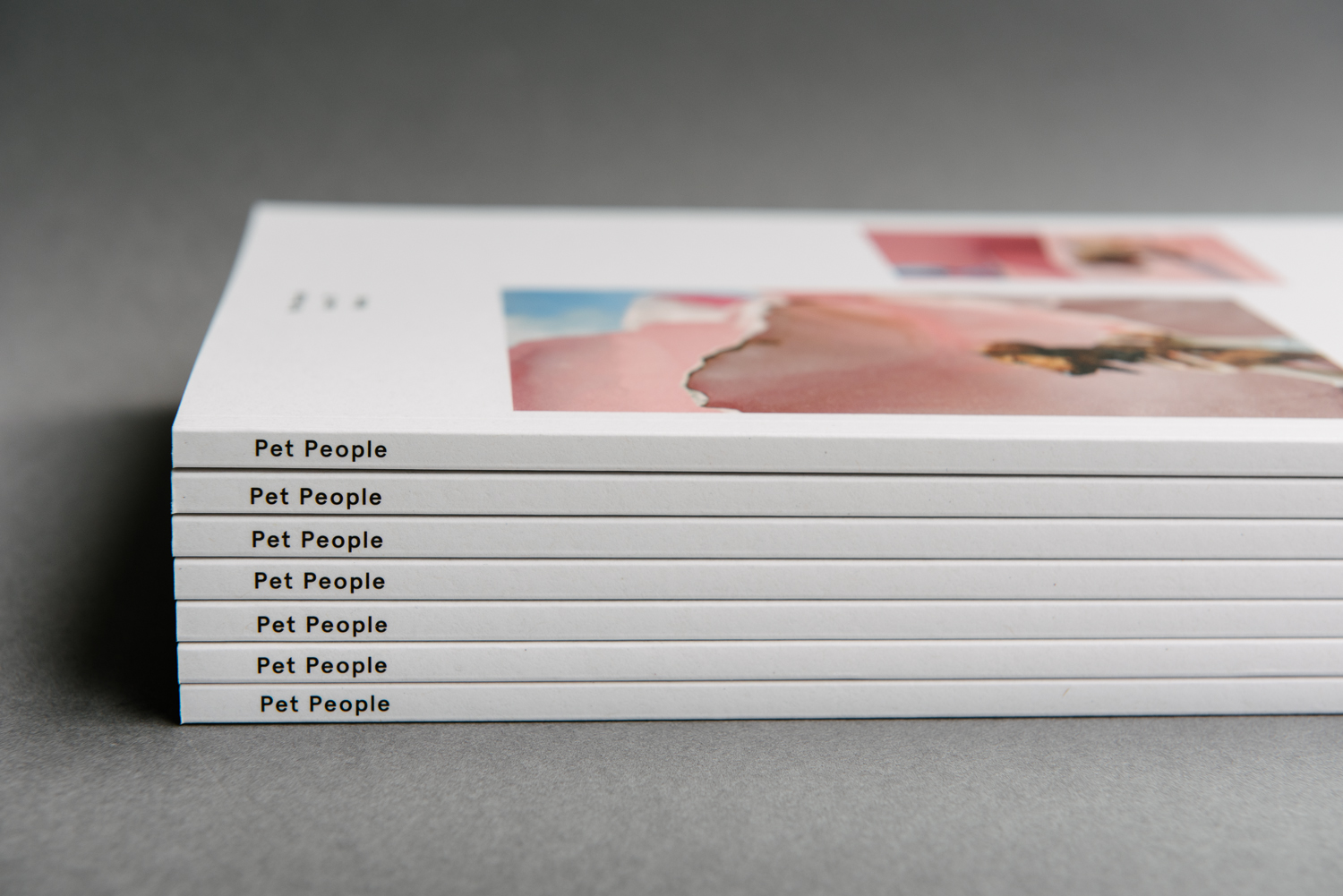
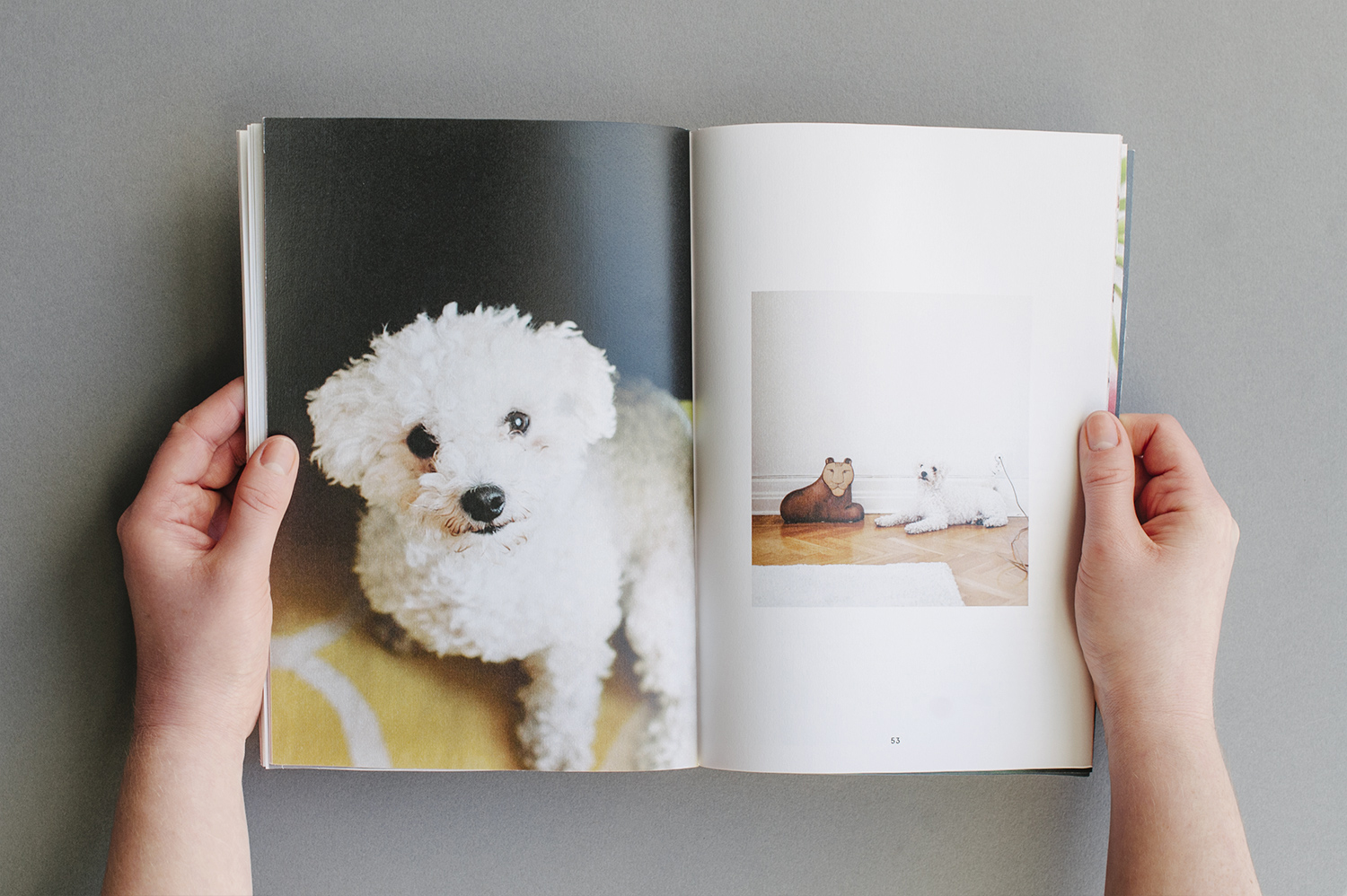
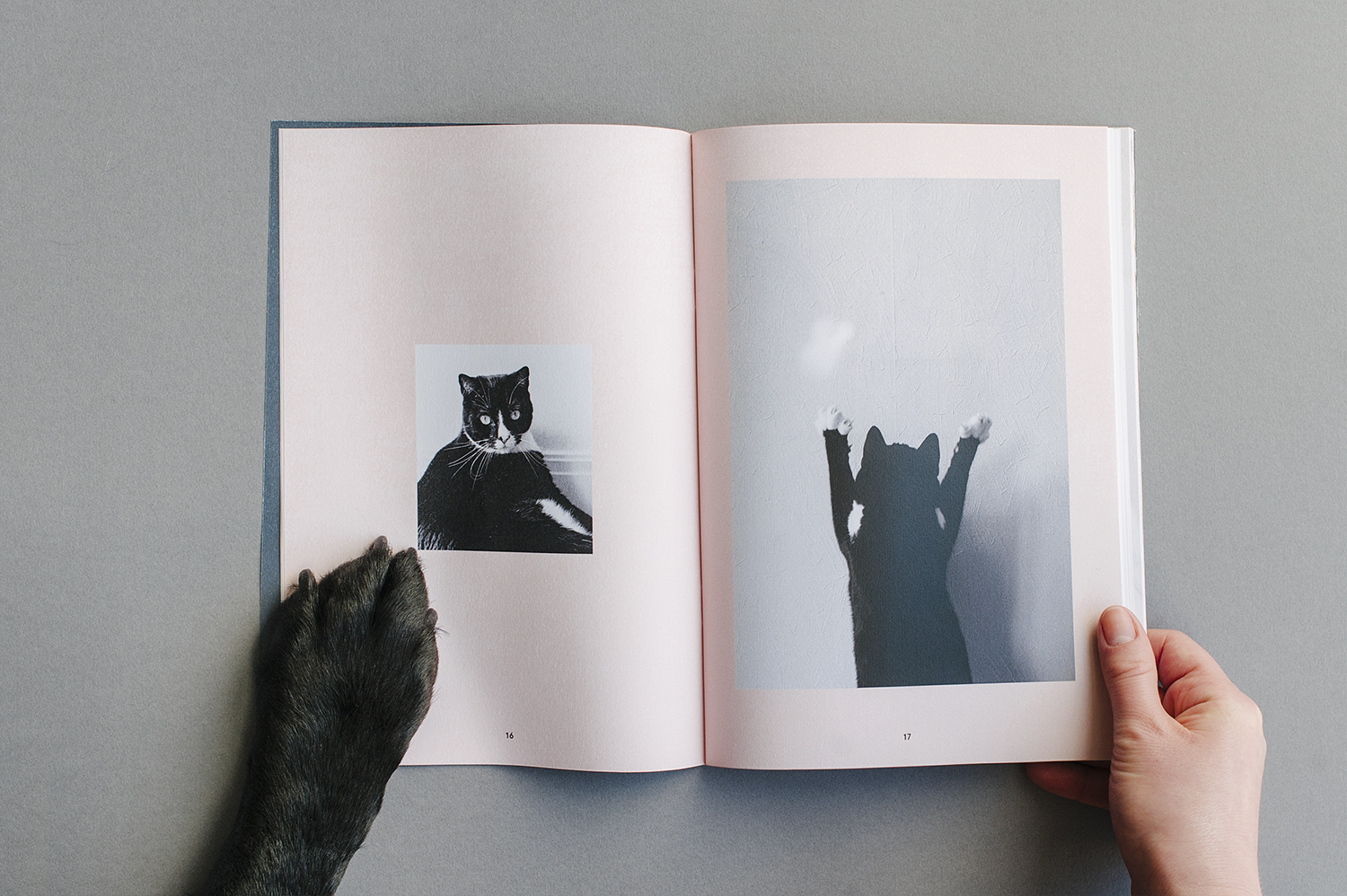
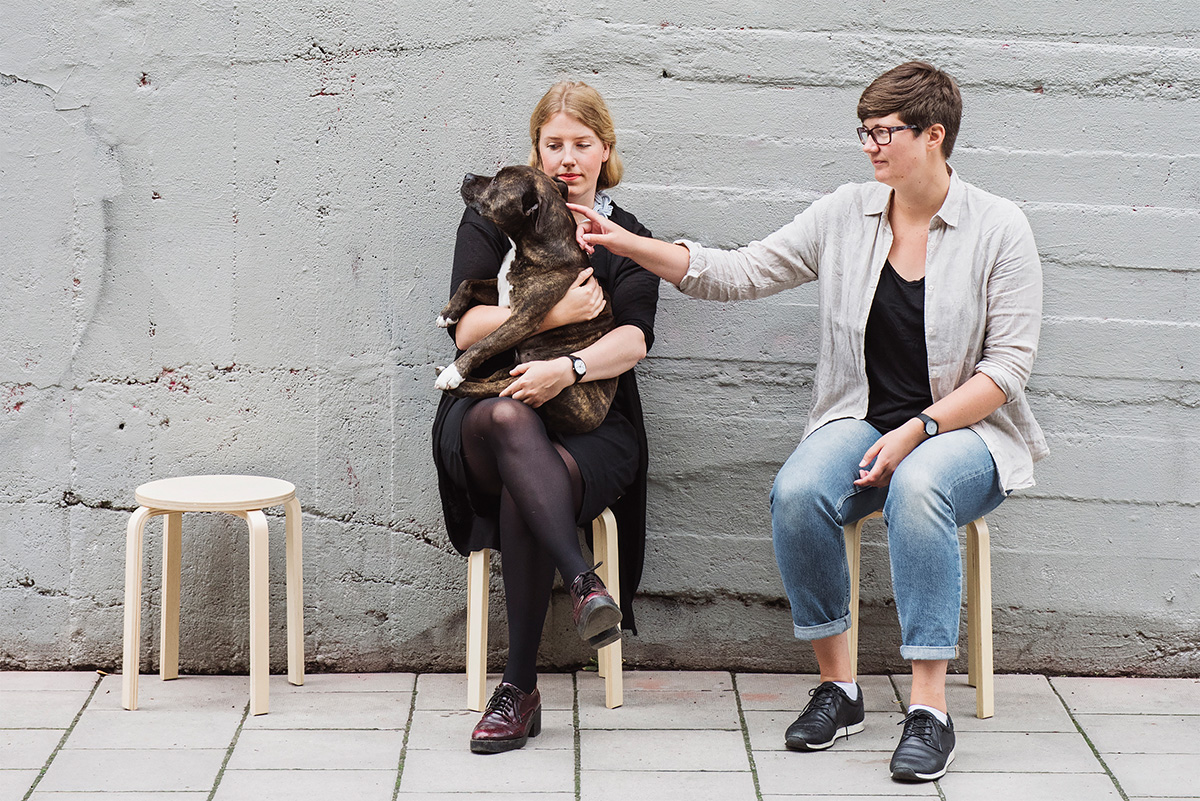
Recently, I had the great pleasure of interviewing Hilda Grahnat, co-founder of Pet People Magazine, an independent print publication, which offers a peek into the lives of people and their furry family members.  Hilda possesses a photography and graphic design background along with a passion for animals.  Pet People Magazine is based in Sweden, but it will be traveling to various cities for each subsequent issue, while featuring new geographic areas and animals focusing on the human-pet relationship.  According to Hilda, “The relationship between pets and their people is something unique and it’s really wonderful to get to observe that firsthand through this project.”


KATHERINE CARVER: What were your beginnings as a photographer and when did you realize it would become your chosen path and form of expression?

HILDA GRAHNAT: I became interested in photography in high school, around the time when DSLRs were becoming affordable and almost every young girl I knew had one or wanted one.  I took a summer job in a local photo store and at the end of the summer, I  bought my first (discounted) DSLR.  I took photos of anything and everything and shared them online; I wanted to document and share my world view.  I started a blog as an incentive to take more photos in my daily life, and with increased readership I started receiving commission requests, and that made me start to think about making it my job.  But it wasn’t until I had studied graphic design for a few years, that I realized that taking photos came more naturally to me — I was doing it so subconsciously.


KATHERINE CARVER: How did your fascination with animals come about?

HILDA GRAHNAT: I’ve always been an animal lover.  If my father and brother hadn’t been allergic to fur, I’m sure my family would have had a cat or two, as we all love cats.  But instead I befriend every cat I meet on the street, whether it’s in my own neighborhood, where I’ve adjusted the path of my evening walk, to the streets where the cuddliest cats live, or sneaking treats to restaurant cats when traveling abroad.  I’m fascinated by how animals have as much personality as humans, with habits, quirks, favorites, and fears.  The relationship between pets and their people is something unique and it’s really wonderful to get to observe that firsthand through this project.

hildagrahnat_DSC6562


KATHERINE CARVER: What impetus that inspired you to begin Pet People Magazine with Linnea Paulsson?

HILDA GRAHNAT: We had wanted to work together for a long time, and we’d talked about doing a pet related project as we are both true ‘pet people’ at heart.  So we merged our mutual love for pets and print into Pet People!


KATHERINE CARVER: How did you bring your vision of Pet People Magazine, a printed publication, to fruition?

HILDA GRAHNAT: Our motto (coined by Linnea’s boyfriend Erik) is ‘make it ‘til you make it’ — we were curious to learn more about the independent magazine world and wanted to be a part of it, so we did!  We knew nothing about making a magazine and distributing it before we created Pet People, but we learned through just doing it.  We have financed, photographed, designed, printed, distributed, and promoted it all by ourselves.

hildagrahnat_DSC6606


KATHERINE CARVER: How often will you create print editions for Pet People Magazine?

HILDA GRAHNAT: Twice a year is our goal.  Right now we are gearing up to make Issue 02.


KATHERINE CARVER: What is the most challenging aspect of working on this publication?

HILDA GRAHNAT: Finding good printing options, actually.  We want to print locally and environmentally consciously, while still maintaining an affordable price, which seems to be a difficult combination to find.  We also took a risk by financing the first issue by ourselves.  Other than that, nothing in this project feels challenging but rather adventurous!

01


KATHERINE CARVER: What does “being creative” mean to you?

HILDA GRAHNAT: Creativity for me is that urge to “make something” that you just can’t resist.  I’m not good at making something out of nothing — I use what’s there to create something new.  Photography is a way for me to be involved in things I am interested in and passionate about, and to share that with others through photos.


KATHERINE CARVER: What inspires you to keep going and what keeps you motivated? 

HILDA GRAHNAT: I am driven by a wish to tell stories through my photos, about people or their handiwork, or places or shapes and objects and everything else I like.  A lot of what I choose to photograph are things that I feel go unnoticed or are becoming obsolete and I want to preserve them in the present and for the future.  I feel like I’m a part of a big creative community online, receiving feedback, and finding people who like what I do and sharing similar interests, which keeps me going.

02


KATHERINE CARVER: What are the most rewarding and satisfying parts about creating your work?

HILDA GRAHNAT: Working with people who share the same passion and vision, and making projects happen from start to finish as a team.  I love when I get to be involved in the whole process, from idea through editing and designing to the final result.  In personal projects, I love to work on my own and find satisfaction in creating a series or diptych that flows really well.  Light/shadow, lines/shapes and composition are what get me going.


KATHERINE CARVER: What artists inspire you?

HILDA GRAHNAT: As a child of the digital world, I’m more often inspired by single images than artists’ bodies of work.  I use Instagram as my daily source of inspiration, and follow people from different creative fields, like: @cgbp@heyraygun;@arielealasko;@carissagallo@jimmymarble@osmaharvilahti; @salvalopez@helen_levi;  @atelier_bingo;  @jokemichaels@a.oshea@teklan; and @elo_____


04


KATHERINE CARVER: What advice do you have for someone who wants to start a print publication?

HILDA GRAHNAT: What are you waiting for?  Just do it!


KATHERINE CARVER: What is next for Pet People Magazine?

HILDA GRAHNAT: For our next issue we plan to venture outside Sweden, but we don’t want to give away too much just yet.  (We will post a call on our Instagram and Facebook as soon as we’ve decided, so interested pet people should follow us!)  You can expect more heartwarming and funny stories and photos of cute pets being cuddled and coddled by their people, while you also get a glimpse of homes and city life in our next featured city.


KATHERINE CARVER: How can people learn more about you and Pet People Magazine?

HILDA GRAHNAT: We share outtakes, photos from behind the scenes, news, press articles, and other fun stuff on our Instagram @petpeoplemag and on Facebook .  On our website, www.petpeople.se you can read more about us, find local stockists worldwide and order the magazine directly from our shop.

hildagrahnat_DSC1444


All images contained in this interview are courtesy of Hilda Grahnat.

You can read additional interviews here.

Interview with Hiroshi Takagi, Photographer

Interview with Hiroshi Takagi

写真 2015-04-29 7 19 01


Recently, I had the opportunity and pleasure of interviewing Hiroshi Takagi, a Japanese photographer who recently published a book entitled, Dogs Talk to Uswhich examines how humans and dogs communicate without a common language, using his dog named Taro as the subject of the book.  This is a fascinating topic to explore visually.  Please visit Hiroshi Tagagi’s website to view more of his work!


KATHERINE CARVER: What were your beginnings as a photographer and when did you realize it would become your chosen form of expression?

HIROSHI TAKAGI: The main reason I became interested in photography is because my family owned a photo studio; and because we had cameras at home, around the age of fourteen, I started taking monochrome photos as well as developing my film.


KATHERINE CARVER: Did you study art formally?

HIROSHI TAKAGI: In school, I studied photography.


dogstalktous_11  


KATHERINE CARVER: What was the impetus that inspired you to begin photographing your dog, Taro?

HIROSHI TAKAGI: Dogs and humans have no common language.  Unfortunately, dogs don’t talk like humans do.  We (humans) can still hear their “voice” though, which means that we are familiar with their language.  Their facial expression, their gaze, their sounds, and their actions are a type of language.  When one catches their beloved dog’s “talk” inside this “non-language” it’s really a lot of fun.  Therefore, I want to try to decipher dogs language from their facial expressions and actions, and probe their every request, while looking for consent in our own feelings, in order to get closer and coexist together.


dogstalktous_10


KATHERINE CARVER: Where did the idea come from for your work and book entitled, Dogs Talk to Us?

HIROSHI TAKAGI: As I am a photographer, it must have been my dog, Taros, destiny to become my subject.  Initially, I had no plan of making a book only from these dog photographs, but they caught the eye of an editor that I encountered, and he was the one who decided to publish the book.  Long before publishing was even discussed, and ever since around the time Taro was born, I had been taking photos of him continuously, without any deadlines.  I think this approach helped his relaxed facial expressions.


dogstalktous_2


KATHERINE CARVER: What do you hope readers/viewers will take away from your book entitled, Dogs Talk to Us?

HIROSHI TAKAGI: Following the life of one dog, this book creates a collection of “dog language” in one volume.  These photographs are full of abundant joy of a dog that is skillful in communicating.  I hope that the readers will put their ears closer to the dogs near them, interact with them, and make their own dog dictionaries.


dogstalktous_5


KATHERINE CARVER: What does “being creative” mean to you?

HIROSHI TAKAGI: Taking photographs is my lifework.  It is a means of dialog with others for me, and everything that appears before me is a possible subject.  I don’t have a preference whether the subject is a person, a thing or a dog; it is psychological and instinctive, perhaps an animal-like sensation that I have.  Rather than the risqué part of humans, I think that essentially I may even be closer to the animal way of communicating.


dogstalktous_1 


KATHERINE CARVER: What inspires you to keep going and what keeps you motivated?  

HIROSHI TAKAGI: It is inevitable that we get into misunderstandings with other species.  No matter how much we try, it is a fact that we cannot change the way dogs communicate into words, nor can we really understand “dog language.”  Even more so, we (humans) are the ones who depend on language, but it appears that dogs still understand “human language” much more than we understand their language.  However, I believe that this interaction is a trigger for creating a language that helps us communicate with those different from us. 


KATHERINE CARVER: How can people view and purchase your art works and books?

HIROSHI TAKAGI:  You can view my work here; and you can purchase my book here.  


Please note that all of the images contained in this blog post are courtesy of Hiroshi Takagi.

You can read additional interviews here.

Interview with Heidi Lender, Photographer

Interview with Heidi Lender, Photographer

me-2


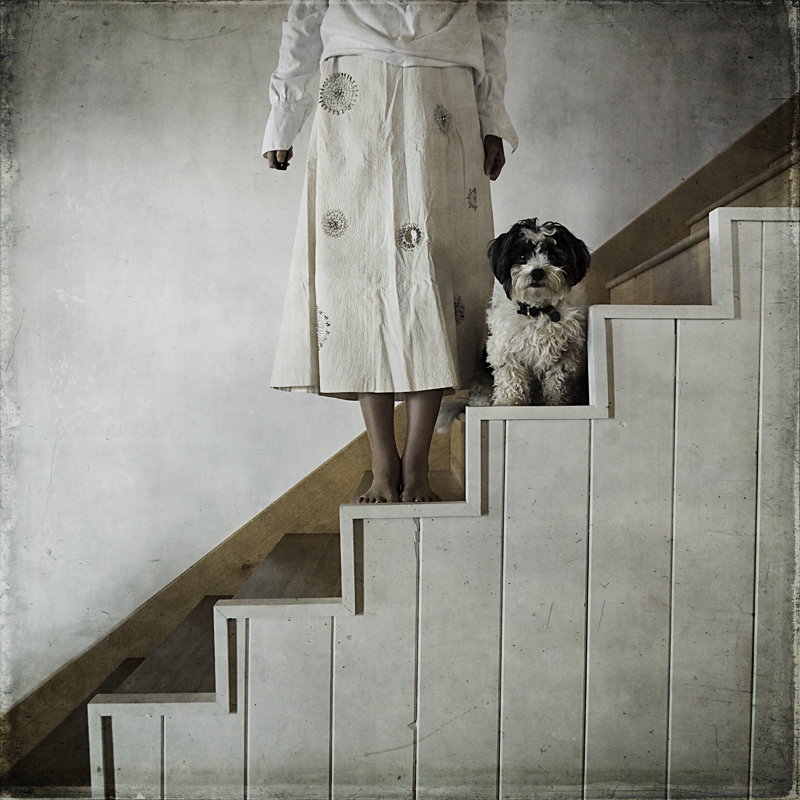
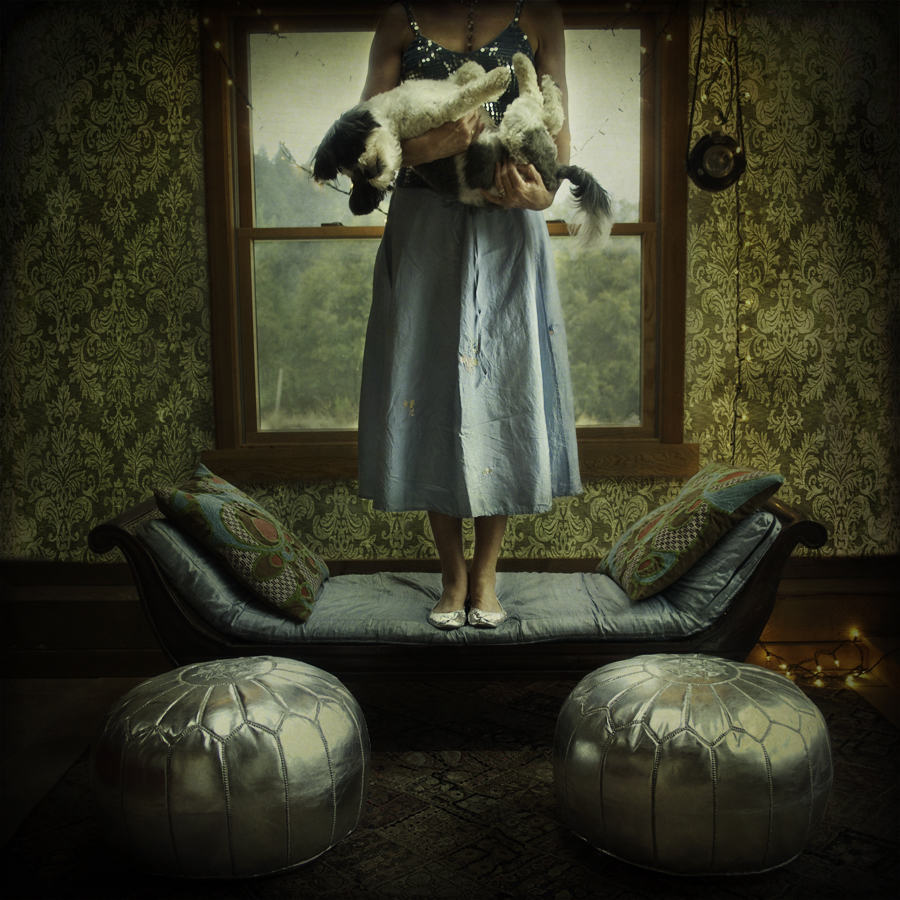
Recently, I had the opportunity and pleasure of interviewing Heidi Lender, a Connecticut born photographer who currently resides in Uruguay.  Heidi was formally a fashion writer, editor, and photo stylist for various fashion magazines, while traveling to places such as New York, London, and Paris.  She then changed directions and studied yoga in India and became a yoga teacher and owner of a yoga studio in San Francisco.  However, in 2009, Heidi’s life changed forever when she purchased her first DSLR camera and began creating images like the ones from her project entitled, Once Upon.  A selection of Heidi Lender’s work is displayed below.  Please visit Heidi Lender’s website to view more of her wonderful work!


KATHERINE CARVER: What were your beginnings as a photographer and when did you realize it would become your chosen form of expression?

HEIDI LENDER: I bought my first dslr camera in 2009, while I was teaching yoga in a studio I owned in San Francisco.  Though I had taken photos regularly most of my life, this was the year it clicked.  Who knows why these things happen.  I joined Flickr, gave myself an intense photo education and I was hooked within no time, almost obsessed.  Suddenly, all the roads I had taken up to this point in my life made sense, and met in the making of images.


KATHERINE CARVER: Did you study art formally?

HEIDI LENDER: No, I majored in apparel and textile management in college, and went on to work in the publishing industry straight away – as an editor, features writer, and stylist.  No art background whatsoever.

 traceyfeithbench314


KATHERINE CARVER: How do you describe your style?

HEIDI LENDER: Stylized, personal, and balanced.


KATHERINE CARVER: Can you describe the time when you first realized that creating photographs was absolutely something that you had to do?

HEIDI LENDER: Within the Flickr community, I joined groups to help me learn.  One was called “Bench Monday,” which had a weekly assignment.  After half a year of submitting to this group, I was committed to my camera.  Making images daily became almost as important to me as my yoga practice.

traybench-web


KATHERINE CARVER: What was the impetus that inspired you to begin creating self-portraits, which include your dog, Bubba, in your work entitled, “Once Upon”?

HEIDI LENDER: See above: The “Bench Monday” group!


KATHERINE CARVER: Where do you show/exhibit your work?

HEIDI LENDER: I’m represented by three galleries in the U.S.: Richard Levy Gallery in Albuquerque, New Mexico, Guthrie Contemporary in New Orleans, and Wallspace Gallery in Santa Barbara.  From time to time, I’m also part of group shows.

 velvetbench85


KATHERINE CARVER: What does “being creative” mean to you?

HEIDI LENDER: Expressing myself in ways other than thinking and talking, which might be anything from how I choose my clothes, the way I decorate my house, make my bed, write a letter to writing essays, making images, drawing, and collaging, etc…


KATHERINE CARVER: What is the most challenging aspect of being a photographer?

HEIDI LENDER: Timing.  I wish I were more patient.  I think I’d make better work.

 ladderbench


KATHERINE CARVER: What inspires you to keep going and what keeps you motivated?  

HEIDI LENDER: As you mentioned above, once you realize that you HAVE to take pictures, it’s not hard to keep going.  Because you HAVE to.  Because it feeds you.  And if you don’t do it, you feel empty.  Hungy.  Of course, I have bad or down days, or long dry periods of not making any substantial work, but my iphone is just about attached to my hand, so I am always practicing and recording and honing my eye.


KATHERINE CARVER: What are the most rewarding and satisfying part about being an artist and creating art?

HEIDI LENDER: Freedom.  Freedom of expression.  And being inspired and hopefully inspiring back, effecting, touching, and motivating someone somewhere.

 bookbench02


KATHERINE CARVER: What kind of patterns, rituals, and routines do you have while making your art?

HEIDI LENDER: I make it a point to post to instagram every morning.  And I look at a lot of images all the time, on the internet and in books.  I’m a mad photo book junkie.


KATHERINE CARVER: What are you working on now?

HEIDI LENDER: A new idea is incubating, something that is evolving from my iphone work.  It is too early to discuss.

 whitebench012


KATHERINE CARVER: What artists inspire your work?

HEIDI LENDER: Irving Penn is my hero, and I’m all giggly girl for Wes Anderson.  I love vintage fashion photos – they probably inform a lot of how I interpret what I see…color, composition, and style.


KATHERINE CARVER: What advice do you have for aspiring artists?

HEIDI LENDER: Keep practicing.  And showing up.  Your work will evolve and grow even if you can’t see it happening.  I promise!!

bluebenchFINAL1


KATHERINE CARVER: How can people view and purchase your art works?

HEIDI LENDER: My projects are on my site: heidilender.com.  The about page lists the galleries that sell my work.  And my instagram photos (@heidilender) are all for sale through me.


Please note that all of the images contained in this blog post are courtesy of Heidi Lender.

You can read additional interviews here.

Interview with Emmie Brown, Artist

Interview with Emmie Brown, Artist

Screen Shot 2014-10-04 at 5.45.05 PM


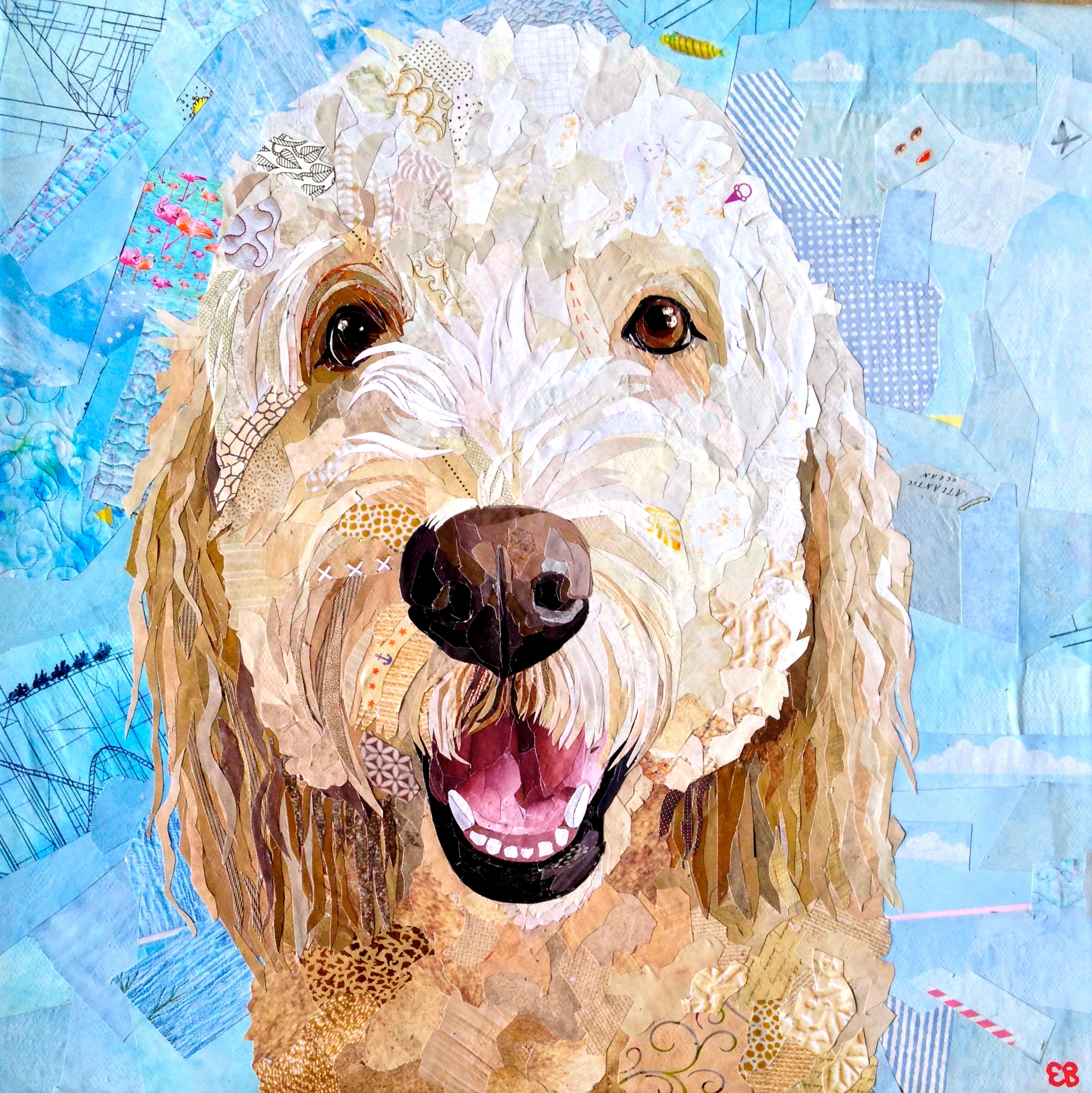
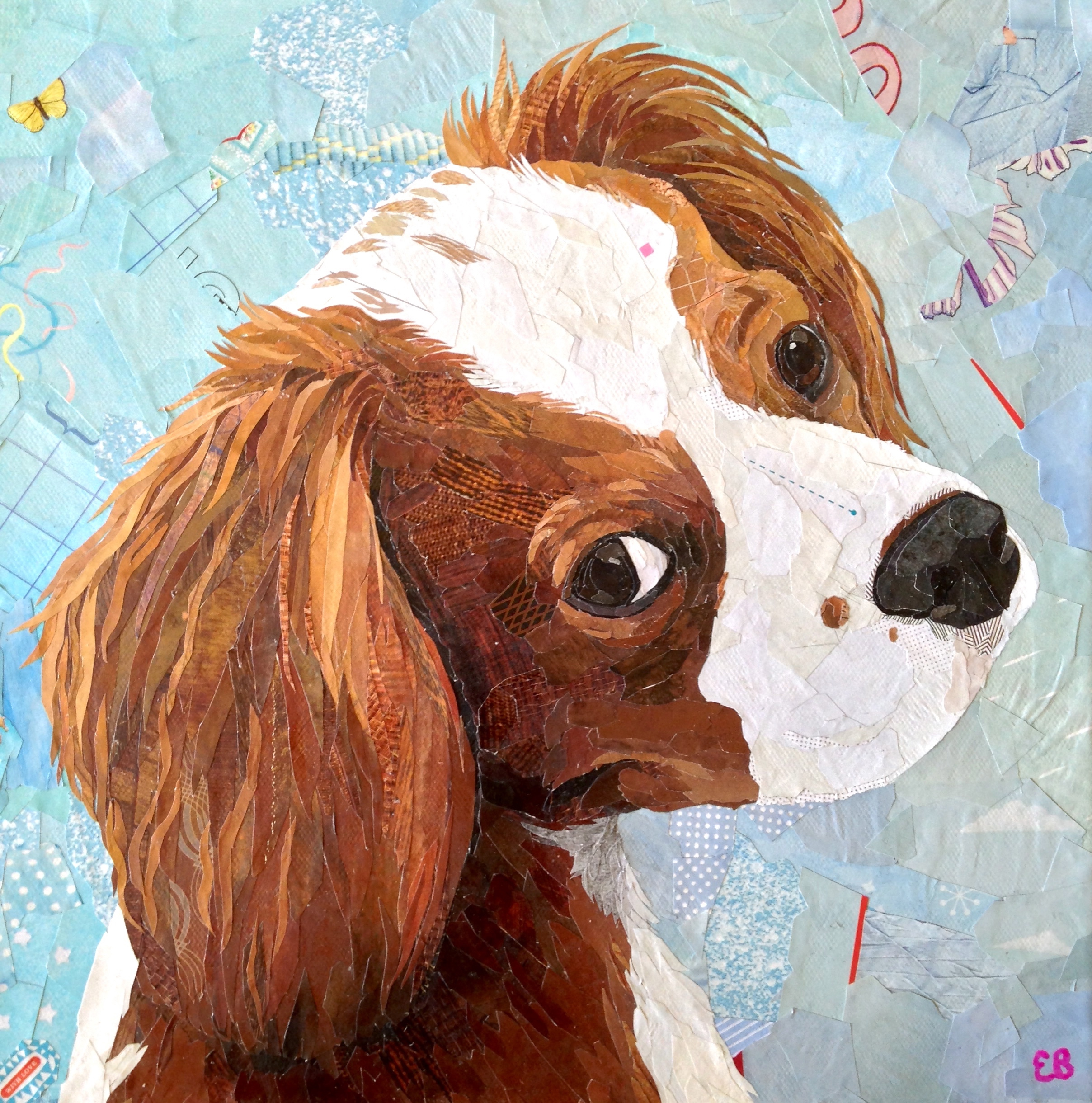
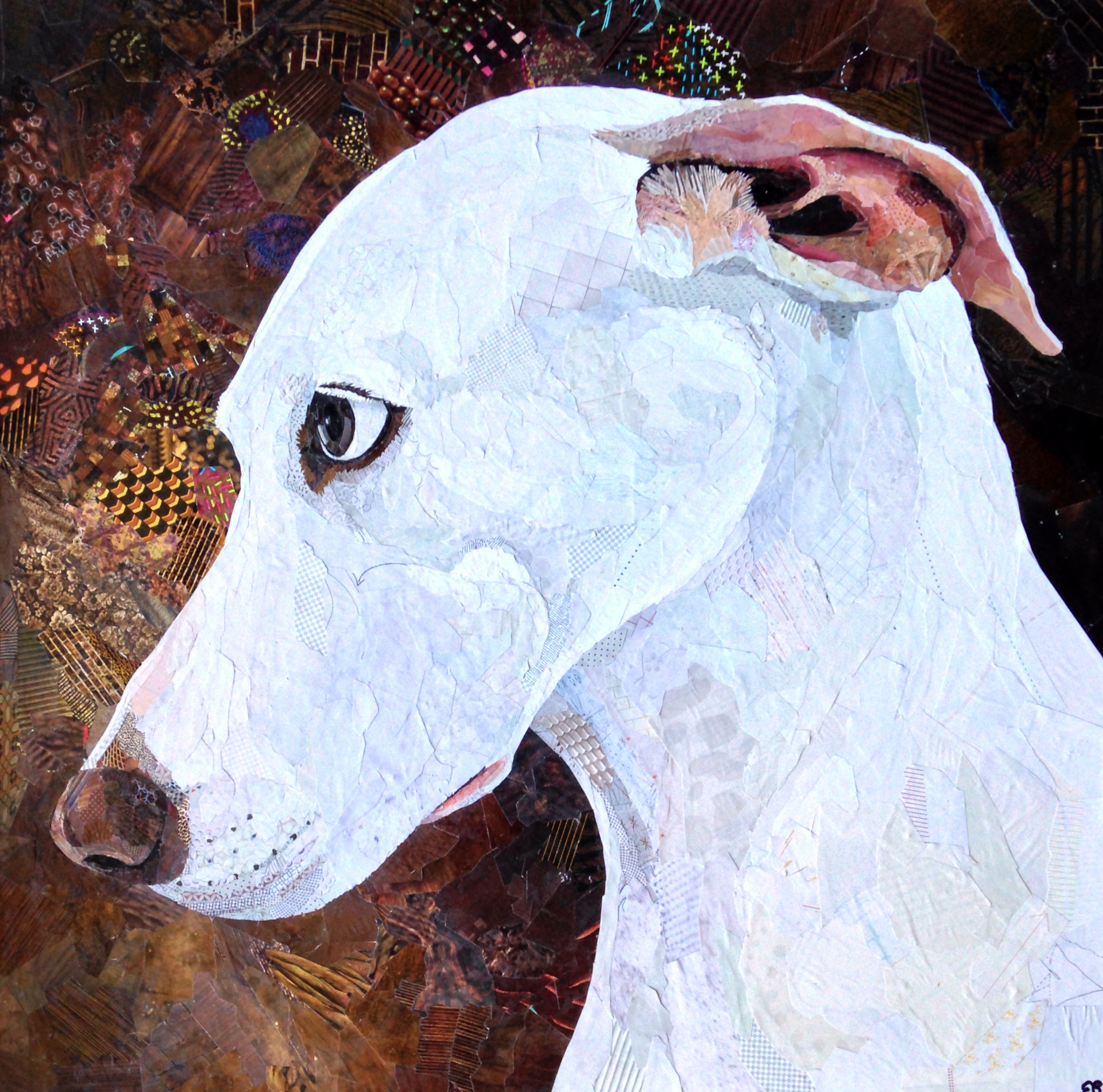
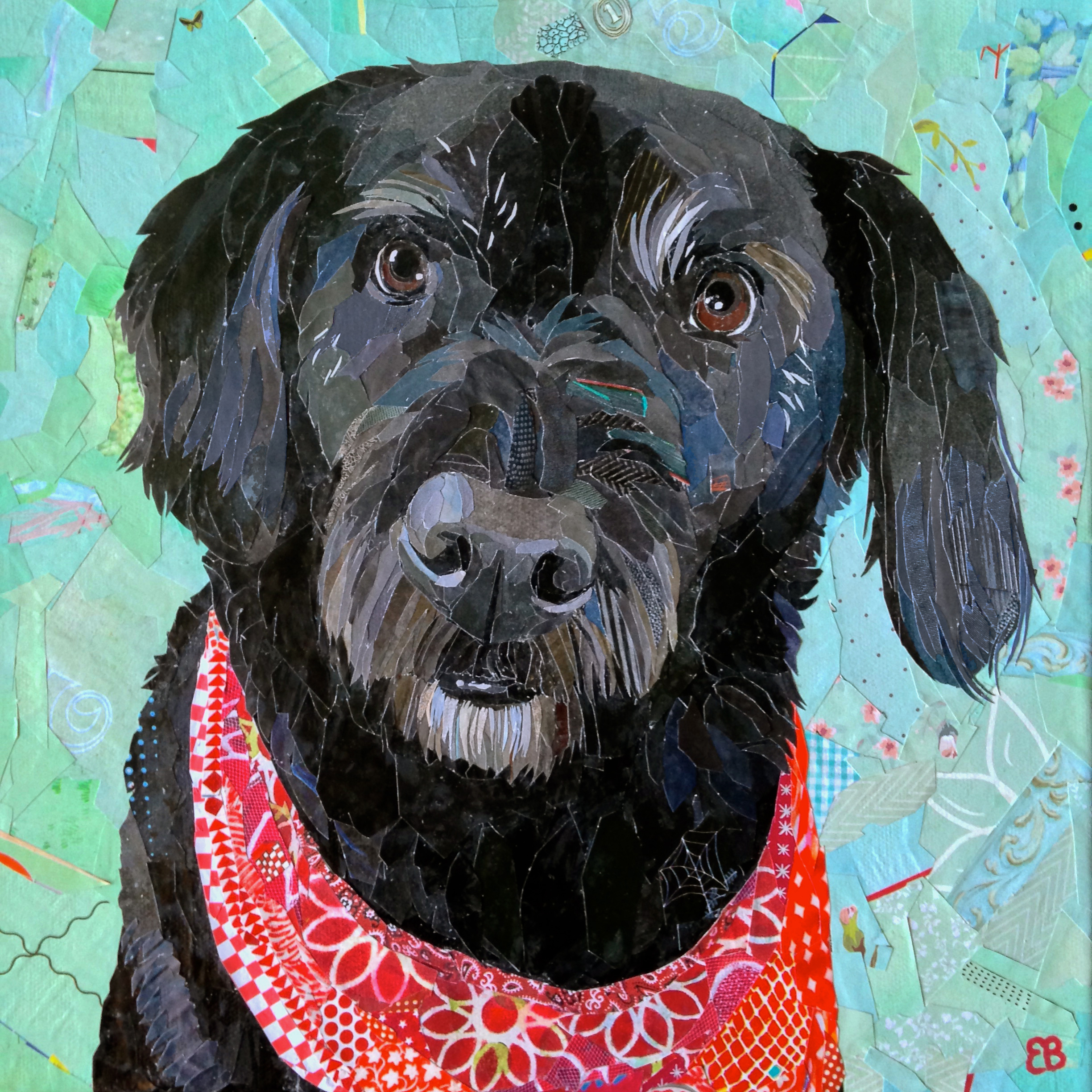
Recently, I had the opportunity and pleasure of interviewing Emmie Brown, an artist residing in Florida and the owner of Pet Pieces.   Emmie makes portraits of animals using magazine clippings.  “Each portrait begins with a stack of magazines and a photo of my ‘subject.’  During my tedious clipping process I not only search for the perfect tones and colors, but I also love to find random little images and words that make each piece uniquely its own.  I then arrange and glue the pieces down from eyelashes to ears until I am satisfied that I have captured the subject’s likeness and personality.”  I love Emmie’s work!  A selection of Emmie Brown’s work is displayed below.  Please visit Emmie Brown’s website to view more of her wonderful work!


KATHERINE CARVER: What were your beginnings as an artist, and when did you realize it would become your chosen form of expression?

EMMIE BROWN: I was always drawn to making art from the time I was a child.  I recently found an old children’s book in my parents’ attic.  In this book, each page was blank, with an area to draw the responses to the questions appearing at the top of each page.  On the “What do you want to be when you grow up?” page, the five-year-old version of myself had drawn a little figure holding a paintbrush and standing next to an easel.  So I guess you could say I knew from a young age that I wanted to be an artist.


KATHERINE CARVER: Did you study art formally?

EMMIE BROWN: Yes, I studied graphic design at Flagler College located in St. Augustine, Florida.  Up until my senior year of college, my plan was to be a graphic designer.  I enjoyed graphic design very much; however, it wasn’t my true passion.  I really only chose graphic design over fine art because I thought I could earn more money as a graphic designer.  However, my family really encouraged me follow my real dream, which is what I’m doing now.  I will say that the graphic design degree does pay off – it is quite helpful to know how to create your own website and branding.

LucasC

Lucas — magazine collage on canvas, 12 x 12


KATHERINE CARVER: How do you describe your style?

EMMIE BROWN: I always strive towards realism, but my medium forces me to keep a really whimsical quality to my art.  My style has changed a lot over the past few years.  I’ve gotten away from the looseness and randomness of my earlier pieces, and now my pieces almost look like paintings.  Most people don’t realize they’re collages until they look closely.  I’m not sure which style I prefer, and I think a balance of the two extremes would be ideal, so I will be working to achieve this balance in the future.


KATHERINE CARVER: Can you describe the time when you first realized that creating art was absolutely something that you had to do?

EMMIE BROWN: I don’t know if there was an exact moment for me, but I do know that I am quite shy.  From a psychological point of view, I assume that I need to create art as a form of escape.  I guess it’s a way for me to get my personality out on paper.  I actually did not realize this until now!

Lady

Lady — magazine collage on canvas, 12 x 12


KATHERINE CARVER: What was the impetus that inspired you to begin making collages of dogs comprising tiny clippings/pieces of magazines?

EMMIE BROWN: I got the idea when I was about ten-years-old.  I have no idea what the inspiration was.  My first “collage” piece was of Santa Claus.  Our housekeeper, Jean, thought it was fantastic and had it framed.  (Jean was always a big supporter of my art, including the finger nail polish designs I painted on the wall.)  My mom still loves the Santa Claus that I made years ago, and it still hangs in my parents’ den year round.  My next collage was of my first pet, a longhaired dachshund, named Pepper.  A family friend saw the piece and wanted one created of his own dog.  Before I knew it, the commissions were pouring in!


KATHERINE CARVER: How have your own dogs influenced your artwork? 

EMMIE BROWN: I have a deep understanding of how much people love their dogs because of how much I love my own dogs.  When someone gives me a photograph of their dog, I have a responsibility to capture that dog’s spirit just as I would want my own dogs’ spirits to be captured.  I know that this dog is somebody’s best friend.  I want the portrait to bring about those feelings of love in the human companion, so I work extra diligently to ensure that each dog is vividly portrayed.

JessieJake

 Jessie and Jake — magazine collage on canvas, 11 x 14


KATHERINE CARVER: What does “being creative” mean to you?

EMMIE BROWN: Being creative is finding unexpected solutions.  Many people are artistically talented, but what makes creativity is someone’s ability to create things in a different way.


KATHERINE CARVER: What is the most challenging aspect of being an artist?

EMMIE BROWN: I hate putting myself out there.  Selling myself and my work is not my strong suit!

Hali

Hali — magazine collage on canvas, 18 x 18


KATHERINE CARVER: What inspires you to keep going with your work and what keeps you motivated?  

EMMIE BROWN: Though I enjoy my work, sometimes I want to walk away from it and tackle another project or just have a lazy day.  But the feeling of satisfaction and accomplishment I obtain when I finish a piece is better than any day spent lounging by the pool.  I have to remind myself of this sometimes.


KATHERINE CARVER: What are the most rewarding and satisfying parts about being an artist and creating art?

EMMIE BROWN: I love when people are so genuinely touched by my portraits.  I’ve had many clients cry tears of joy when they first viewed the completed piece showcasing their best friend!  To know that people have such a sincere love for their dogs makes me so happy.  There are many of animals who aren’t lucky enough to live in a loving home and be spoiled by their humans like they deserve.

RileyR

Riley — magazine collage on canvas, 10 x 10


KATHERINE CARVER: What kind of patterns, rituals, and routines do you have while making your art?

EMMIE BROWN: Coffee, television, music, more coffee, and more television!  I always have the television on while I work in the morning.  Kathie Lee and Hoda are my morning staples, followed by The Price Is Right.  I’m like an old lady.  Then I’ll listen to music until Ellen comes on at four o’clock!


KATHERINE CARVER: What artists inspire your work?

EMMIE BROWN: I have always been amazed by Chuck Close.  For some reason I am drawn to portraiture that is comprised of small, interesting units that make sense viewed from a distance.

BellaC

Bella — magazine collage on canvas, 12 x 12


KATHERINE CARVER: What advice do you have for aspiring artists?

EMMIE BROWN: That is tough to answer because I am an aspiring artist myself!  I think it’s helpful to have a niche.  Dog art in itself is a niche, but I take it a step further by employing an unusual medium.  So I think you should first figure out what you’re good at; what your best or most unique style is; and what subject matter you most enjoy.  I’ve found that whatever work you’re most passionate about will become your biggest success.


KATHERINE CARVER: How can people view your work?

EMMIE BROWN: I am always posting new pieces on my Facebook page (facebook.com/petpieces) as well as my website, www.pet-pieces.com, and Instagram! (petpieces).

UgaIII

Uga III — magazine collage on canvas, 12 x 16


Please note that all of the images contained in this blog post are courtesy of Emmie Brown.

You can read additional interviews here.
Interview with Sam Edmonds, Photographer

Interview with Sam Edmonds, Photographer

_N0B1725R


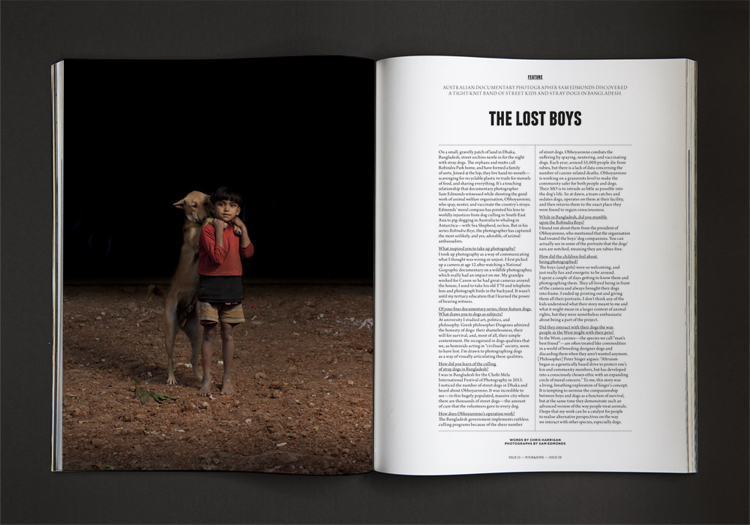
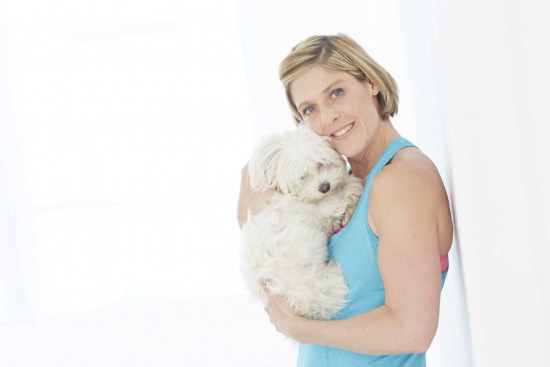
Recently, I had the great pleasure of interviewing Sam Edmonds, a social documentary and conservation photographer from Sydney, Australia.  Edmonds’ work has been exhibited internationally.  I truly enjoy Edmonds’ work, and I am sure that you will too!

(Please note: Due to the representation of Edmonds’ work entitled, Robindra Boys, discussed below, this body of work is not included in this interview.  To view this body of work, please visit here.)


KATHERINE CARVER: What were your beginnings as a photographer and when did you realize it would become your chosen form of expression?

SAM EDMONDS: I became interested in photography when I was in high school.  My parents bought me a DSLR for Christmas one year and I started photographing surfing on Sydney’s Northern Beaches but it wasn’t until I left school that I really considered taking photography seriously and begun to understand the potential of the medium as a form of communication.  I have previously focused on drawing and painting but I became drawn to photography partly because people see photographs as a record – or even a truth – which is really not the case but I thought this was so powerful and something that I wanted to explore.


KATHERINE CARVER: Did you study art formally?

SAM EDMONDS: At a tertiary level, I initially studied design but then switched to art and got a degree in photography from the Queensland College of Art in Brisbane.  I studied the mandatory subjects like art history and semiotics but I was much more interested in taking electives to do with politics and ethics which was really the beginning of my journalistic/documentary focus.


KATHERINE CARVER: How do you describe your style?

SAM EDMONDS: People often say my pictures are quite confronting and I think in a lot of cases this is true.  The fact is that what concerns me personally are issues relating to exploitation or injustice; and most of the time, I choose to communicate these in quite a succinct and perhaps challenging manner.


KATHERINE CARVER: Can you describe the time when you first realized that creating photographs was absolutely something that you had to do?

SAM EDMONDS: I think I realized how important photography was to me when I realized the importance of it as a way of bearing witness.  I grew up near the ocean which gave me a great connection to it and to the species we share it with.  The documentary, The Cove, was a big influence on me.  For me, this film really illustrated the importance of bearing witness to such atrocities and how powerful the camera can be to making people aware of an issue.


KATHERINE CARVER: What was the impetus that inspired you to begin photographing dogs?

SAM EDMONDS: I think the focus that my work so far has had on dogs is something that has come about almost by accident but probably very subconsciously.  I think most people, if not everyone, have a connection to canine species.  They have been companions to our species ever since wolves began approaching our camp fires and throughout art and literature ever since they have often played a role.  From Diogenes to Jack London, dogs have been both a source of inspiration and a measure by which we mark our own “civilization,” and I think that is something that is still being considered in art today.  Diogenes noted the sincerity and the truth that lay behind the lives of dogs.  I think the way we treat them, use them, live with them, and connect with them says a lot about us.


KATHERINE CARVER: Where did the idea emanate for your series entitled, “Robindra Boys”?

SAM EDMONDS: Robindra Boys came about when I was photographing with an NGO in Bangladesh called Obhoyaronno.  This organization is doing fantastic things for dogs on the streets of Dhaka and it was their president that told me the story about this group of kids and dogs living in a park as one big family.  As soon as I found out about this, I went to the park and met the whole bunch.  To me, it just seemed like such a unique story and something really worth telling people about.


KATHERINE CARVER: Where do you show/exhibit your work?

SAM EDMONDS: Most of my work is featured either in online publications or in magazines because this allows me to reach the largest audience possible.  However, I have exhibited in South-East Asia, Australia, and the United States.


KATHERINE CARVER: What does “being creative” mean to you?

SAM EDMONDS: Being creative, to me, means seeing something that isn’t obvious and drawing attention to it – whether that is an idea, a technique, a function, or a thought.


KATHERINE CARVER: What is the most challenging aspect of being a photographer?

SAM EDMONDS: I think the most challenging aspect of photographing will always change dependent upon what “kind” of photographer you are.  For me and my style of shooting, the most challenging aspect is usually discerning the most effective way of maintaining a politic within an issue whilst keeping an essay aesthetically pleasing enough that people are drawn to looking at it.


KATHERINE CARVER: What inspires you to keep going and what keeps you motivated?  

SAM EDMONDS: It is really inspiring to see how people’s attitudes towards the environment and other species are beginning to improve lately but there are still so many injustices happening on a daily basis.  We are made more aware of these now by the access to and ease of use of communication but sometimes it takes a little extra persuasion to take action on an issue.  And I think that good documentary work can help to do this.


KATHERINE CARVER: What are the most rewarding and satisfying part about being an artist and creating art?

SAM EDMONDS: For me it is seeing people genuinely reacting to or concerned by work I have produced.  Robindra Boys has received a better response than I could have ever imagined so every time I receive an email or phone call from someone that has been affected by those portraits it is very rewarding.


KATHERINE CARVER: What are you working on now?

SAM EDMONDS: Recently I have been working with conservation group Sea Shepherd in both Antarctic and the Faroe Islands so I have been photographing there and helping to document their struggles against illegal whaling.


KATHERINE CARVER: What artists inspire your work?

SAM EDMONDS: Photographically I’m really inspired by Aaron Huey and Danny Wilcox Frazier.


KATHERINE CARVER: What advice do you have for aspiring artists?

SAM EDMONDS: I think when you are starting out it is really important to focus on issues or ideas that are important to you.  It is very easy to become mixed up in producing work that others would like to see or that you think will be successful but your best work will always come from a genuine vested interest.


KATHERINE CARVER: How can people view and purchase your art works?

SAM EDMONDS: At www.samedmonds.com there is a brief synopsis of my work as well as a print order form.

The above image is courtesy of Sam Edmonds.

You can read additional interviews here.
Interview with Marta Roca, Editor, Four&Sons

Interview with Marta Roca, Editor, Four&Sons

Four&Sons_MR_Portrait_01_BW


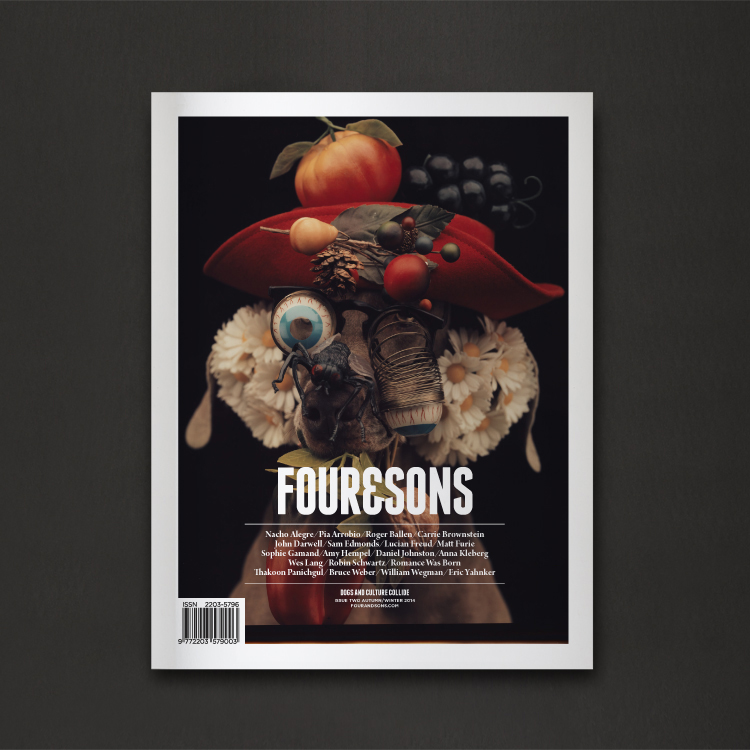
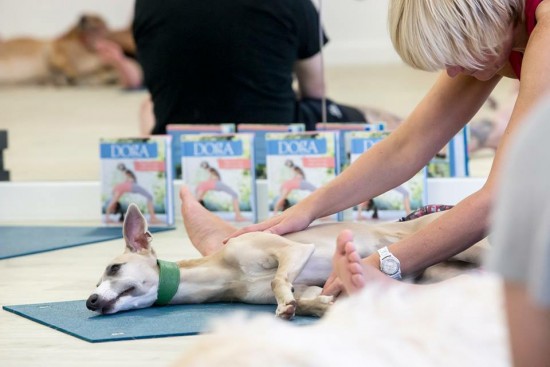
Recently, I had the great pleasure of interviewing Marta Roca, founder and Editor of Four&Sons, and online and print publication.  Marta possesses a graphic design background and a passion for dogs.  Four&Sons is based in Australia and this print and online publication documents the relationship of man and his best friend.  Four&Sons covers art, design, fashion, music, and lifestyle.  Four&Sons brings together an eclectic mix of inspiring ‘dog-centric’ content to dog-lovers passionate about culture and creativity.


KATHERINE CARVER: What were your beginnings as a graphic designer and when did you realize it would become your chosen path and form of expression? 

MARTA ROCA: I was lucky to meet a very inspiring teacher during high school.  Although she was a painter, she was our ‘Graphic Design’ lecturer and she was great at bringing the best out of us, while honing our different skills.  I have no ‘artistic’ talent (I can’t even draw!); however, I love the creative side of design, the fusion between form and function, and the beauty of good thinking.  Once I started University, I realized editorial design was my real passion.  Some people start designing album covers because of their love of music.  I love reading, and I love books and magazines for their culture value and also as objects.  That was the start.  I cut my teeth working in great studios in London and Melbourne before setting up my own studio.  It’s a tough gig to get projects in editorial, so ended up founding Four Publishing to work on self-generated ‘love’ projects.


Four&Sons_IssueTwo_Cover_Square


KATHERINE CARVER: How did your fascination with dogs come about?

MARTA ROCA: A happy accident!  Christina Teresinski from accessories brand Best in Park and I have been meaning to collaborate on a project combining all our passions: dogs, art, culture, and magazines.  We started to wonder how we could bring it all together from a ‘dog-centric point of view.’  We then started to dig deeper on the ‘creative’ relationship between humans and dogs.  The lightbulb moment came when we started to examine dogs as the ‘muse,’ as the inspiration. 


KATHERINE CARVER: What impetus inspired you to begin Four&Sons?     

MARTA ROCA: I got totally hooked on the somehow kooky, weird, and wonderful bond between humans and dogs — how it inspires people to create and how it breaks down barriers.  The deeper I went, the harder I fell in love with it.  We set out to discover more about the role of ‘dogs as muses,’ about the art and design behind it, and about the social/cultural aspects of it.  And what we found was too good not to share it! 


Four&Sons_IssueTwo_Spreads_01


KATHERINE CARVER: How has your own dog(s) influenced you?    

MARTA ROCA: Believe or not, I don’t have a dog of my own.  I live vicariously through Four&Sons, through the interviews, and the art.  I am a sort of ‘dog/culture’ voyeur.  Sometimes I feel very deprived, but most of the time I feel this can bring a different edge to our content.  A chocolate labrador is in the works though…


KATHERINE CARVER: What is your favorite breed (and type) of dog?    

MARTA ROCA: I have a soft spot for dalmatians.  I think it is the designer in me, for the black/white graphic factor.  For aesthetic reasons, a Weimaraner.  For fun, French bulldogs.  Labradors for how sweet and dopey they are…


Four&Sons_IssueTwo_Spreads_02


KATHERINE CARVER: How and when did you decide to move to a print version publication for Four&Sons, while maintaining an online readership?     

MARTA ROCA: In 2013, we published a newspaper.  It was a limited-edition ‘souvenir’ to celebrate our first year anniversary as online publication, and to say thank you to everyone who had supported us.  We had always intended to move to print, and the response was so positive, we felt we were on the right path.  People noticed us and understood better what we are trying to do — we featured beautiful work by artists inspired by their relationship with dogs, and our ‘dog as muse’ motto started to sink in.  It would have been a shame not to publish on paper regularly.  The content is really visual (almost tactile) — you just want to reach out and touch those mutts!  We feel our content deserved to be on a medium that becomes an object, a gift, and a collector’s item. 


Four&Sons_IssueTwo_Spreads_03


KATHERINE CARVER: How did you bring your vision of a Four&Sons printed publication to fruition?   

MARTA ROCA: The first thing we realized is we needed a more ‘specialized’ team, so to speak.  We appointed our editor, Sam Gurrie. Sam is mad about dogs, loves art and culture, and it shows.  Together we fleshed out the content –which sections we wanted to cover, how to get the right mix of features, who we wanted to approach (writers, photographers, and artists), and we set up to chase it all.  It is very important to us that the content would appeal to someone who is not necessarily a ‘dog person;’ and it would still be interesting and culturally relevant.  We have been really lucky that people understands the magazine is still a labour of love and people have been really generous with their time, and also trusting us with their work. 

The biggest learning curve has been on the publishing/marketing/ business side — understanding how magazine distribution works (we have three different distribution houses covering different markets — Europe/UK, USA/Canada, and Australia/NZ.  We are still trying to crack Japan).  Additionally, we are learning to make decisions both from the heart and the head (well, still working on this one); how to position of the magazine (we are not a pet magazine!); which partners we want to associate with; and how to engage the support of dog-lovers around the world.  We are fortunate we have a readership which is really passionate about the subject matter.

The stockist list for the United States for Four&Sons is: Alder&CoB_SpaceBookmarc by Marc Jacobs; Casa Magazines; Hennessey + IngallsMcNally JacksonMoMA PS1Mulberry IconicPortland Trading Co; Print TextShinolaSkylight BooksSpace Ninety 8Spoonbill & Sugartown; and The Primary Essentials.


Four&Sons_IssueTwo_Spreads_04


KATHERINE CARVER: How often will you create print editions for Four&Sons? 

MARTA ROCA: Twice a year.

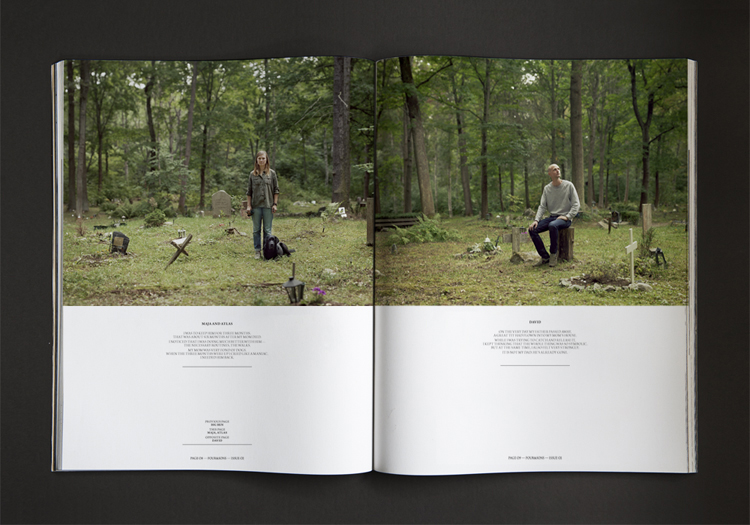
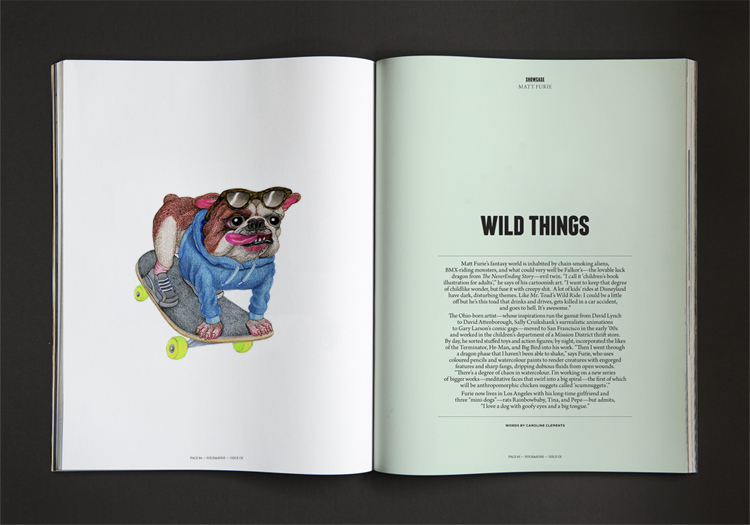
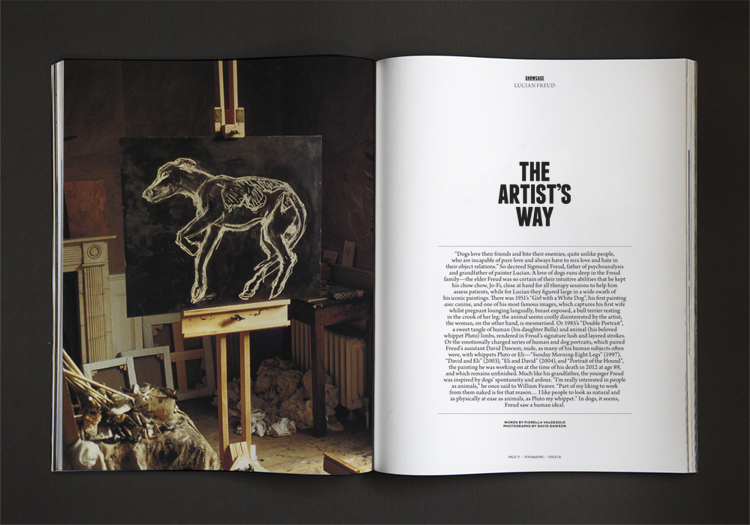
 Issue Two, available for purchase now, features: Nacho AlegrePia ArrobioAtelierAceRoger BallenCarrie BrownsteinJohn DarwellSam EdmondsLucian FreudMatt FurieSophie GamandAmy HempelDaniel JohnstonAnna KlebergThakoon PanichgulRobin SchwartzRomance Was BornWare of the DogBruce WeberWilliam Wegman; and Eric Yahnker.  

(The images contained in this interview features spreads from Issue Two, Four&Sons.)


KATHERINE CARVER: What is the most challenging aspect of being designer?    

MARTA ROCA: Editing yourself down!  Keeping things simple and fresh.  It’s tempting to over-elaborate but restrain has always worked best for me.


Four&Sons_IssueTwo_Spreads_09


KATHERINE CARVER: What does “being creative” mean to you? 

MARTA ROCA: It’s a bit like daydreaming meanwhile you are at work!


KATHERINE CARVER: What inspires you to keep going and what keeps you motivated?  

MARTA ROCA: To the risk of sounding like the biggest cliché, I just love what I do.  I get to work on something I believe in, which is fun and challenging.  We get to meet very interesting people, have great conversations, and chat about what they love.


Four&Sons_IssueTwo_Spreads_10


KATHERINE CARVER: What are the most rewarding and satisfying parts about creating your work?

MARTA ROCA: Learning is a pretty fulfilling part of what I do, which feeds my curiosity; being involved in many aspects of the magazine; and feeling personally invested.  From an ‘ego-boasting’ point of view, it’s great when people tells us that they enjoy what we do.  That keeps us going too.


KATHERINE CARVER: What artists inspire you?     

MARTA ROCA: Artists who don’t take themselves too seriously!  Being quite a dry person, I love seeing humour, even recklessness, in art.


Four&Sons_IssueTwo_Spreads_15


KATHERINE CARVER: What advice do you have for someone who wants to start a print publication?   

MARTA ROCA: Do it!  Enjoy the process, not just the end goal.  Don’t be afraid to ask questions and make some mistakes.  Take into account all facets from the start — from the content to the design and print and distribution and the business.  Be patient and respectful and you will be amazed how generous people can be trying to help you.


KATHERINE CARVER: What is next for Four&Sons?    

MARTA ROCA: Hopefully we can become a quarterly publication in the near future.  We are in for the long run, so longevity is key for us.  We are also starting to focus on other ‘off-shoot’ projects: events; exhibitions; collaborations; product; other publications; and a pop-up store perhaps…?   We would love to become the ‘one-stop-shop’ for any dog-lover passionate about culture and creativity.


KATHERINE CARVER: How can people learn more about you and Four&Sons?

MARTA ROCA: Via the magazine and the website — there you will obtain a glimpse of what makes us tick.


All images contained in this interview are courtesy of Marta Roca, Four & Sons.

You can read additional interviews here.

Interview with Robin Schwartz, Photographer

Interview with Robin Schwartz, Photographer

RubySchwartzW


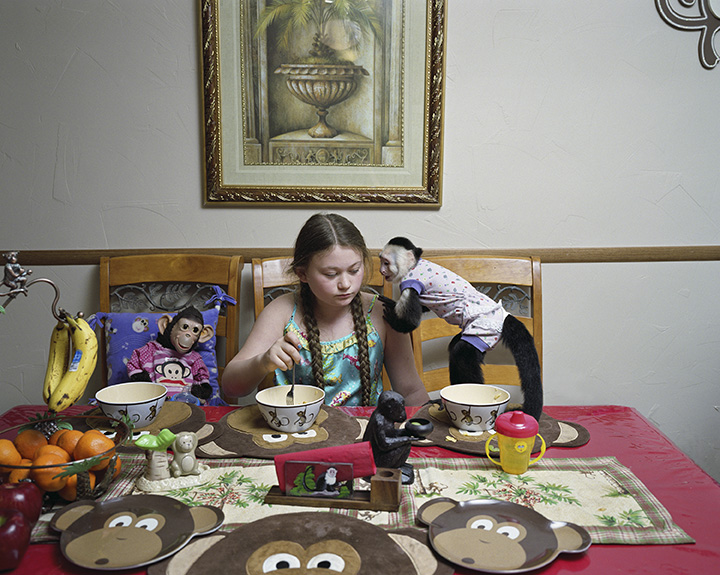
Robin Schwartz, Ruby, 2011 © Robin Schwartz/Aperture

(Ruby Schwartz for Robin Schwartz)


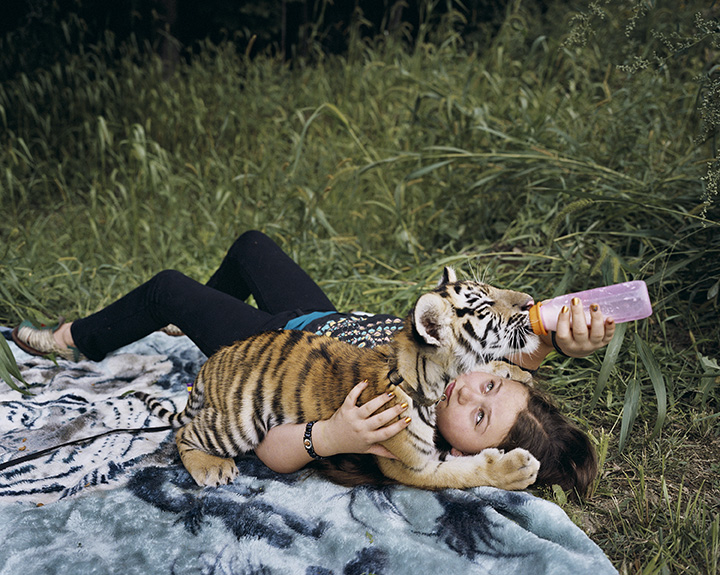
Recently, I had the great pleasure of interviewing Robin Schwartz, a photographer and animal lover who resides in New Jersey with her husband, daughter, and animals.  Much of Schwartz’s work examines and explores interspecies relationships.  Schwartz’s work has been exhibited internationally; her work is in museum collections at The Metropolitan Museum of ArtThe Museum of Modern ArtThe Smithsonian American Art Museum; and The San Francisco Museum of Modern Art .  Schwartz has also published several books including her most recent book, Amelia and the Animals, published by Aperture.  I truly enjoy Schwartz’s work, and I am sure that you will too!


KATHERINE CARVER: What were your beginnings as a photographer and when did you realize it would become your chosen form of expression?

ROBIN SCHWARTZ: I loved photographing with an instamatic camera.  At ten-years-old, I used this camera to photograph my cat.  I was a latch key kid and was home by myself a lot.  I only was able to major in art after my father died when I was 19-years-old.  It would not have been acceptable in my economic situation to be an art major in college.  A graduate teacher at the Pratt Institute, Arthur Freed, made it possible for me to not only get into the program, but helped me obtain a graduate assistantship and a Ford Foundation Grant.  I don’t know what would have become of me if not for this teacher.  I was on my own and quite lost.


KATHERINE CARVER: Did you study art formally?

ROBIN SCHWARTZ: Yes.  As an undergraduate, I studied at William Paterson College, which is now a university, William Paterson University, where I am an Associate Professor in Photography.  I earned an MFA in Photography at the Pratt Institute, New York.


KATHERINE CARVER: How do you describe your style?

ROBIN SCHWARTZ: I actually don’t use the word “style.”  I am a portrait photographer; if you categorized me it would be fine art and editorial photographer, specializing in portraiture, animals, and environmental portraiture.


AAA_01_web

 Robin Schwartz, Ricky and Amelia, 2002, from Amelia and the Animals (Aperture 2014)  © Robin Schwartz


KATHERINE CARVER: Can you describe the time when you first realized that creating photographs was absolutely something that you had to do?

ROBIN SCHWARTZ: I photograph because I want to remember.  I have been around a lot of death, early on in life.


KATHERINE CARVER: What was the impetus that inspired you to begin photographing dogs and animals?

ROBIN SCHWARTZ: I love and am very comfortable with them [animals].  They comfort me, and as I mentioned before, I was home alone a lot as a kid.  When I was ten-years-old , the  deal was that I could have a cat that lived in the house to keep me company, (as opposed to my cats who lived outside and were not allowed in the house, those cats got run over, killed in construction), and then my mother could go to work full time, including the summers.  Before that cat, which went with me to college and graduate school, he died when I was 27, we adopted a beautiful Shetland Sheepdog from the pound/shelter in Newark, New Jersey, after we saw this beautiful Shetland Sheepdog being given up as we came into the pound/shelter.  The pound asked the people who were giving him up whether he was up to date on shots, they said he was – and he wasn’t.  Three weeks later, we had to put him down because of the distemper he caught while at the shelter.  Those seizures where quite horrible, and the vet said he was never vaccinated.  It was a crime that haunts me today. 


KATHERINE CARVER: How have your own dogs/animals influenced your artwork?

ROBIN SCHWARTZ: Absolutely, my animals at home are in much of my work; to remember them; and keep them young.


AAA_03_web

  Robin Schwartz, Shiba Up, 2006, from Amelia and the Animals (Aperture 2014)  © Robin Schwartz


KATHERINE CARVER: Where did the idea come from for your work and book entitled, Amelia & the Animals?

ROBIN SCHWARTZ: The title came from my editor at Aperture, Lesley Martin.  I guess it is an apt description.


KATHERINE CARVER: What has it been like collaborating with your daughter, Amelia, on photo projects with animals?

ROBIN SCHWARTZ: The project and our collaboration has grown as Amelia matures.  Our balance has changed as in any growing relationship.  Amelia is my partner.


KATHERINE CARVER: Can you describe your successful Kickstarter process for your new book entitled, Amelia & the Animals, published by Aperture?

ROBIN SCHWARTZ: Aperture did everything relating to the Kickstarter process – Aperture is a wonderfully supportive publisher, the fact that they are historic and not-for-profit makes them extraordinary.  I am so honored to be published by Aperture and have had Lesley Martin and the team, Kellie McLaughlin, Barbara Escobar, and Jason Bailey supporting and rooting for me.  The Kickstarter and the Amelia and the Animals book are what they are because of Aperture.  Aperture is like family.  (You can view the Kickstarter video here).


AAA_04_web

  Robin Schwartz, Love Ming, 2009, from Amelia and the Animals (Aperture 2014)  © Robin Schwartz


KATHERINE CARVER: Where do you show/exhibit your work?

ROBIN SCHWARTZ: Right now Aperture is representing me, specifically Kellie McLaughlin, she is wonderfully supportive.  I had left a New York City gallery this past August and asked if Aperture could handle my work.


KATHERINE CARVER: What does “being creative” mean to you?

ROBIN SCHWARTZ: Good question, I think I will ask that in the class I teach.  Creative means, that after you have a handle on skill, on craftsmanship, and can work and think beyond the basics — that to be creative you figure out what is unique to you or simply, what makes you happy, what is authentic for you.  I think if you find your passion, art gives you the reason to immerse yourself in what you love.

 AAA_06_web

Robin Schwartz, Paris Greyhoud Hair, Belle de Nuit, and Pioute Van Guartd Mattenet, 2010, from Amelia and the Animals (Aperture 2014)  © Robin Schwartz


KATHERINE CARVER: What is the most challenging aspect of being a photographer?

ROBIN SCHWARTZ: The most challenging aspect of being a photographer is having confidence on several levels, personal, skill, social skills, managing your time, and a deal breaker can be the finances of it all.  I am finally a full time, tenured professor.  Only when I achieved full time status did I qualifying for health insurance at work.  This greatly helped me financially, supporting my personal work.


KATHERINE CARVER: What inspires you to keep going and what keeps you motivated?  

ROBIN SCHWARTZ: Another good question.  I teach for a living, and I aim to be a good, generous, kind teacher, but I want to be remembered as a photographer.  A curator who was a mentor to me early on, who has since passed away, said to me once, “You came a long way for what you do.”  At the time she meant the Primate Portraits, having the Like Us: Primate Portraits book published by Norton and my work in the museums like the Met and the MOMA both located in New York City.  So at 19-years-old I was on my own, and not far from homeless, and it was a scary time.  During and after graduate school, I hung out with and photographed stray dog packs; I now see that I identified with being a stray myself.  So my motivation in life is: my daughter as she is my family; my animals as I need them emotionally; and photography as that is a huge part of my purpose, very stimulating and exciting, and my identity.  Being a photographer means I accomplished something.


AAA_07_web

Robin Schwartz, Baby Horned Owls, 2011, from Amelia and the Animals (Aperture 2014)  © Robin Schwartz


KATHERINE CARVER: What kind of patterns, rituals, and routines do you have while making your art?

ROBIN SCHWARTZ: I procrastinate enormously; I clean the house instead of editing my own work.  I like to edit on Adobe Bridge.  When I worked in the darkroom I had a television with a red filter…but I work all digitally now and the television is distracting.  I multi-task a great deal and I juggle responsibilities and work hard to met my many deadlines.


KATHERINE CARVER: What are you working on now?

ROBIN SCHWARTZ: Well, I just quickly wrote the answers for another interview before this one, but your questions are much deeper, interesting to answer – I am learning about interviewing these days by how differently each person approaches it.  I am working on how to work.  I am finishing a sabbatical proposal with supporting materials, updating my resume and website – editing comes last.  I am updating the keynote presentation I gave at SVA (School of Visual Arts, New York City on October 7, which you can view here.)  Now, I have to re-edit it for the talk in San Francisco at the Photo Alliance held on November 7.  Then, I go to Paris Photo with Aperture for an Amelia and the Animals book signing.  On December 1, I give my keynote for a presentation and exhibition at Aperture.  Finally, I am having prints made.  The list goes on and on.  I will resume shooting in December, when I travel back to Mexico to follow up on a new project.  I am also a full time professor in photography at William Paterson University where I am an Associate Professor in Photography and on those days, that is all I do — teach and commute. 


AAA_08_web

Robin Schwartz, Breakfast Talk with Rosie, 2011, from Amelia and the Animals (Aperture 2014)  © Robin Schwartz


KATHERINE CARVER: What artists inspire your work?

ROBIN SCHWARTZ: It changes, historically, Juliette Margaret Cameron, Eugene Atget, August SandersEugene Smith, and Sally Mann – well Sally Mann is contemporary and historic…There are so many photographers and many contemporary photographers in photojournalism, fine art, documentary that inspires me – it is impossible to mention them all.


KATHERINE CARVER: What advice do you have for aspiring artists?

ROBIN SCHWARTZ: Have a good work ethic; be able to take criticism; don’t be embarrassed as I was of what you love; practice social and writing skills; and, above all else, be persistent about working.


AAA_09_web

 Robin Schwartz, Lorenzo, 2011, from Amelia and the Animals (Aperture 2014)  © Robin Schwartz


KATHERINE CARVER: How can people view and purchase your art works and books?

ROBIN SCHWARTZ: www.RobinSchwartz.net (I am currently updating!) and Aperture.  Only the Amelia and the Animals is in print, the other three books are out of print: Like Us: Primate Portraits; Dog Watching; and Amelia’s World.


All images contained in this interview are courtesy of Robin Schwartz and Aperture.

You can read additional interviews here.
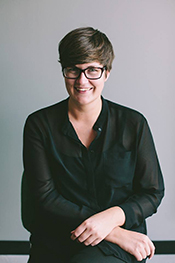
Interview with Martin Usborne, Photographer

Interview with Martin Usborne, Photographer

martin


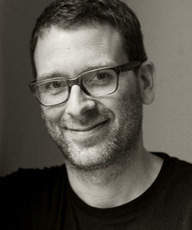
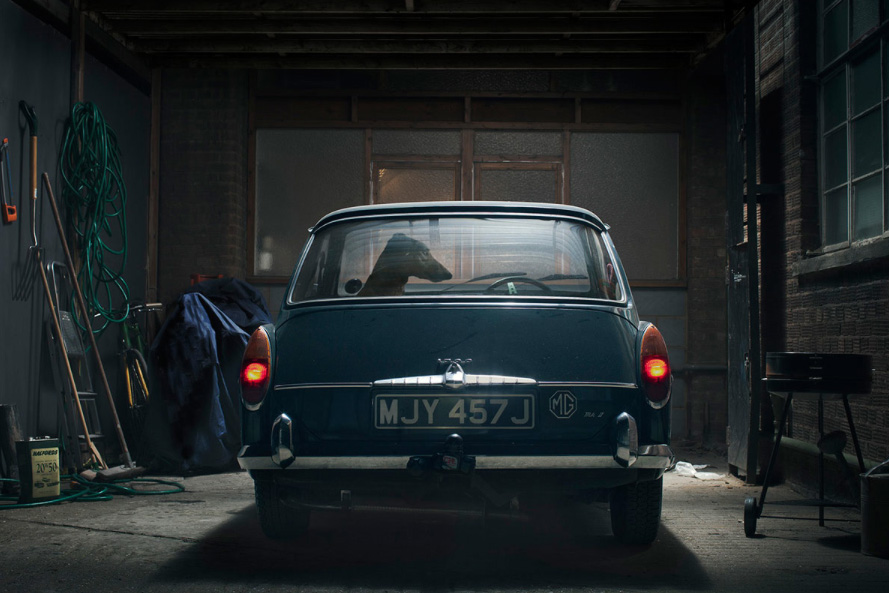
Recently, I had the great pleasure of interviewing Martin Usborne, a photographer and animal lover who resides in London with his wife and dogs.  One of Martin’s interests includes man’s relationship to animals.  Martin has been regularly featured in international magazines and his work has been seen in group and solo exhibitions around the world, along with publishing several books.  Last year I interviewed Martin about his important project, A Year to Help.  I truly enjoy Martin’s work, and I am sure that you will too!


KATHERINE CARVER: What were your beginnings as a photographer and when did you realize it would become your chosen form of expression?

MARTIN USBORNE: I started photographing professionally in my thirty’s but I had been taking photos for many years prior.  I was working in children’s television when I got made redundant and so I went traveling for six months.  I took a canon 10D and a laptop and loved taking pictures so much that I started out as a portrait photographer.  I think, however, it was seeing the work of Bill Brandt that persuaded me to go professional.

dogs in cars 8


KATHERINE CARVER: Did you study art formally?

MARTIN USBORNE: I went to Glasgow School of Art but studied 3D animation.  I was meant to get a job working on the first Ice Age movie but there were visa problems!  I ended up working in children’s television.


KATHERINE CARVER: How do you describe your style?

MARTIN USBORNE: Fairly psychologically intense but hopefully laced with humour every now and then.


KATHERINE CARVER: Can you describe the time when you first realized that creating photographs was absolutely something that you had to do?

MARTIN USBORNE: I think I realised in my late twenties I had to be creative.  I don’t think it has to be photographs.  If the camera didn’t exist, there would be other ways to find expression!

dogs in cars 4


KATHERINE CARVER: What was the impetus that inspired you to begin photographing dogs?

MARTIN USBORNE: I’ve loved dogs since I was a kid.  Adored them.  I have two now and always will have dogs.  I’m also interested in the way we treat animals so dogs were an obvious way in.


KATHERINE CARVER: How have your own dogs influenced your artwork?

MARTIN USBORNE: I made a book about my dog Moose (My Name is Moose), which was my first ever photo book.  But other than that these images are kind of too cute to feature in my work, which tends to be a bit more serious.

dogs in cars 6 

KATHERINE CARVER: Where did the idea come from for your work entitled, “Dogs in cars”?

MARTIN USBORNE: I was once left in a car at a young age.  I don’t know when or where or for how long, possibly at the age of four, perhaps outside a supermarket, probably for fifteen minutes only.  The details don’t matter.  The point is that I wondered if anyone would come back.  The fear I felt was strong: in a child’s mind it is possible to be alone forever.

Around the same age I began to feel a deep affinity with animals – in particular their plight at the hands of humans.  I saw a TV documentary that included footage of a dog being put in a plastic bag and being kicked.  What appalled me most was that the dog could not speak back.

I should say that I was a well-loved child and never abandoned and yet it is clear that both these experiences arose from the same place deep inside me: a fear of being alone and unheard.

When I started this project I knew the photos would be dark.  In a sense, I was attempting to go back inside my car, to re-experience what I couldn’t bear as a child.  What I didn’t expect was to see so many subtle reactions by the dogs: some sad, some expectant, some angry, some dejected. It was as if upon opening up a box of grey-coloured pencils I was surprised to see so many shades inside.

There is life in the darkest places inside us.


dogs in cars 1


KATHERINE CARVER: Where did the idea come from for your work entitled, “Nice to meet you”?

MARTIN USBORNE:  I remember meeting a stranger on a sunny day whilst I was suffering from depression.

‘Nice to meet you, how are you?’, said the stranger.

‘I’m fine’, I replied.

I wanted to howl.

What happens to those raw, painful parts of ourselves we hide away?  The anger, confusion, uncertainty, hope?  And what strategies do we use to hide these parts of ourselves?  Politeness, arrogance, speed, disinterest?

Each image in this series is a portrait of a dog photographed through a material or substance: a wet pane of glass, faint smoke, dense material, bleeding light.  Nearly all of the dogs are abandoned, untrained, often aggressive.  One is a wolf. (Every dog was carefully handled and protected in the process).  The images are titled with everyday phrases that so often hide subtexts.

As with the previous series, The Silence of Dogs in Cars, canines are used here to reflect that unspoken, instinctive side of our nature.  In my own experience it is dogs – along with some other animals – that have the ability to communicate certain feelings most directly even though they have no words.
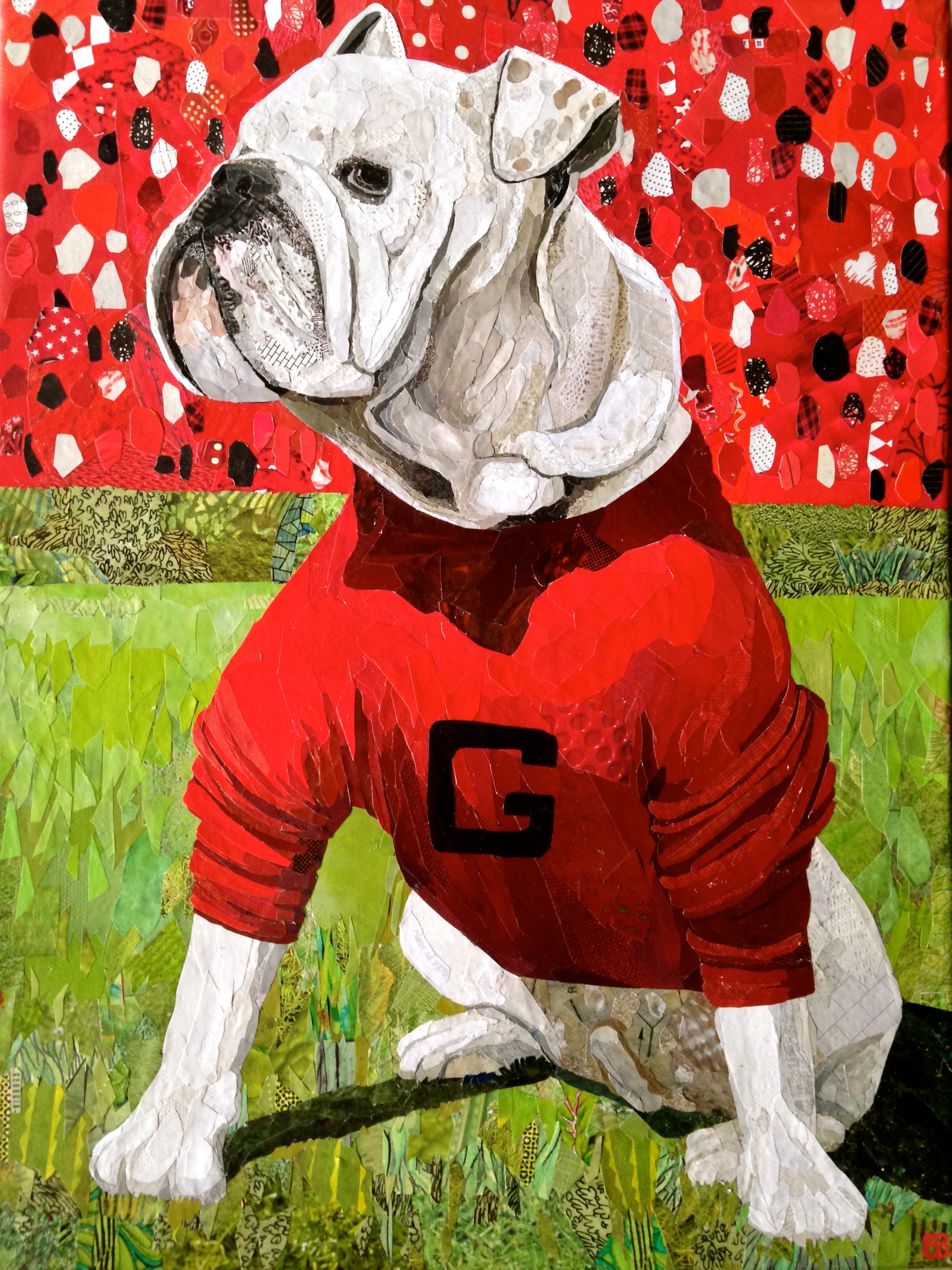
But the series is also about the voicelessness of animals, about their hidden pains and silent needs that to many people are not so apparent.


Nice to Meet you 1 

KATHERINE CARVER: Where do you show/exhibit your work?

MARTIN USBORNE: I’ve show in London, LA, NY, Sao Paolo, and Paris.  A lot of my work ends up in magazines too.


KATHERINE CARVER: What does “being creative” mean to you?

MARTIN USBORNE: It means expressing yourself in the most natural and elegant way possible.  Not always easy but rewarding.  It’s a bit like breathing very deeply.  You breathe in the world, taking in ideas, experience and inspiration, and then you breathe out those same ideas, experiences and inspiration but they are fused with something of your deeper core. You can only hope you don’t have smelly breath.

Nice to Meet You 3


KATHERINE CARVER: What is the most challenging aspect of being a photographer?

MARTIN USBORNE: Making the money while doing your own work.


KATHERINE CARVER: What inspires you to keep going and what keeps you motivated?  

MARTIN USBORNE: Seeing books and exhibitions of my work finished!


KATHERINE CARVER: What are the most rewarding and satisfying part about being an artist and creating art?

MARTIN USBORNE: Being true to yourself.


Nice to Meet you 2 

KATHERINE CARVER: What kind of patterns, rituals, and routines do you have while making your art?

MARTIN USBORNE: Actually just doing it.  If you wait for inspiration it doesn’t come.


KATHERINE CARVER: What are you working on now?

MARTIN USBORNE: A book about Spanish Hunting dogs…More to be announced soon.

dogs in cars 10 

KATHERINE CARVER: What artists inspire your work?

MARTIN USBORNE: Bill Brandt, Todd Hido, and Edward Hopper.


KATHERINE CARVER: What advice do you have for aspiring artists?

MARTIN USBORNE: It’s hard work but, if you have to do it, very rewarding.  Go for it.  But be prepared to be your own engine.  You don’t have anyone else pushing you and you have to often deal with self-doubt.


KATHERINE CARVER: How can people view and purchase your art works?

MARTIN USBORNE: Look at my website, www.martinusborne.com, and get in contact! 

dogs in cars 2 

All images contained in this blog post are courtesy of Martin Usborne.

You can read additional interviews here.