Numinous
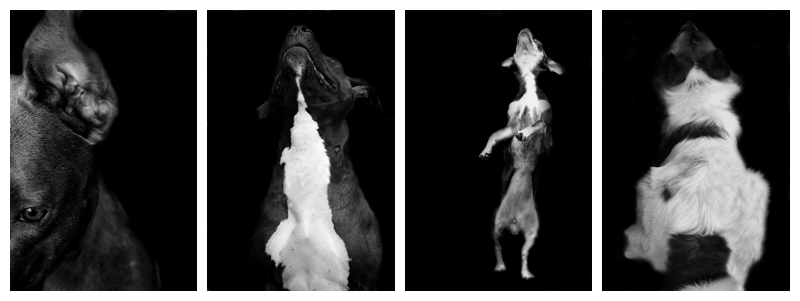
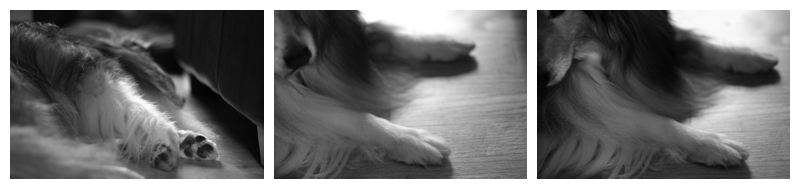
Not long ago, I had soured on the idea of undertaking another big project; it didn’t come to me anymore, it seemed. And then, one day, a very clear image came to me, and it was numinous. “It” was back. Whatever “it” was, whatever is the precious substance that infuses life, elevates it, reminds us that humans can be wondrous despite our many failings: I started thinking more and working on an idea that came to me, and my creative juices were flowing after what felt like a drought.
In his famous book, The Idea of the Holy, Rudolf Otto described the “numinous” as a “non-rational, non-sensory experience that is outside of the self.”
These experiences take an infinite number of forms.
Here are three reflections on the numinous.
“The main interest of my work is not concerned with the treatment of neurosis but rather with the approach to the numinous…the real therapy. In as much as you attain to the numinous experiences you are released from the curse of pathology.” —Carl Jung
“To see a World in a Grain of Sand
And a Heaven in a Wild Flower
Hold Infinity in the palm of your hand
And Eternity in an hour”
—William Blake
“The most beautiful thing we can experience is the mysterious. It is the source of all true art and science. He to whom this emotion is a stranger, who can no longer pause to wonder and stand rapt in awe, is as good as dead: his eyes are closed. This insight into the mystery of life, coupled though it be with fear, has also given rise to religion. To know that what is impenetrable to us really exists, manifesting itself as the highest wisdom and the most radiant beauty which our dull faculties can comprehend only in their most primitive forms — this knowledge, this feeling, is at the center of true religiousness. In this sense, and in this sense only, I belong in the ranks of devoutly religious men.” —Albert Einstein






 biscuit's space | The blog of photographer Katherine Carver